
Working in affordable housing means navigating the distance between what our communities need and what it takes to get there. Funding gaps. Competing priorities. Policies that take years to advance while the need for stable, affordable homes grows more urgent.
My decade in housing policy, tenant rights advocacy, and local government has taught me how demanding that work can be. We may share a vision of housing security while holding different ideas about how to achieve it. We must balance thoughtful, inclusive processes with urgent action when people’s homes are at stake.
Today, I direct the Partnership for the Bay’s Future Fellowship and facilitate the Affordable Housing Leadership Network at Coro California. In the Affordable Housing Leadership Network, I help housing professionals strengthen their ability to work through these tensions—and build a community that supports them along the way.

The cross-sector magic is in the cohort
Affordable housing work connects people who often experience the same challenge from very different positions. A developer may be navigating financing and construction timelines. An advocate may be organizing residents facing displacement. A policymaker may be weighing competing demands within a public agency. A service provider may see the immediate consequences when housing systems fall short. Each perspective holds knowledge that others need.
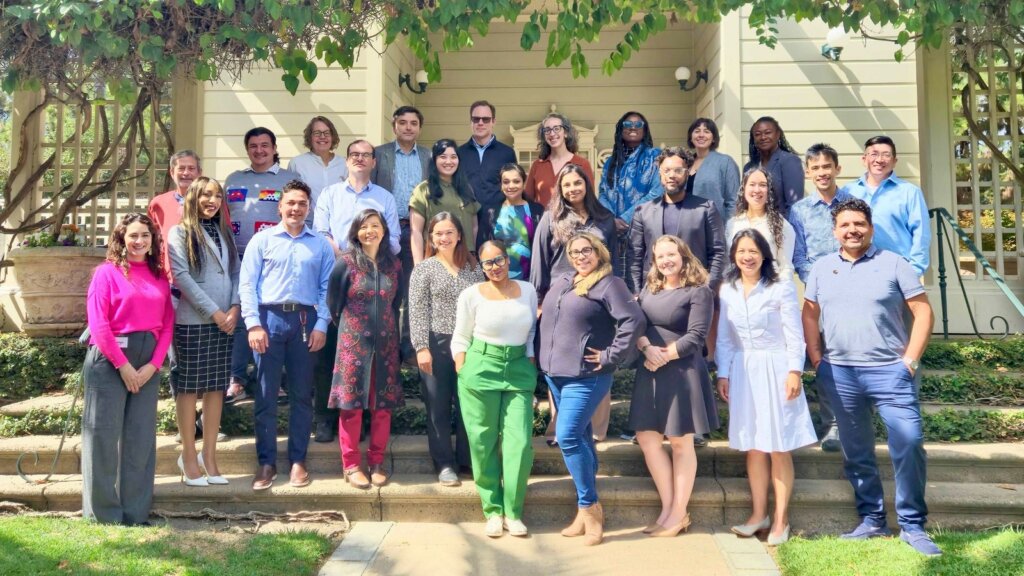
The Affordable Housing Leadership Network brings these professionals together to learn alongside one another. There are many program benefits, but the magic sauce is the cohort: the experiences people bring, the questions they ask, and the relationships they build across roles and organizations.
I saw the importance of those relationships while leading the Los Angeles Right to Counsel Coalition, which brought together legal service providers and community-based tenant rights organizations. Advancing eviction prevention and defense required sustained trust building, attention to tenant experiences, and collaboration among people with different strategies for change.
Later, as a Partnership for the Bay’s Future Fellow in Richmond, I helped advance the city’s first Public Land Policy, prioritizing affordable housing and community ownership on city-owned land. Progress depended on building trust among government staff, policymakers, nonprofit leaders, and residents.
Those experiences continue to shape how I facilitate the Affordable Housing Leadership Network. Bringing people together creates an opportunity. What we do with our differences determines what becomes possible.

Curiosity helps us move through tension
Housing professionals are often expected to have answers. We develop expertise, learn complex systems, and build the judgment needed to make consequential decisions.
That expertise becomes more useful when we can also recognize its limits.
In the Affordable Housing Leadership Network, we practice getting curious before jumping to solutions. What pressures shape someone else’s decisions? Whose experience is missing from our understanding? Where are we assuming disagreement about a goal when the difference may be about strategy, timing, or trust?
These questions matter most when the stakes are high. Thoughtful process takes time. People facing eviction or displacement may have very little time. Housing leaders must exercise judgment about when to gather more information, when to act, and how to remain accountable as conditions change.
There is no simple formula for resolving that tension. We can strengthen our ability to navigate it.
The Affordable Housing Leadership Network offers sustained practice in leadership development, including tools to strengthen self-awareness, critical thinking, collaboration, communication, and influence. Participants practice conflict transformation, adaptive problem-solving, and decision-making through exercises, reflection, and collaborative projects.
The goal is for these practices to travel with them: into a difficult partnership conversation, a stalled project, or a decision where urgency and competing priorities are pulling in different directions.
Community helps us sustain the work
The urgency of California’s housing challenges can make it difficult to pause. There is always another deadline, another obstacle, another unmet need.
Over time, that pressure can leave people feeling isolated—even when their work involves constant interaction with others. When you care deeply about the outcome, it can be difficult to acknowledge exhaustion or uncertainty.
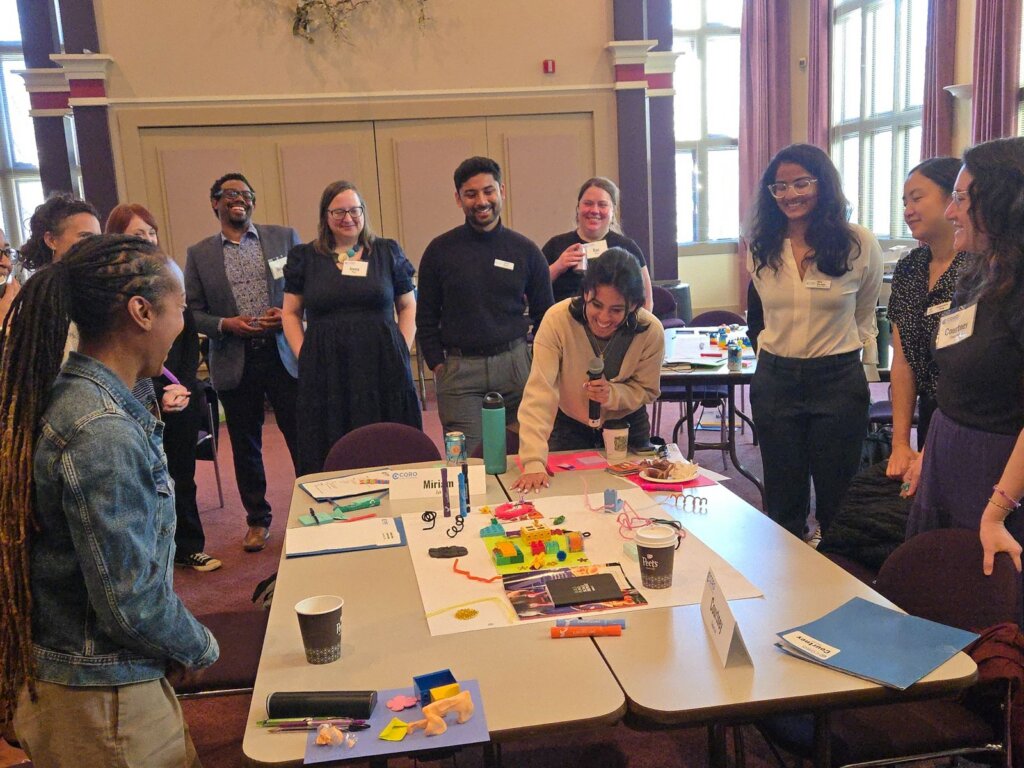
Community building is an essential part of the Affordable Housing Leadership Network. Take a look at Macy’s story. Time together, including retreats and honest conversations, creates space to share challenges, ask for help, and build trust. Participants connect with people who understand the stakes of the work and bring different perspectives on how to move it forward.
A leadership program cannot resolve the structural pressures that contribute to burnout. It can help people build relationships that make those pressures easier to navigate. Having someone to call for advice, a candid conversation, or encouragement matters. So does being able to offer that support to someone else.
Housing people need a community, too. We are part of a field filled with people working toward a more equitable future, and we need opportunities to experience that connection.
Stronger connections across the Bay Area
Our work may be rooted in a particular city, organization, or project, but housing challenges extend across those boundaries. The Affordable Housing Leadership Network helps participants connect their local experience to a broader Bay Area perspective and understand the priorities and constraints shaping others’ work.
My hope is that participants leave better equipped to navigate sticky challenges, make thoughtful decisions, and build support for housing solutions—with trusted peers they can call as new challenges arise. Strengthening housing leadership across California takes ongoing learning and relationships that help us sustain our commitment.
If you’re looking to deepen your leadership practice and connect with others advancing affordable housing, I invite you to learn more about the program. There is a community of people ready to learn alongside you.
About the Affordable Housing Leadership Network
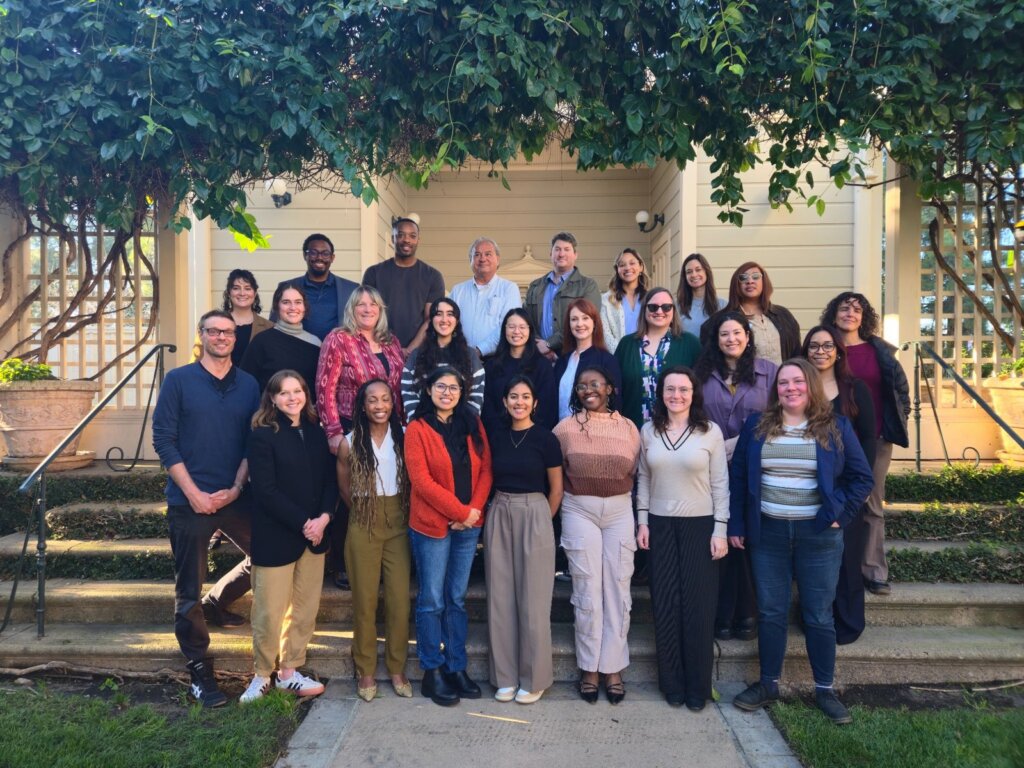
The Affordable Housing Leadership Network trains housing professionals in the Bay Area working to address the region’s housing crisis, bringing together developers, advocates, policymakers, and service providers. Participants learn practical leadership frameworks, deepen their understanding of housing systems, and join a network of peers working collaboratively to accelerate Bay Area housing solutions.
Applications for the next cohort are open now through November 15.
Apply today, nominate a housing leader in your network, or schedule a call with our team to learn more.
Learn more about Coro California’s leadership development programs.

Kaitlyn Quackenbush
Ready to strengthen your leadership impact?
Explore programs designed to equip leaders with the skills to drive change.