
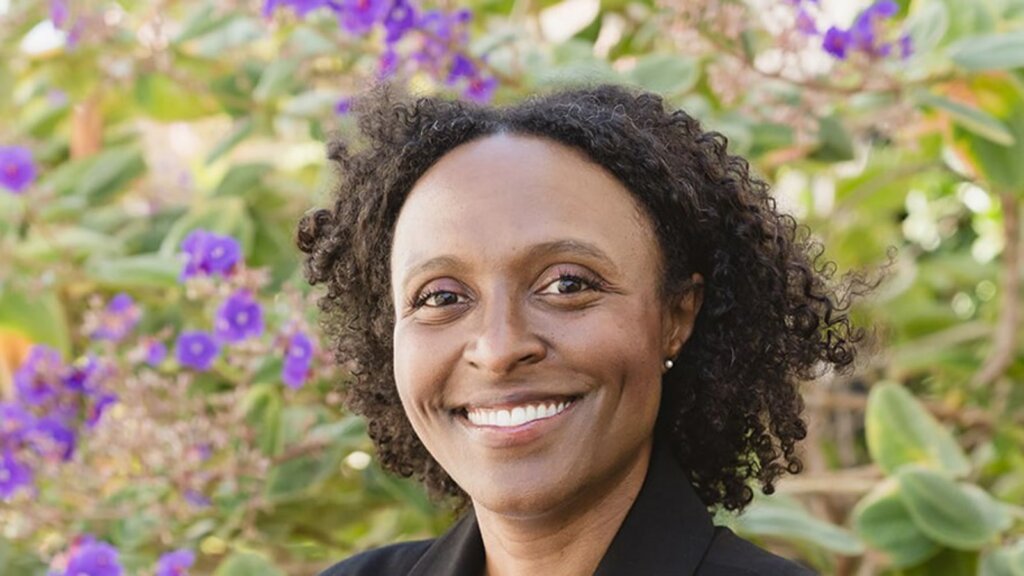
As Director of Policy and Government Relations at Chrysalis, Afton leads government relations strategy and an $8 million portfolio of public grants for an organization that has supported more than 90,000 people on their path to employment since 1984. An alumna of Coro’s Housing and Houselessness Leadership Network, she brings a valuable perspective: stable work and a stable home go hand in hand. We caught up with Afton about her path to public service, the Coro tools she still reaches for as a manager, and her vision for a California where everyone has a strong foundation to build from.
Before the housing leadership program: a pull toward public service
As Director of Policy and Government Relations at Chrysalis, you’re steering government relations strategy and overseeing grants administration for an organization that’s helped more than 90,000 people navigate barriers to employment since 1984. Where did your journey to this work begin? How did you become interested in the field?
I have always been interested in mission-driven work, and have always been in public service. My parents and grandparents all served their communities in various ways, so I think that spirit of getting involved was something I always gravitated toward. Initially, I wanted to work in international development, and that’s what I studied in undergrad. I’ve done a bit of that work, but I firmly believe you must be in the community or from the community to best serve the community, and I didn’t want to live abroad indefinitely!
What does your day-to-day look like right now, and what part of the work has you most energized?
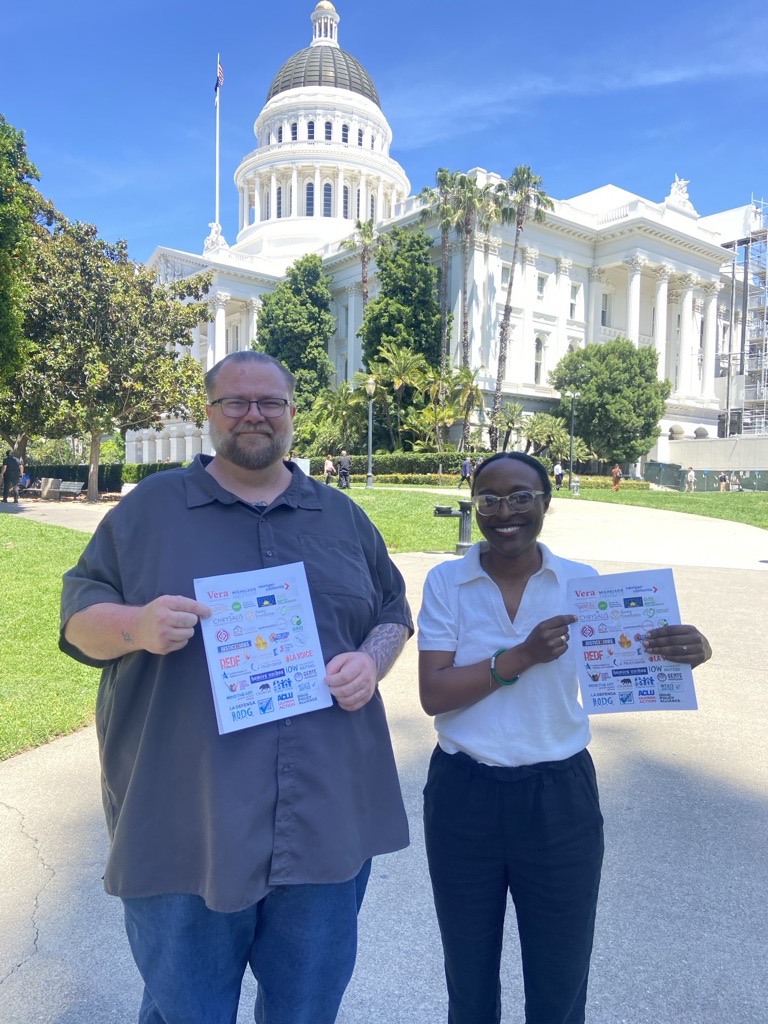
Each day, I’m working with my team to balance data collection, reporting, and compliance for our portfolio of government grants, which totals to about $8 million. I may also be writing or collecting documentation for a new grant proposal; I collaborate across departments to apply for new publicly funded grant opportunities. I also support our policy and advocacy work, so I may be writing a letter of support for a bill in Sacramento or researching how a recent policy change might affect our clients. I am always energized when we can give funding directly to clients; we have some flexible dollars for supportive services, and it’s very gratifying to use that funding to help a client pay for a security deposit on an apartment or pay for work clothing.
Jobs as housing policy: frameworks from the housing leadership program
The Housing and Houselessness Leadership Network is built around solving LA County’s houselessness crisis, but Chrysalis comes at it through a less obvious door: jobs. Unemployment and financial insecurity are consistently cited as leading causes of homelessness. How has your Coro experience shaped the way you talk about employment as a housing solution with policymakers and partners who might not immediately connect the two?
Our housing crisis is certainly an adaptive challenge that has no simple solution. My Coro experience helped me identify strategies to break down such a complex issue into smaller sets of questions and frameworks that can help shape ways forward. When talking to others about why employment is such a crucial piece of preventing and ending homelessness, I usually talk about sustainability.
Preventing homelessness is more than emergency rental support. We have to move people up the economic ladder so they can develop financial cushions needed to keep them housed when they experience a setback again. Housing alone does not move you up the ladder. You need help finding a job that pays you enough to build savings and pay down your debts.
There are a variety of policy solutions that fit together to help improve financial and housing stability: paid job training, wraparound services, subsidized housing, emergency housing assistance, credit building services, etc. As a system, we need to fund all of these solutions in order to reduce the number of people falling into homelessness and increase the number of people who are able to secure permanent housing.
Inside Coro’s housing leadership program in Los Angeles
Take us back to your cohort. Is there a specific session, exercise, or conversation with a fellow cohort member that’s stuck with you — something you still draw on in your work today?
In our cohort, we learned about interpersonal leadership styles and had a lot of fun diagnosing ourselves and our peers. We talked quite a bit about how you might use different explanations and approaches to support and nurture different kinds of leaders. I manage managers and regularly talk to my team about identifying each person’s style and how that affects how you might motivate and support them.
Who from your cohort, or the broader Coro network, has shown up for you since the program? Have you been able to be that person for someone else, especially on housing policy work?
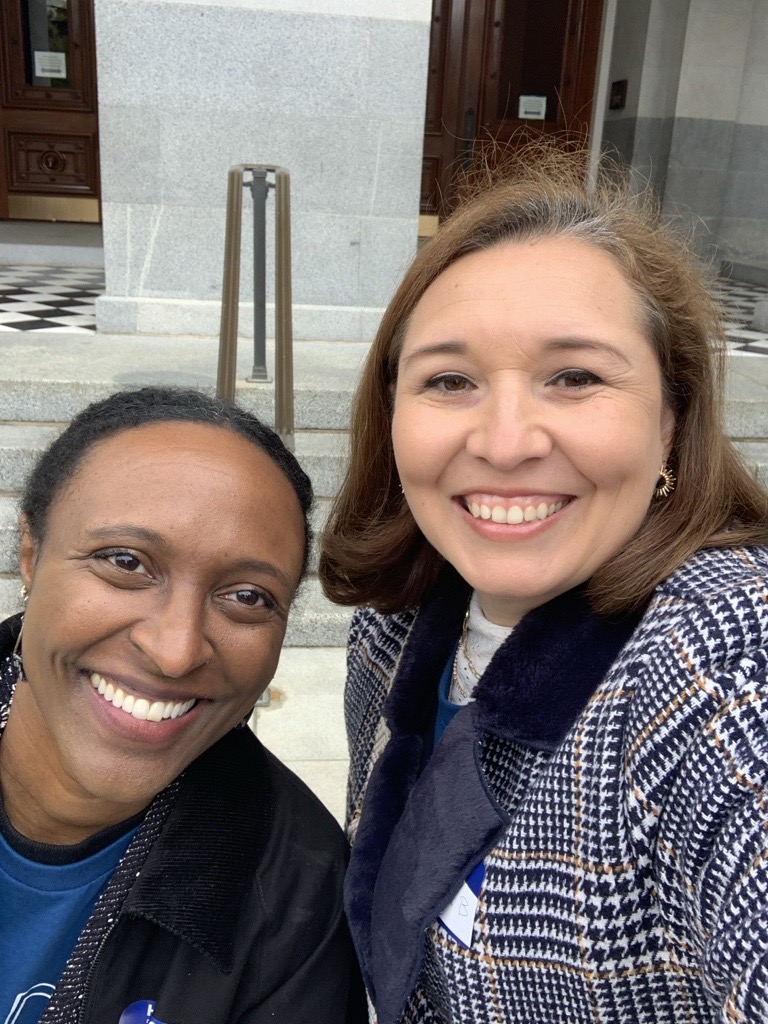
My day-to-day work is often zoomed in on the details of budgets and metrics, so I really appreciate any opportunity to hear from other folks in my cohort on what trends or shifts they are seeing in the field, and how their clients are doing amidst those changes. I just ran into someone at a conference, and got a nice download on some shifts at the County’s homelessness department and how they’re affecting her organization. It’s hard to find time to connect like that outside of run-ins at events, so thank you for the reminder to reach out to other folks!
Leading differently after the housing leadership program
You’ve moved from constituent services at Detroit City Council, to community-engaged research at Poverty Solutions, to now shaping government relations strategy at Chrysalis. Where have you noticed yourself leading differently since the Housing and Houselessness Leadership Network? What’s a moment that shows that shift in practice?
As a manager, I’ve had many moments where I’ve had to be intentional about using a tool or approach I’ve learned. I tend to use my gut in finding ways to supervise and motivate my team members, but it’s always nice to pair intuition with some advice from the experts! As a former researcher, I love a framework, so I’m not shy about looking through the Coro toolkit to help me shape my conversations.
A vision for California
What’s your vision for a Los Angeles — or a California — where employment and housing stability aren’t separate entities? What’s your vision for a stronger California when it comes to housing, and where do you see your own work at Chrysalis fitting into getting us there?
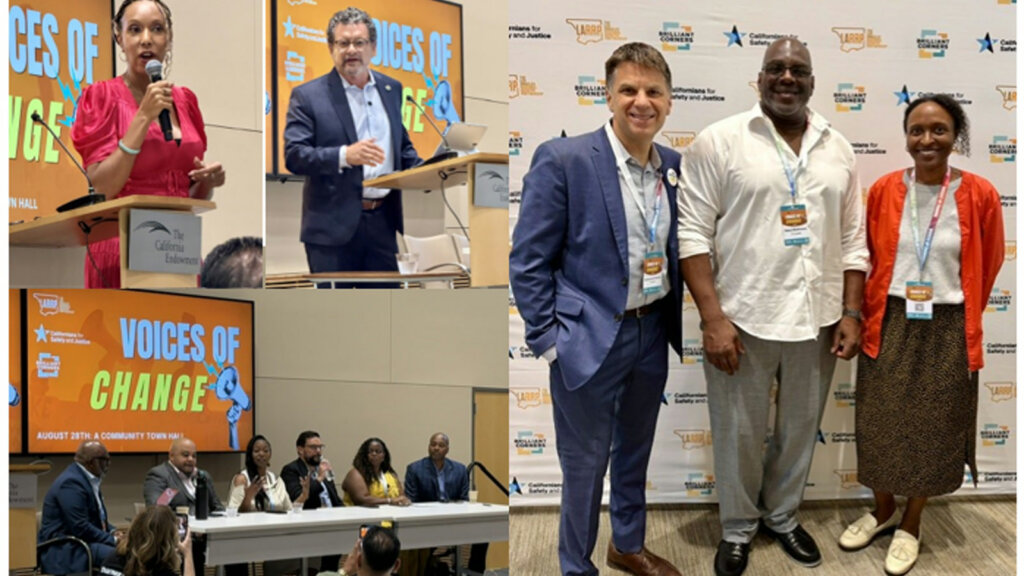
I want to live in a community where everyone has what they need to thrive. With secure housing and stable employment, people have a solid foundation to build from: they can rebuild family relationships, focus on their health, pursue training or education, and live better. Chrysalis is really good at helping individuals with many barriers find employment, but unfortunately our housing market does not align with the wages our clients earn. Our clients, many of whom are experiencing literal homelessness or staying with friends, are forced by their precarious situations to accept jobs that do not pay living wages. Eventually, our goal is to help them build skills so they can secure higher paying, career-track jobs, but the first job is often not that job.
Where can they live while they are earning $20 an hour? And if those opportunities are available, how does the average person find them? As a state, our policymakers need to invest in housing that our security guards, home health care aides, and dishwashers can afford. We need more housing for low-income people, whether that’s social housing, tiny homes, etc. I also see great promise in shared living housing operated by smaller non-profits; these options cost our clients $800-$1000 a month and can help them stabilize financially. California needs to invest in these kinds of housing options at scale, in neighborhoods across the state. Stable, affordable housing helps workers stay employed, and build the elements of financial security needed to stay housed.
About the Housing and Houselessness Leadership Network
The Housing and Houselessness Leadership Network is Coro’s housing leadership program for professionals across Los Angeles County who are working to expand housing stability in their communities. Through experiential learning, DEIB training, and human-centered design, participants build the leadership skills and cross-sector relationships to spark lasting change within their organizations and across the region.
Through the program, participants:
- Grow their leadership capacity and build a cross-sector network of peers advancing housing and houselessness solutions
- Deepen their understanding of the systems that shape housing and houselessness in Greater Los Angeles, learning alongside their cohort and leaders across the field
Applications for the next cohort close November 15, 2026.
Apply today, nominate a housing leader in your network, or schedule a call with our team to learn more.
Learn more about Coro California’s leadership development programs.

Gohar Chichian
Ready to strengthen your leadership impact?
Explore programs designed to equip leaders with the skills to drive change.