

Macy’s path to housing leadership began with a curiosity about how the built environment shapes communities. It has taken her from studying architecture to public-sector work at California’s Department of Housing and Community Development (HCD) and the launch of the new Housing Development and Finance Committee (HDFC). In this Q&A, the Affordable Housing Leadership Network alumna reflects on what she learned from the Bay Area affordable housing sector and its residents, how Coro’s leadership frameworks have strengthened her approach to complex, cross-agency work, and her perspective on improving statewide housing systems and coordination.
I have found that progress starts with listening across perspectives, building shared understanding and alignments, and asking deeper questions before moving to solutions.
From designing buildings to building communities: discovering a passion for housing
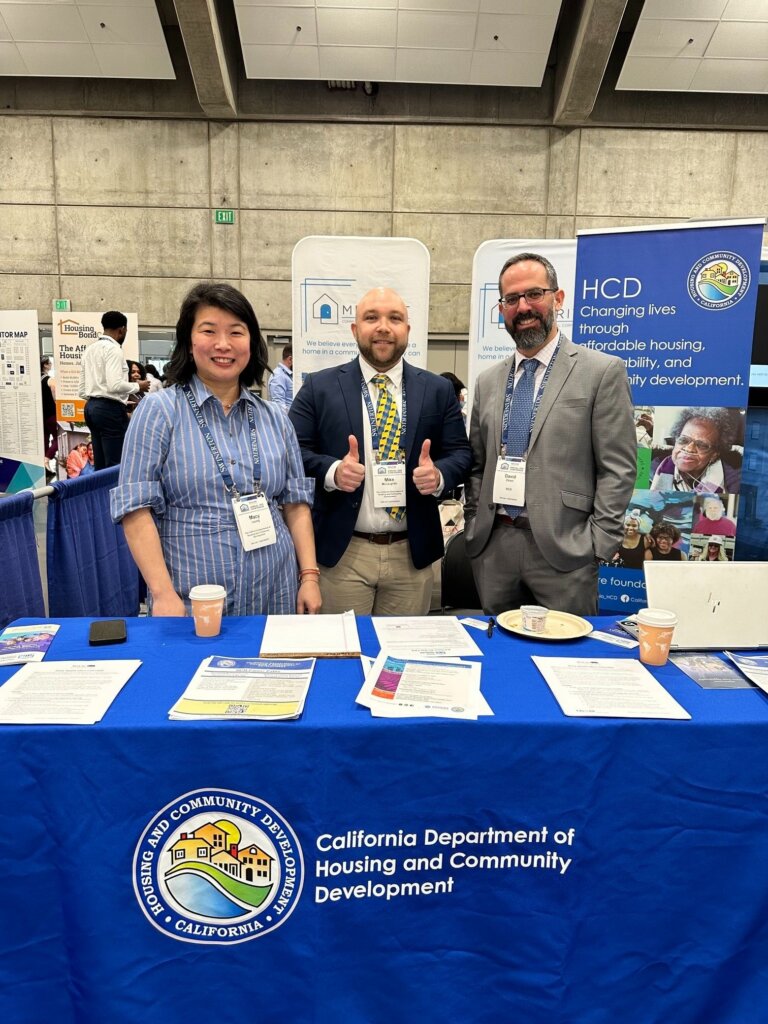
Where did your housing leadership journey begin? What got you interested in housing in the first place?
My housing journey began with a curiosity about how housing and the built environment shape communities. That curiosity, along with my interest in art and design, led me to study architecture, while economics gave me a complementary lens on the broader systems that shape places and communities.
During my advanced graduate studies at Harvard, I focused on urbanization and housing, with an emphasis on real estate finance and development. I explored beyond architectural design to examine the broader forces shaping housing – including land use, micro- and macroeconomic factors, policy, planning, and investment, and how they influence where housing gets built, how it is financed and developed, who can access it, and why.
That perspective became more meaningful when I joined a nonprofit affordable housing development firm in the Bay Area. I saw the people behind the numbers and learned firsthand what it takes to move a housing project from conception and financing, through construction and completion. I also saw the tangible impact that stable, affordable homes can have on residents and communities. The experience shifted my focus from simply asking what we design and how we build housing to asking why it matters and who it matters to; and, reinforced for me the importance of partnerships and collaboration across the public and private sectors and with the residents we serve.
Today, I work at the intersection of housing development, policy, and finance, focused on building a more efficient multifamily affordable housing financing system from the ground up to advance California’s housing priorities, and support the creation and preservation of more stable, affordable homes across all communities.
You’re two months into your role as Senior Housing Development Finance Specialist with the newly formed California Housing and Homelessness Agency, helping stand up the Housing Development and Finance Committee. In plain terms, what problem is HDFC trying to solve for the state’s affordable housing system, and what part of building it has you most energized right now?
California’s affordable housing finance system can be complex and fragmented. Multiple funding programs, each with their own requirements, application processes, and timelines, can create uncertainty, increase administrative burden, and add delays to the housing development process. The new committee was established to help address these challenges by creating a simpler, faster, and more transparent financing system – aligning multiple funding programs, coordinating applications and processes, reducing duplication, and deploying public funding more efficiently.
I initially joined HCD to broaden my impact beyond individual housing development projects and engage more directly in shaping statewide housing policy and systems. I also served on the transition team to help launch HDFC, which gave me an opportunity to help translate a broader vision for housing finance into a new organizational structure and way of working. Having worked within public funding systems as an affordable housing developer, and later helped shape housing policy goals at the state level, I am able to bring both a broader policy perspective and one grounded in firsthand experience building and preserving affordable homes. I understand the importance of strong policy goals, but also the practical realities of implementation – what it takes to navigate financing, align partners, manage constraints, and ultimately deliver housing on the ground.
What energizes me most is the opportunity to rethink a complex, systemic challenge and help build something that can work better for both communities and the people responsible for delivering housing. The work requires bringing diverse perspectives together, understanding how different programs and priorities intersect, and creating greater alignment among funding programs in support of statewide housing goals. This means building a financing system that is more efficient, helping communities create and preserve more affordable homes.
Inside Coro’s affordable housing leadership program in the Bay Area
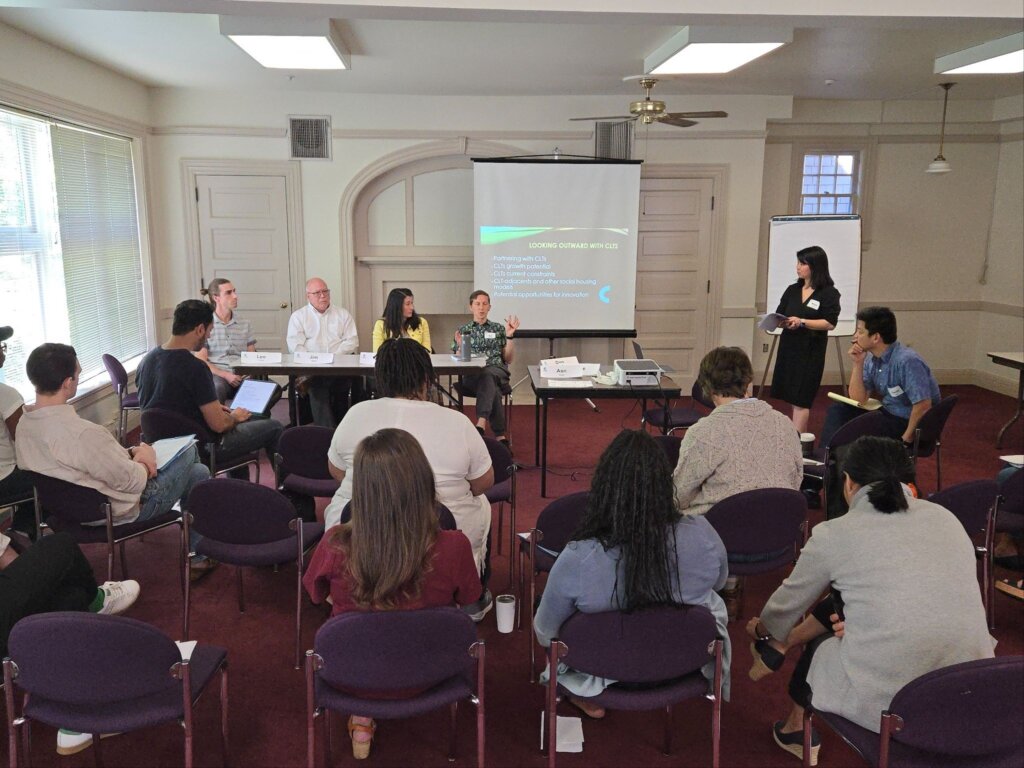
The Affordable Housing Leadership Network is rooted in Bay Area housing challenges, but your work now operates at a statewide level, aligning funding across the State.
How does what you learned about the Bay Area during the Affordable Housing Leadership Network show up in how you think about a statewide financing system? What learnings are you drawing from when you zoom out from the regional to the state level?
Housing conditions and needs are statewide, but they are also deeply local. As a developer in the Bay Area, I saw how land and construction costs, market conditions, local policies, and the priorities and needs of residents shape the housing development process. These conditions can also vary from one neighborhood to the next.
The program’s “dance floor” and “balcony” concepts have enhanced how I approach my housing work. I often step back to look at the broader frameworks and systems from the “balcony” – understanding how policies, funding programs, agencies, and other factors interact – while refining objectives, identifying barriers, and looking for opportunities for greater alignment. At the same time, my housing development experience keeps me grounded in the “dance floor,” where I connect broader policy goals to the realities of implementation, and bring a deeper understanding of how policies and programs operate in practice, and the impact on our communities, partners, and the residents we serve.
The question I ask is: How can we build a more coordinated and effective financing system that supports the production and preservation of affordable housing while enabling public resources to reach communities more efficiently and responsive to their needs?
For me, this means thinking in broader systems while staying grounded in implementation, and remaining accountable to the people and communities we serve.
Cross-sector collaboration after the affordable housing leadership program
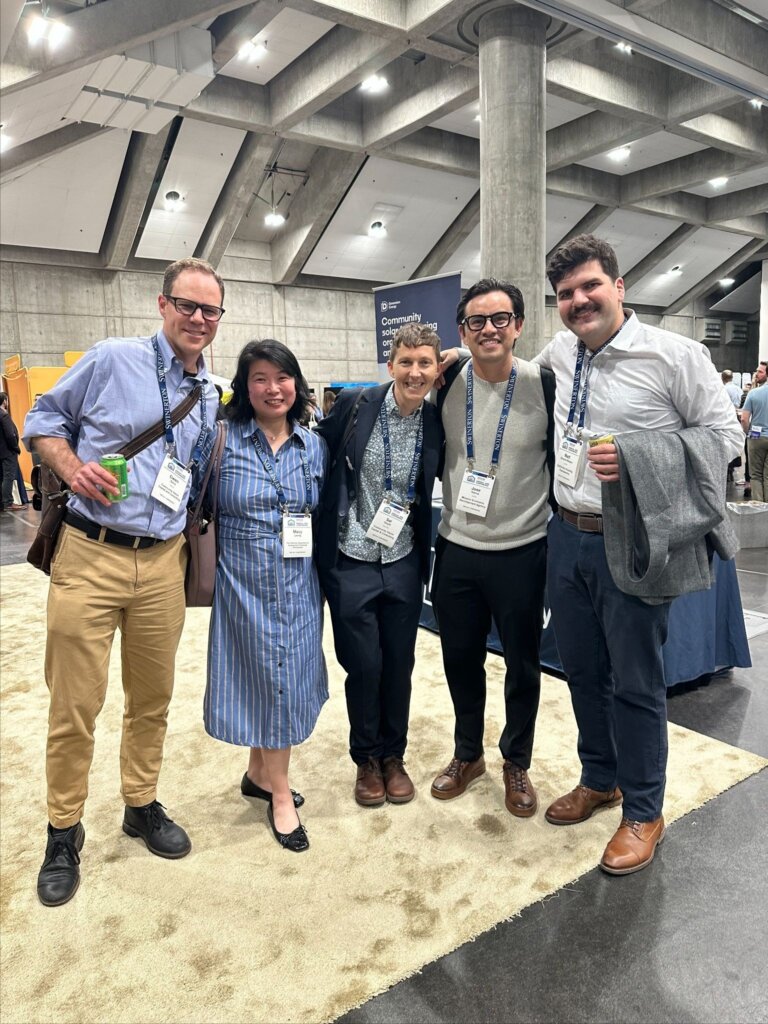
Who from your cohort — or the broader Coro network — has shown up for you since the program ended? Or has there been a chance for you to be that person for someone else, especially around housing or community-centered work?
Many colleagues from my Coro cohort have become trusted collaborators, connected by a shared commitment to expanding access to affordable housing and strengthening our communities. I regularly engage with colleagues across sectors and agencies to learn from their diverse experiences, exchange perspectives, and have thoughtful conversations about the challenges and opportunities facing housing and community development.
I have also worked to strengthen connections across cohorts by organizing our annual winter gathering and convening alumni at conferences for thoughtful and engaging conversations on housing and community development. These gatherings create space for alumni to reconnect, share what they are learning in their respective fields, and build relationships that can lead to continued dialogue and collaboration. I value creating opportunities for people who may not otherwise cross paths to learn from one another and better understand the different roles we each play across the housing ecosystem.
What I value most about the Affordable Housing Leadership Network is the mission, trust, and relationships that extend well beyond the program itself. The cohorts have become a close-knit network of mission-driven leaders with diverse expertise, experiences, and perspectives. I hope to continue building on that foundation by creating opportunities for future cohorts and alumni to stay connected, learn from one another, and strengthen the cohort connections.
Applying Coro’s frameworks to statewide housing work
How has Coro changed the way you lead, and where have you seen that show up in your work? Think about a shift in how you approach challenges, navigate across sectors, or move things forward. What does that look like in practice, and what outcomes have resulted from it?
Coro reshaped how I think about leadership and what it means to be a leader. I have found that meaningful progress starts with listening across perspectives, building shared understanding and alignment, and asking deeper questions before moving to solutions. Leadership is not always about having the answer or being in a position of authority; it is often about creating the conditions for others to contribute, uplifting one another, identifying what is needed to move forward, and helping people find a path toward a shared objective.
I have applied this approach most directly in my housing policy work, where progress and synthesis often depend on navigating across teams, agencies, and sectors with different priorities, perspectives, and responsibilities. I work to bring multiple agencies, departments, and teams together around shared priorities and goals, while recognizing the different roles each brings to the work. Rather than moving immediately to analysis or solutions, I focus first on understanding different perspectives, aligning goals, surfacing underlying challenges, and finding common ground. This often helps uncover opportunities for collaboration. The result is stronger alignment around a shared vision and a more collaborative process for advancing complex work.
These practices have made me more intentional in how I approach complex housing finance and policy needs. I intentionally listen closely, ask questions, step back to see the broader system, and then return to the details of implementation with a clearer understanding of what is needed to move the work forward. Most importantly, Coro has reinforced my belief that effective leadership is relational and collaborative – building trust, creating space for different perspectives, and helping people work together toward meaningful outcomes.
A vision for California’s housing system
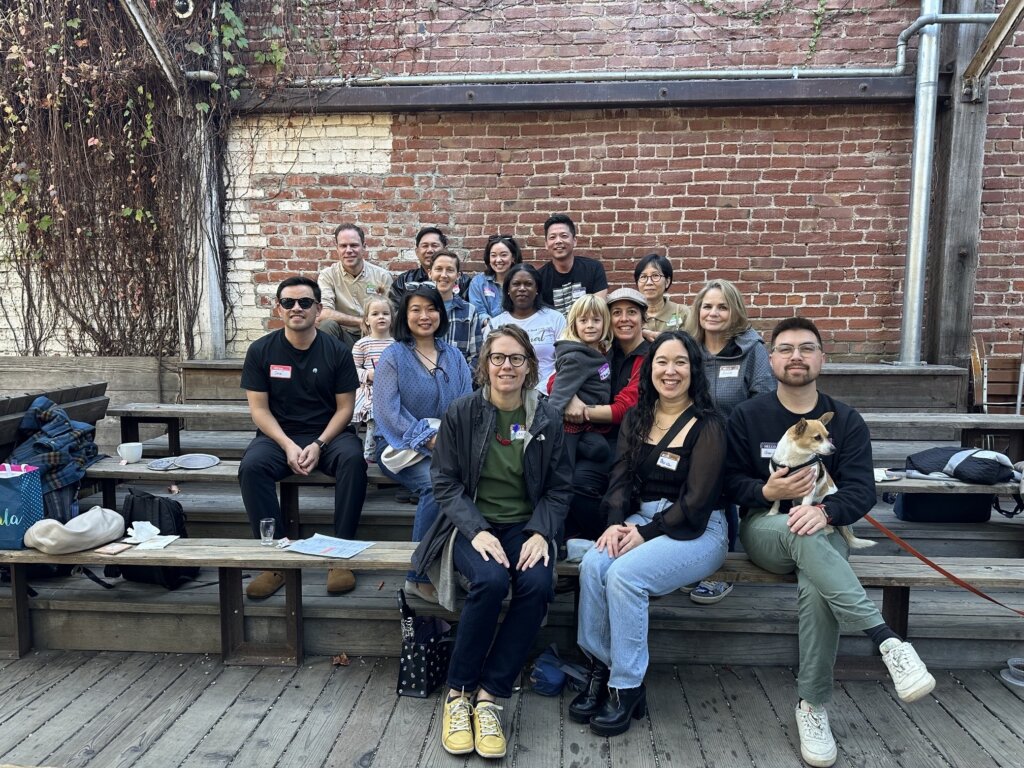
You’ve spent the last few years working on the state’s most complex housing finance and policy questions. What’s your vision for a stronger California when it comes to housing, and where do you see your own work fitting into that bigger picture?
I envision a stronger California where everyone has access to a safe, quality, affordable home, and where we can respond to the different needs of communities across the state.
Having worked across the housing continuum, my role has increasingly been about bridging policy and implementation: aligning with broader priorities, sharing knowledge while simultaneously learning from others, identifying potential challenges and opportunities for early mitigation, and bringing diverse perspectives together to develop practical solutions that advance statewide housing goals. I have seen how important it is to connect policy decisions to the realities of implementation, while ensuring that the people and communities affected by those decisions have a meaningful voice in shaping the work.
I see my work as part of a larger effort to strengthen public financing systems so we can more efficiently increase affordable housing production, preserve more homes, and be more responsive to communities’ needs. We can use public resources more strategically and effectively to create and preserve more homes, better serve communities, and support people across California.
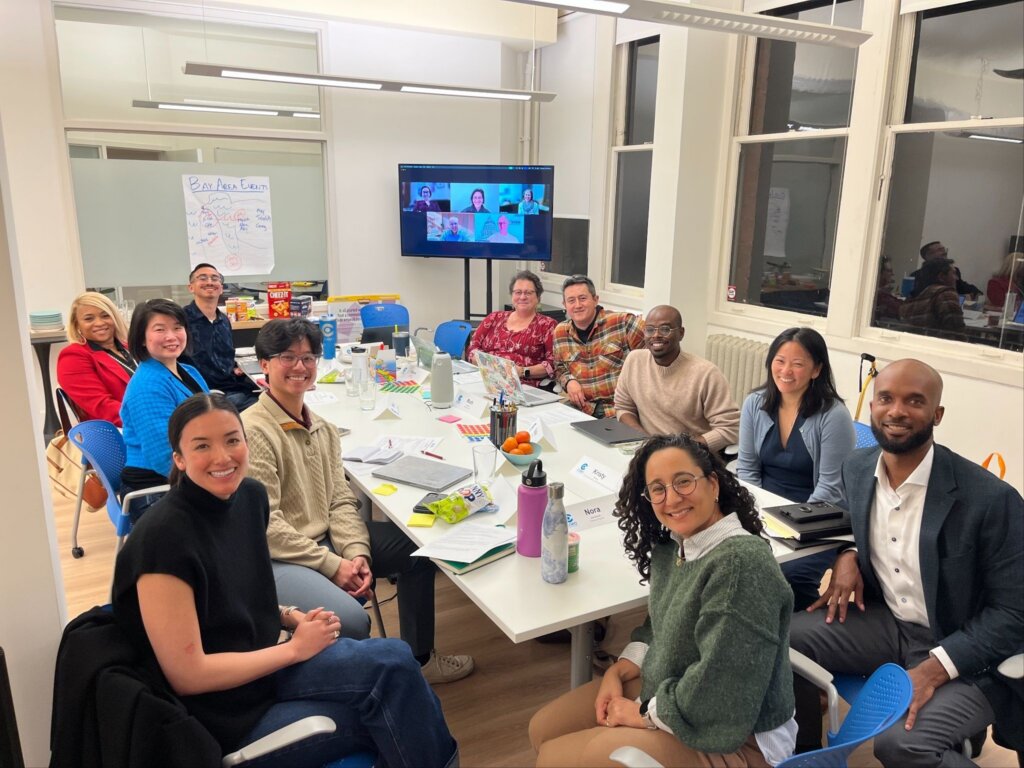
To me, Coro is about creating the conditions for people to listen, contribute, uplift one another, and lead toward shared goals that support our communities.
Finally, you’ve been involved in Coro in a number of ways: as a participant, alumni organizer, and on the Northern California Alumni Council, to name a few. As a member of the Alumni Council, what is your vision for the Council? What do you want to achieve with other Coro alumni?
My vision for the Alumni Council is to build on Coro’s greatest strength: its people – alumni who bring different experiences, perspectives, and expertise, united by a shared commitment to strengthening our communities. To me, Coro is about creating the conditions for people to listen, uplift one another, and lead toward shared goals that support our communities.
Having experienced Coro as a participant, alumni organizer, and now Council member, I have seen the value of creating meaningful opportunities for alumni to stay engaged well beyond the program. I see the Council as a platform that keeps alumni connected while creating spaces to learn from one another, exchange perspectives, and strengthen relationships across sectors and cohorts. Whether through gatherings, conversations, mentorship, or opportunities to collaborate, I believe the Council can help make those connections more intentional and accessible across the alumni network.
I also see an opportunity to strengthen the connections between Affordable Housing Leadership Network cohorts and create a greater sense of community within the broader Coro community. Alumni are doing important work across sectors, and bringing those perspectives together can create new opportunities for learning, collaboration, and mutual support.
Overall, I would love to see a connected, engaged, and inclusive Coro alumni community where people continue to learn from and support one another long after their cohort ends. In turn, we can expand our collective capacity to make a greater impact and meaningfully contribute to and serve our communities.
About the Affordable Housing Leadership Network in the Bay Area
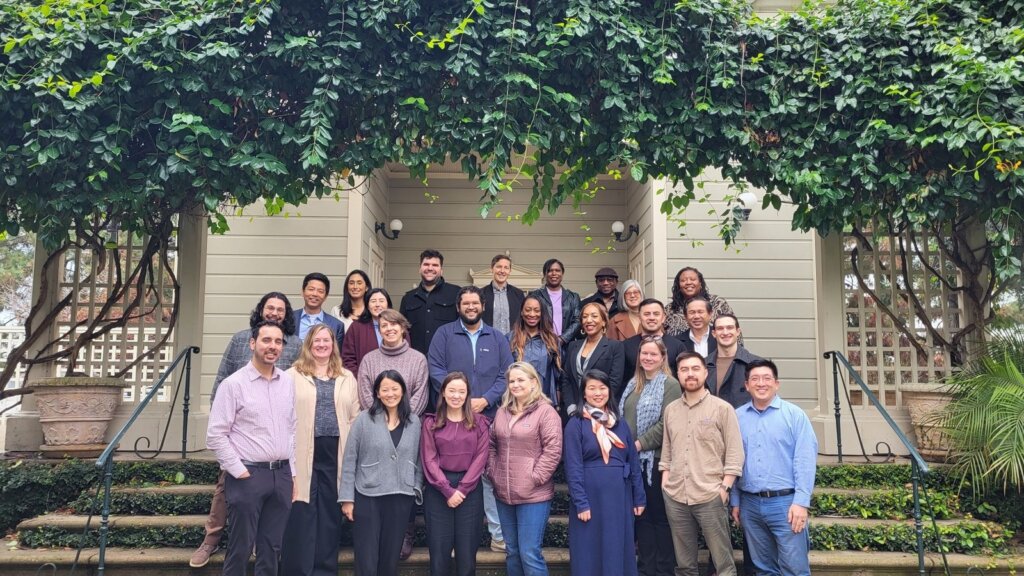
The Affordable Housing Leadership Network is Coro California’s affordable housing leadership program for professionals working to solve the Bay Area’s housing crisis. Over ten full-day sessions and two multi-day retreats, participants — developers, advocates, policymakers, and service providers — build skills across Coro’s six core leadership practices while tackling real housing challenges through collaborative group projects and structured interviews with regional decision-makers.
Applications for the next cohort are open now through November 15.
Apply today, nominate a housing leader in your network, or schedule a call with our team to learn more.
Learn more about Coro California’s leadership development programs.

Gohar Chichian
Ready to strengthen your leadership impact?
Explore programs designed to equip leaders with the skills to drive change.