
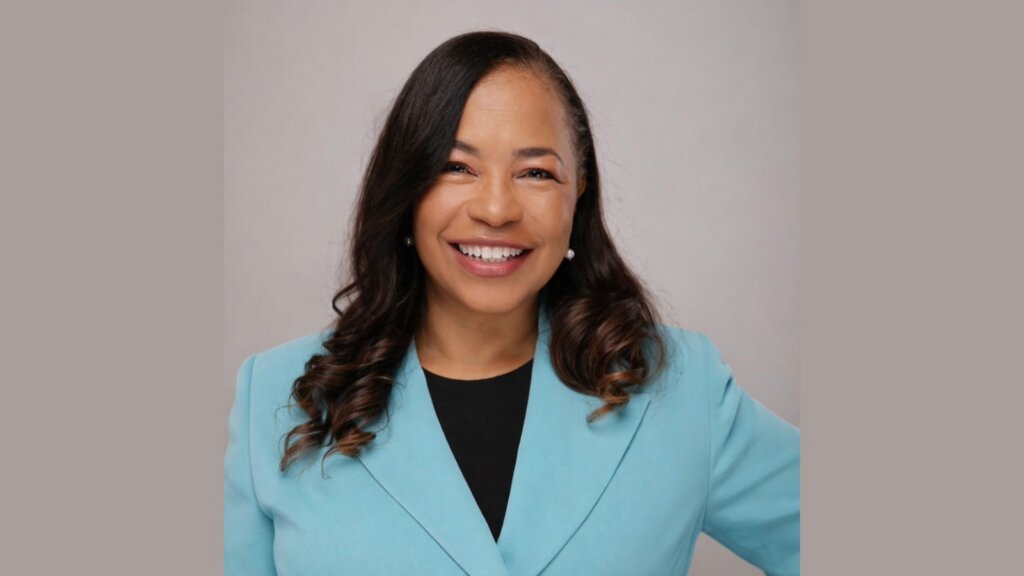
Caroline had been leading at the vice president level for more than two decades when she decided it was time to sharpen her own skills. As a Senior Vice President at Bank of America, she guides middle-market companies across Los Angeles through global trade and supply chain finance, and in 2025 she joined Coro California’s Executive Leadership Network to learn alongside senior leaders from government, nonprofits, and business. A year after her cohort wrapped, Caroline reflects on the moments that changed how she leads, the peers who still serve as her sounding board, and why she keeps encouraging other leaders to take the leap.
From global trade to an executive leadership program in California
Tell us about your role as Senior Vice President at Bank of America. What does leading in global trade and supply chain finance look like right now?
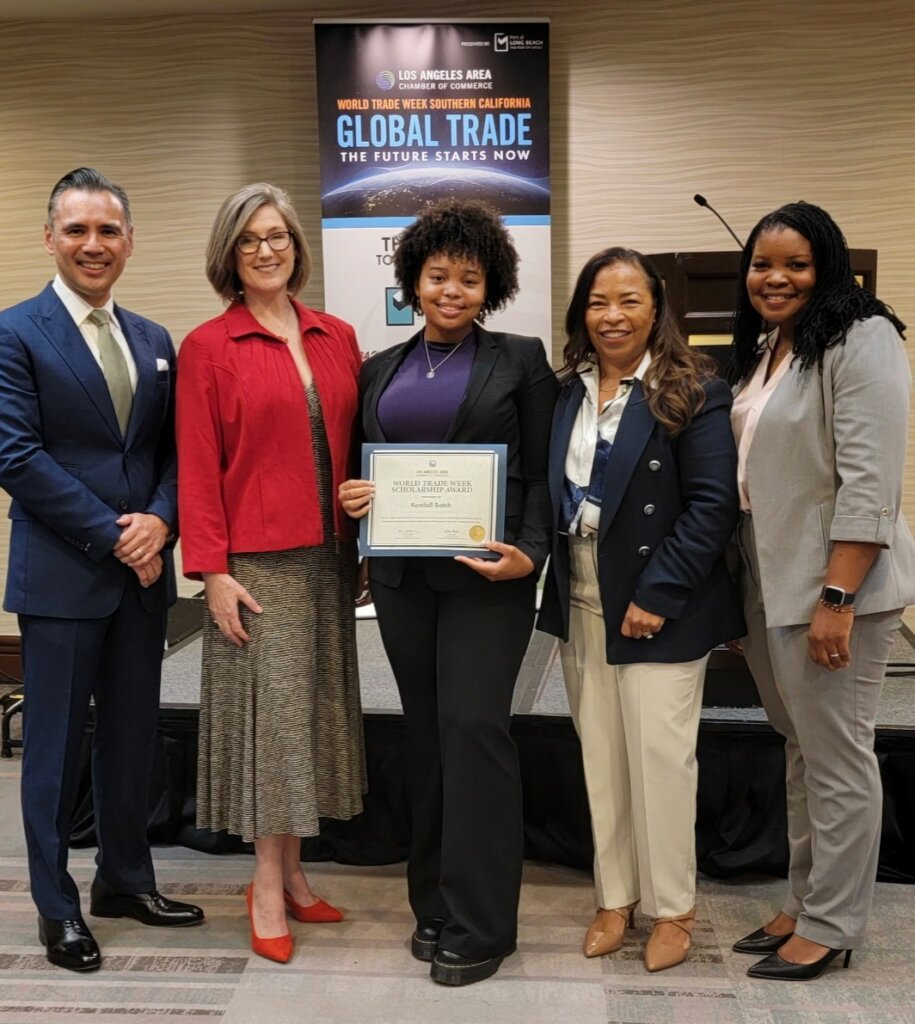
There’s a lot happening on a global basis. Conflicts overseas, tariffs, oil and fuel prices all affect the cost of the goods coming in and going out, and that reaches into our daily lives. I work with middle-market businesses in the Los Angeles area, companies with revenue between $50 million and $2 billion. Many of them source or sell internationally, so it’s important to understand what’s happening in the world and what it means for them.
Every industry feels it differently. Transportation has swung from too few trucks during the pandemic to too many afterward. Companies looked at electrifying their fleets, then ran into infrastructure questions: where to charge, what it costs, who pays for the downtime. Now many truckers are deciding whether to keep an older truck running or invest in a new one while rates are high. With tariffs and freight costs shifting, companies have to plan carefully so the price they quote still holds up after the deal is done.
With that much complexity, what energizes you about the work?
It’s consultative. You meet companies where they are, get to know them, and find out what their challenges are. Maybe it’s managing cash so they have enough on hand when they need it, or consolidating funds from offices overseas. Recently, I’ve been working with companies on financial life benefits for their employees: lowering banking fees and sharing guidance on buying a home, paying for college, and planning for retirement. We even joined one company’s employee job fair. I love reaching past the business to support its people.
You’d been leading at the VP level for more than two decades when you joined the Executive Leadership Network. Why invest in your own development at that point?
I’d been out of school for a number of years and wanted to enhance my skills, and Coro’s adaptive leadership approach really interested me. What I got went beyond the curriculum: an interactive environment with executives from so many industries, public and private, and a firsthand look at how leadership skills work at different levels.
Organizations are much flatter than when I started my career. There used to be many tiers of management; now there are lots of teams and not a lot of leaders. You might work with colleagues overseas, across time zones, mostly over email, which isn’t the easiest way to build rapport. At Coro, I watched nonprofit leaders adapt to rapid change, much like the companies I work with adapting to tariffs and rising costs. People from very different backgrounds were facing very similar challenges, and we learned tools that adapt to any environment.
Inside the executive leadership program
It’s been about a year since your cohort wrapped. Is there a moment from the program that stayed with you?
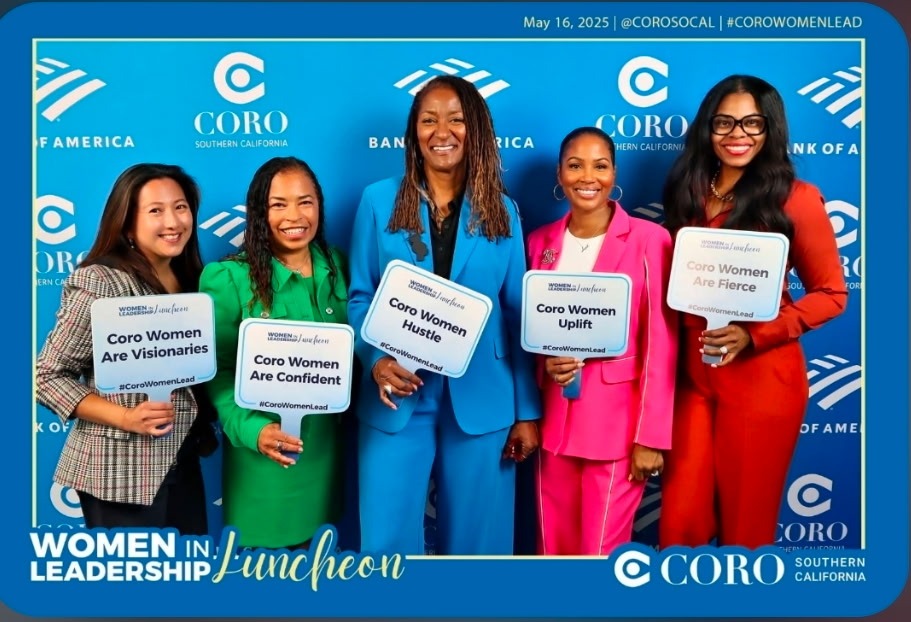
The sessions where we identified our leadership styles. We collaborated with people who think like us, then got matched with people who don’t, and saw how differently each of us processes things. That was so helpful, because at work I’m constantly bringing people with different drivers toward one objective. I’m in sales and marketing, so I’m focused on getting a deal approved, funded, and done. The client is focused on cost and speed. Our credit partners are focused on risk.
Coro taught me to sort out what’s real from what isn’t, not get hung up on the emotion behind it, and stay on objective. You set key goals, cut out the background noise, and help everyone move in the same direction.
The Executive Leadership Network is designed to break down the isolation executives often feel. Tell us about a time someone in your cohort showed up for you, or you showed up for them.
One big shift for me was realizing that it’s not always personal. People have objectives they’re trying to meet. Some leaders in our cohort were carrying very heavy things, whether stepping away from a difficult environment or trying to drive change where not everyone wanted it. We talked about sustaining core work when budgets are cut and working with people set in their ways.
Many times, I went up to someone after a session and said, “It felt like you were talking to me. I’ve been there,” and they would share ideas on how to handle it. Those conversations happened over dinners and in one-on-ones, and they still happen. Whenever there’s a Coro event, the first question is, “Who’s going to be there?” We’re still each other’s sounding board.
Executive leadership program lessons in action, from clients to community
How has your growth through the program changed outcomes around you, with your team, clients, or community?
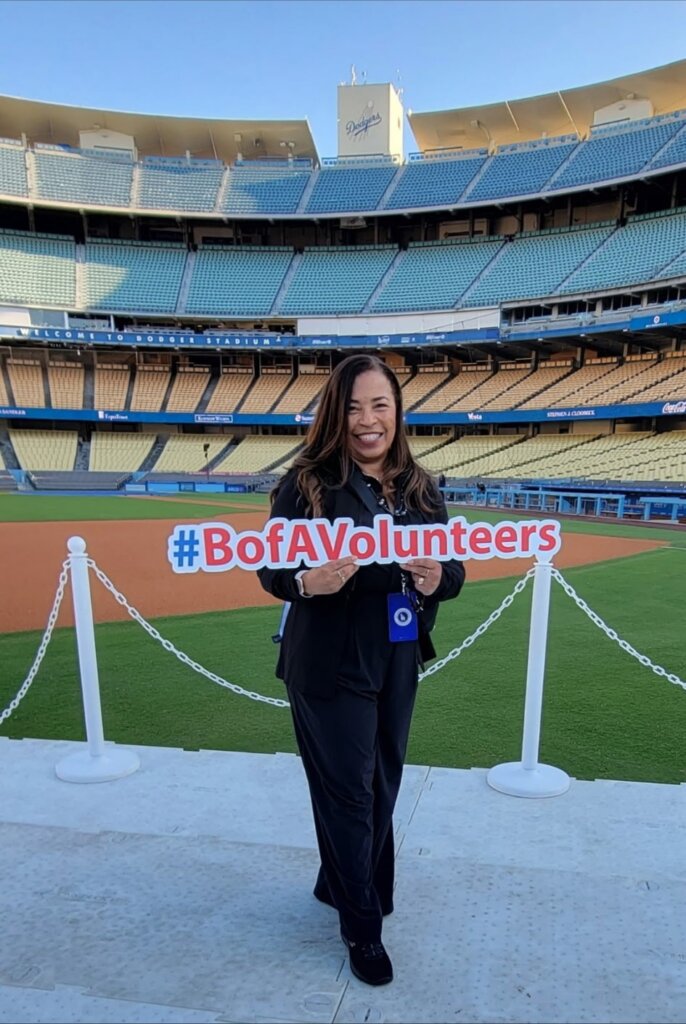
I learned to be more objective, and to focus on transferable skills. What I do doesn’t only work in banking. Through Better Money Habits, a collaboration between Bank of America and Khan Academy, we go into the community and teach financial literacy for free, covering topics like budgeting and homeownership.
I love taking concepts from commercial finance, which can sound complicated, and bringing them down to a personal level. When I meet with individuals, I ask: Do you have a financial advisor? A trust? Are you investing in your 401(k)? Many young people take on student loans and credit cards without guidance, and that debt can make homeownership harder. Through my community service work, I get to make those big ideas accessible to the people who need them.
What’s your vision for a stronger California, and what role do you see yourself playing?
I’m big on community service and working with nonprofits, and I think entrepreneurship is going to be huge. With AI reshaping the economy, I think about the bridge between entry-level roles and advancement. I started learning about banking in high school and worked part time through school. I want to make sure those learning grounds still exist.
So many new businesses are started by women and women of color. Sometimes they get venture capital, sometimes they don’t. Helping those founders access resources, and supporting the nonprofits that offer them, is what I’m most passionate about.

Is an executive leadership program in California right for you?
What would you say to a senior leader wondering whether they have the time, or whether they still need a program like this?
Some people asked why I was doing it. For me, it was a chance to sharpen my skills, revisit things I hadn’t practiced in a long time, and honestly reassess my strengths and where I could grow. There was never a moment I was bored, and never a moment I thought, “I already know this.” There were so many “wow” moments.
I can’t stress enough how much the people shape the experience. Attendance matters, because if you’re not in the room, your point of view is missed. People traveled long distances to be there, and it was worth it. The program helped me work with senior management and with colleagues I partner with on teams every day. My one wish was more time to revisit the material afterward, because at different stages of your career, it’s worth going back to.
You nominated your colleague to the following cohort. What inspired that recommendation?
I’ve referred a lot of people. In flat organizations, there are so many amazing leaders who want to sharpen their skills but struggle to find opportunities to lead. They lead in other ways: on nonprofit boards, in community service, or through employee network groups.
I think of the Black Women: Ready to Lead study from the Center for Talent Innovation. It found that many Black women have the education, desire, and skills to lead but aren’t given the opportunities. The missing piece was sponsorship: people willing to advocate for them when they aren’t in the room. Coro is a great way to sharpen someone’s sword.
When I suggested the Executive Leadership Network, my colleague said, “That’s not for me.” I told her, “It is for you.” I felt the same way when I applied. Executive leadership seemed out of reach, and I wasn’t sure I’d qualify. The encouragement from the Coro team made a real difference. Sometimes people just need a little extra push.
About the Executive Leadership Network
Coro California’s Executive Leadership Network addresses the unique challenges and isolation executives face while leading complex organizations. Offered in Greater Los Angeles and the San Francisco Bay Area, this part-time program brings senior leaders across sectors together for more than 50 hours of immersive development across eight sessions..
Participants strengthen their capacity to navigate organizational change through leadership forums, a 360-assessment with personalized executive coaching, peer consultancy on real-world challenges, and leadership networking dinners with cohort colleagues and regional leaders. Graduates join a network of 15,000+ Coro alumni leading across business, government, and nonprofits.
Applications for the next cohort are open. Apply by the early decision deadline, November 15, 2026, for a $750 discount and priority consideration for scholarships and cohort selection. The regular decision deadline is February 2, 2027.
Schedule a call to learn more

Gohar Chichian
Ready to strengthen your leadership impact?
Explore programs designed to equip leaders with the skills to drive change.