
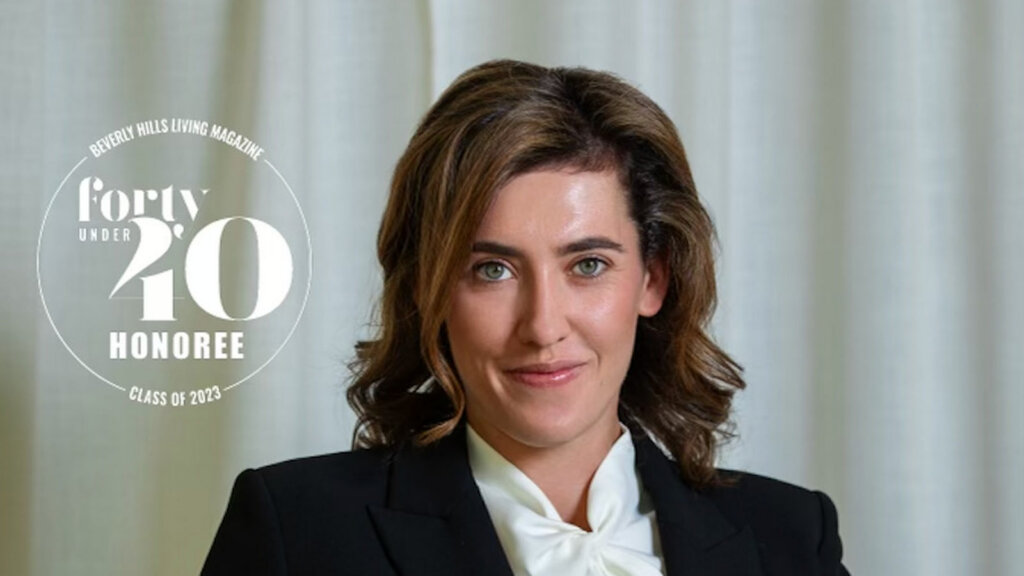
For this alumni spotlight, we sat down with Sorelle Cohen, Senior Director of Development, Marketing, and Communications at The Pad Project, and graduate of Coro’s Women in Leadership program. We talked about the lessons that have stayed with her long after the program ended, how it reshaped the way she leads and solves problems, and why she’s come to see leadership less as individual action and more as the work of facilitating collective progress.
Some of the most valuable learning doesn’t just come from the curriculum—it comes from the people around you.
Tell us about your role at The Pad Project and the work you’re most energized by right now. For readers who don’t know the organization, how would you describe what menstrual equity makes possible for the women and girls you serve?
The Pad Project’s mission is to expand access to menstrual health products, combat period stigma, and champion menstrual equity for all. We believe no one should have to miss school, work, or opportunities simply because they have their period.
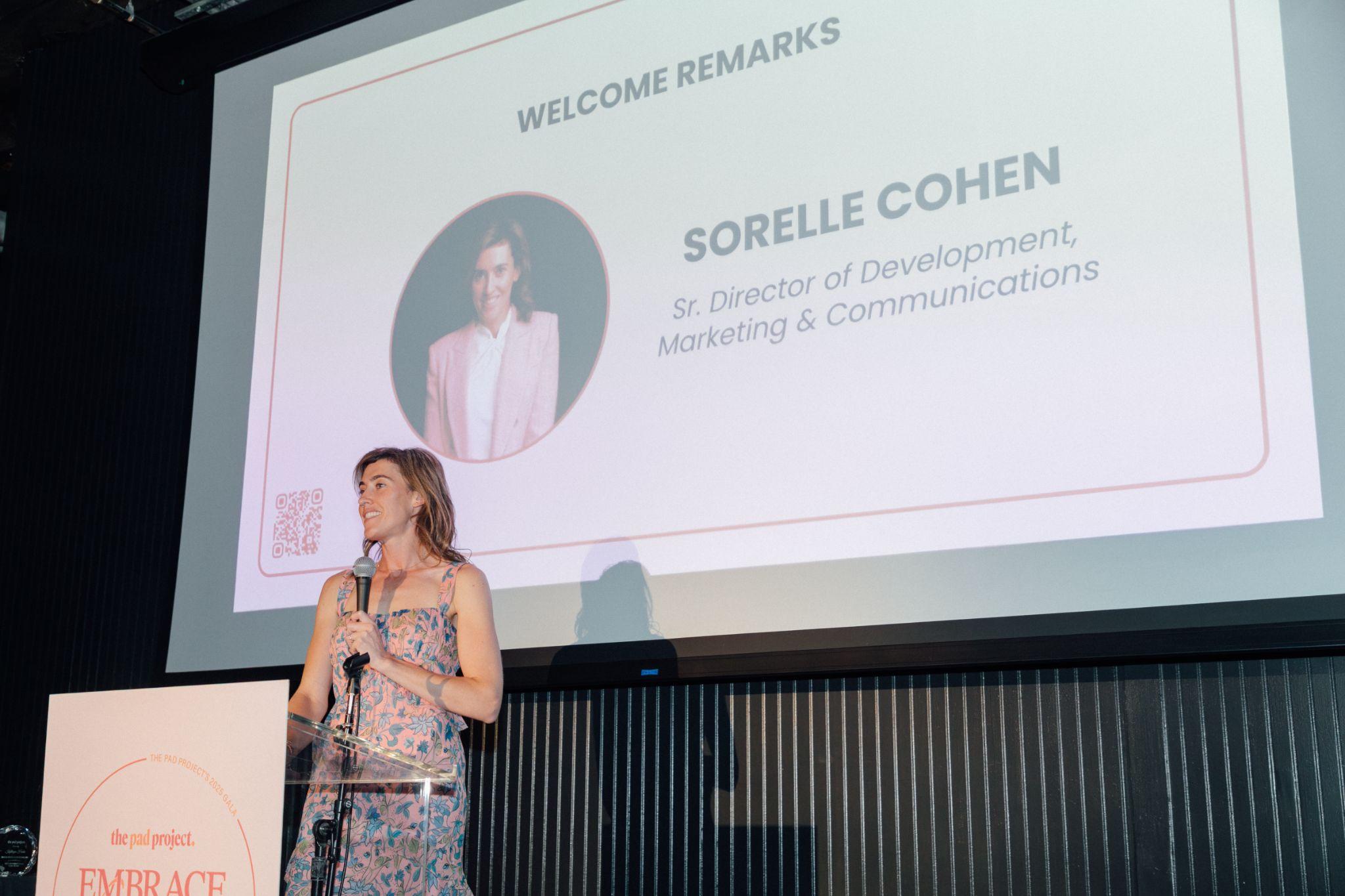
As the Senior Director of Development, Marketing, and Communications at The Pad Project, I have the privilege of leading our fundraising, donor engagement, marketing, and communications efforts to ensure we have the resources and visibility needed to advance menstrual equity around the world. My role is about connecting supporters to impact—helping people understand that menstrual health is not just a women’s issue, but a human rights issue that affects education, health, and economic opportunity.
What excites me most right now is seeing the tangible impact of our work through our recently released 2026 Six-Month Impact Report. Every day, I get to see how access to a basic necessity can change lives. In just the first half of this year, The Pad Project distributed hundreds of thousands of menstrual products, expanded programming across the United States and internationally, and reached thousands of women and girls with menstrual health education. In May 2026, The Pad Project reached a major milestone of 5 million products distributed across the globe.
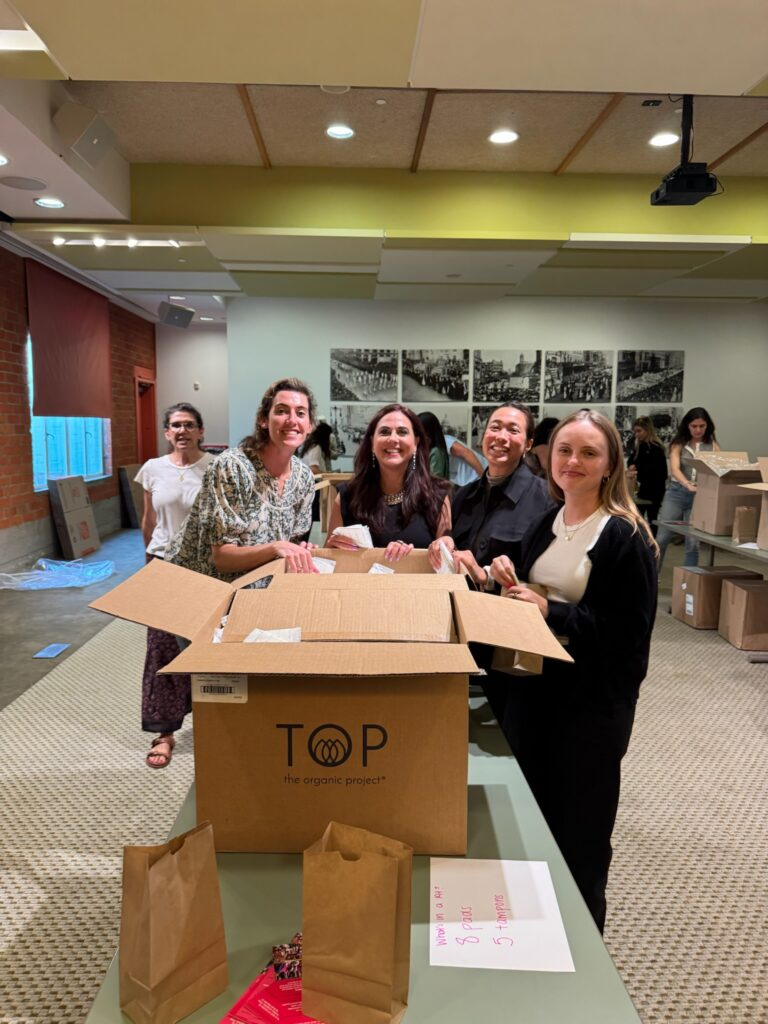
These numbers represent real people who can attend school, go to work, participate in their communities, and live with greater dignity because they have access to the products and information they need.
The most rewarding part of my work is knowing that every partnership we build, every donor we engage, and every dollar we raise directly contributes to improving the lives of women and girls. The impact report is a powerful reminder that our work is not just about distributing products—it’s about creating opportunities, restoring dignity, and ensuring that periods never stand in the way of someone’s future.
The Women in Leadership program experience
Take us back to the 2023 Women in Leadership program. What’s a specific moment, conversation, or challenge from the program that has stayed with you?
One of the moments that has stayed with me from the 2023 Women in Leadership program was a whiteboard exercise where we each shared our backgrounds, experiences, and personal journeys. It may have seemed like a simple activity, but it created a powerful opportunity to truly get to know one another beyond our titles and professions.
What stood out most to me was how incredibly diverse our cohort was. Every person brought a unique perspective shaped by different life experiences, industries, cultures, and leadership paths. That exercise reminded me that some of the most valuable learning doesn’t just come from the curriculum—it comes from the people around you.
Hearing other stories, challenges, and aspirations broadened my perspective and reinforced the importance of leading with curiosity, empathy, and openness. Looking back, that sense of connection and shared learning is what made the experience so special and memorable for me.
Was there a specific person or connection you made through Coro that led to something meaningful?
Yes, I met Julia Connolly on the very first day of Coro—we were seated next to each other and instantly clicked. Julia is also an incredible connector within our cohort and has done a wonderful job organizing a Women’s History Month meet-up each year, which has helped keep the community active long after the program ended.
I also formed a close bond with Devyn Bakewell during the program, and we’ve stayed in touch as good friends. Both relationships have been meaningful in a very real way—had I not met them through Coro, I wouldn’t have built those friendships with strong, ambitious women navigating similar stages of their careers, sharing both the ups and downs of growth and leadership.
Beyond those individual relationships, I’ve also stayed connected with several other cohort members through our WhatsApp group. It’s been really meaningful to continue championing each other’s milestones years after the program and to watch everyone grow in their respective paths.
Lessons from the Women in Leadership program
Coro didn’t just expand my network—it changed how I move through sectors, how I frame the work, and how I identify opportunities that sit at the intersections where real systems change happens.
Which Coro tool, framework, or habit do you still reach for?
One Coro lesson that I still reach for today is: If you don’t know, you don’t know.
As leaders, there’s often pressure to have all the answers, but I’ve learned that it’s far more important to be honest about what you don’t know and commit to learning. Working in the femtech and women’s health space—which wasn’t my professional background before joining The Pad Project—I learn something new every day.
A recent example came during a conversation with a prospective women’s health funder. She asked a highly technical question about one of our pad-making machines. Instead of trying to guess or provide an incomplete answer, I simply told her that I didn’t know the answer, but that I would find out and follow up with the correct information. She appreciated the honesty, and it ultimately strengthened the conversation and built trust.
That experience reinforced for me that leadership isn’t about having all the answers—it’s about being willing to listen, learn, and seek out the information needed to make informed decisions. That mindset has stayed with me long after the Women in Leadership program.
How has Coro changed the way you lead, and where have you seen that show up in your work at The Pad Project?
Coro helped me connect to leaders across various sectors in a more comfortable and intentional way. Before the program, much of my work at The Pad Project felt relatively siloed within the women’s health and wellness space. While that space is essential, menstrual equity itself sits at the intersection of public health, education, policy, and even environmental sustainability. Coro really pushed me to lead with that broader, more cross-sector mindset.
One of the biggest shifts for me was being encouraged to think beyond traditional funding pathways and actively explore alternative funding solutions and partnerships. Instead of approaching support in a linear or familiar way, I started thinking more creatively about who should be in the room and what kinds of partners could unlock new impact.
That shift had a very tangible outcome. Through this expanded way of thinking and relationship-building, I was able to connect with the right partner who ultimately became a funder for our menstrual cup program. That funding directly supported our ability to expand access to reusable menstrual products, advancing both our sustainability and equity goals.
Looking at your work today, what’s now in motion — a project, a coalition, a way of approaching a problem — that you trace directly back to your Coro experience?
Looking at my work today, one of the clearest through-lines from my Coro experience is how I approach problem-solving through cohort-style collaboration and cross-sector alignment.
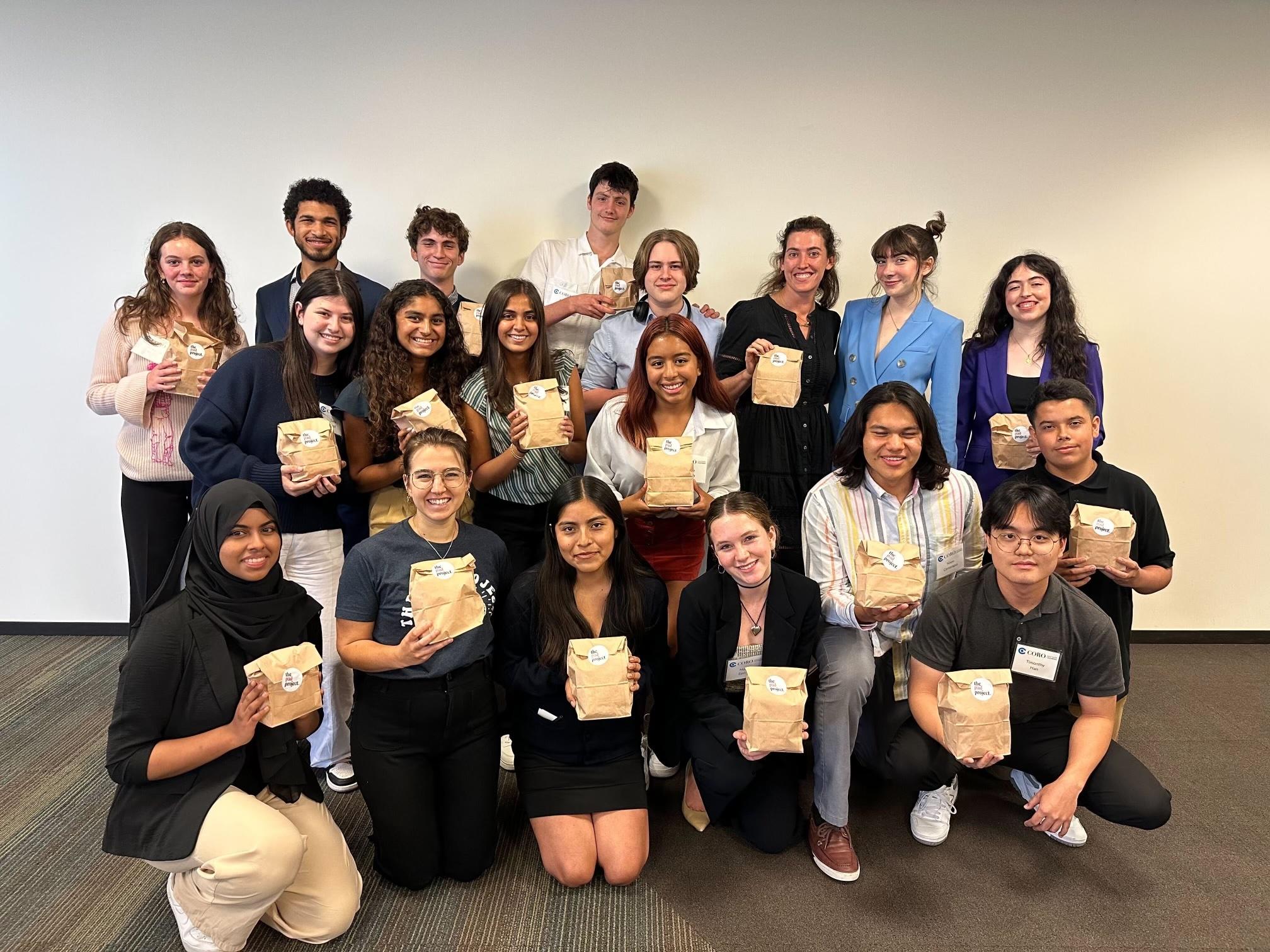
At The Pad Project, we’ve increasingly leaned into building partner cohorts—bringing together schools, community-based organizations, and local partners to collectively identify needs and design more effective ways to distribute menstrual products. Instead of working in isolated, one-off partnerships, we’ve shifted toward a more coordinated, shared-table approach where partners are actively part of the solution-building process.
That mindset was encouraged by Coro. One tangible outcome of this shift has been our ability to better coordinate local product donations and distribution strategies. By convening partners in a more structured, collaborative way, we’ve been able to reduce duplication, improve targeting, and ultimately get more menstrual products to the communities that need them most—particularly students in under-resourced schools and local community partners serving high-need populations.
The impact of this approach has been felt directly by the communities we serve, especially young people who now have more consistent and reliable access to menstrual products in their schools and programs. It has also strengthened our partner relationships, creating a more sustainable ecosystem of support rather than transactional giving.
Coro helped me see leadership not just as individual action, but as facilitation of collective progress—and that shift is now embedded in how we build, convene, and scale our work at The Pad Project.
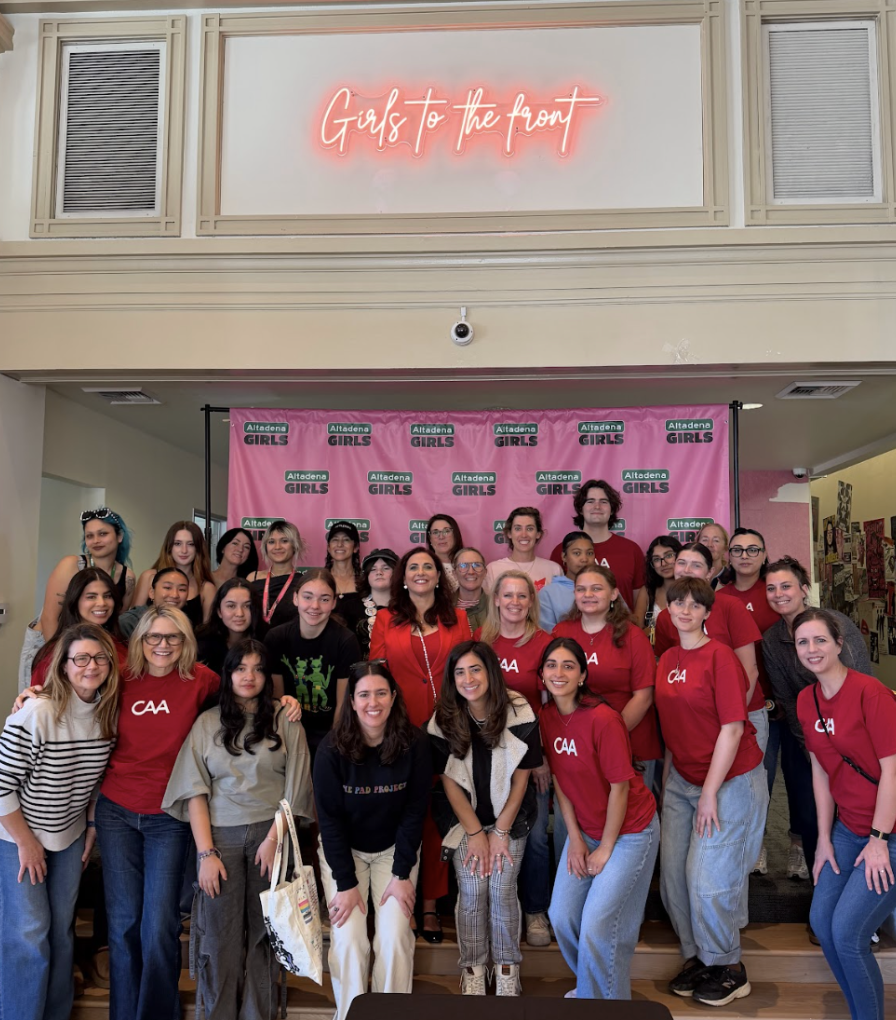
Addressing women in leadership
Being in a cohort where leadership development was rooted in shared learning and collective problem-solving really shaped how I think about systems change. It reinforced the idea that no single organization holds all the answers, and that the strongest outcomes come from aligned groups working toward a shared goal.
For someone considering the Women in Leadership program, or stepping into a leadership role in a mission-driven organization — what would you tell them about what the experience can unlock?
I think it’s really important to step out of your comfort zone and be surrounded by others who can push you to be your best. I would highly recommend the Women in Leadership program for someone who is navigating their career and looking for both the tools and the resources to grow as a leader in a more intentional way.
For me, one of the most valuable parts of the experience was being in a space where learning was not just theoretical, but grounded in real conversations with people facing different challenges and opportunities. It creates a kind of clarity and confidence that you carry into your day-to-day work.
I think Coro especially reinforces that leadership is unlocked through trust—trusting your team, trusting the process, and giving people the tools they need to succeed. It’s about learning how to better manage, direct, and understand the people you work with and serve, and recognizing that strong leadership is as much about listening and enabling others as it is about making decisions.
About Coro’s Women in Leadership Program
Coro California’s Women in Leadership program empowers women and women-identifying professionals to deepen their impact as managers, team leaders, and community leaders. Offered part-time in both Greater Los Angeles and the San Francisco Bay Area, the program blends hands-on learning, expert-led discussions, and peer consultancy to build practical skills in team management, negotiation, communication, systems thinking, and strategic decision-making. Participants sharpen how they navigate organizational dynamics and lead with influence, strengthen their ability to build trust and drive change, and join Coro’s network of 15,000+ alumni working across sectors — gaining a community of women eager to collaborate, learn from one another, and grow together.

Gohar Chichian
Ready to strengthen your leadership impact?
Explore programs designed to equip leaders with the skills to drive change.