
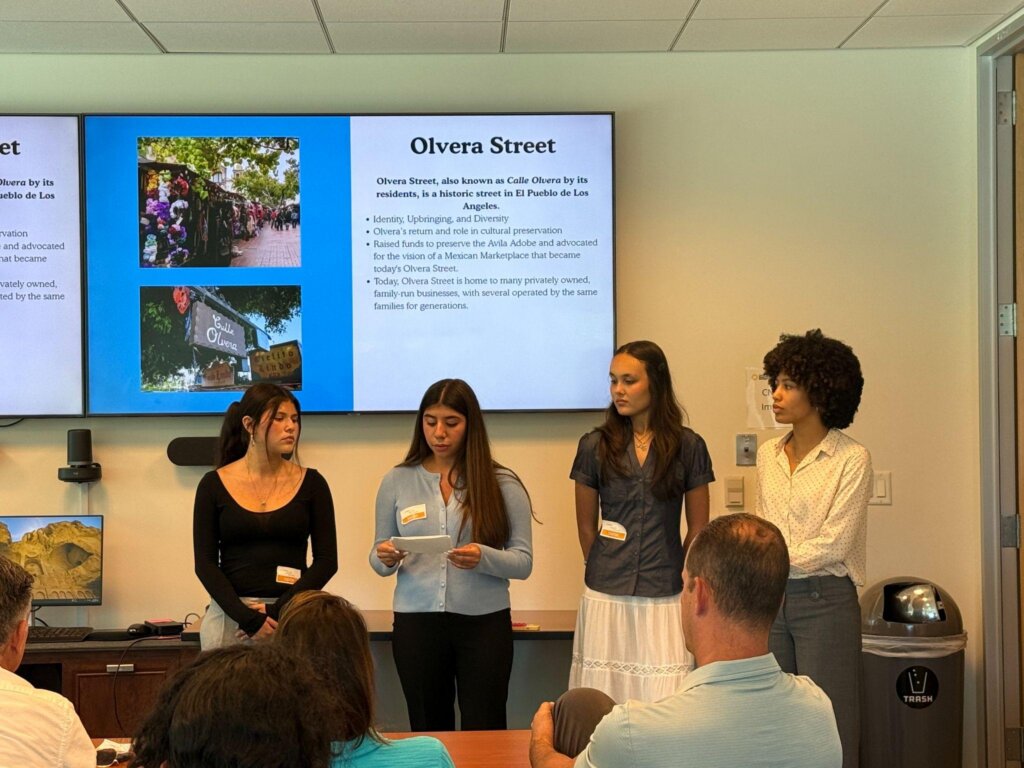
Positive youth development is being applied as a framing lens to youth programs all over the country. Centered on six anchor skills that help youth thrive, it’s a cheat code to maximize the interactions we have with youth within our programs to positively impact their development. What strikes me as I dig deeper into this framework as added inspiration for Coro California’s own youth-oriented program design is how it relies on adults to intentionally interact with youth, reinforcing their strengths, abilities, and potential for growth.
There are so many wonderful organizations doing just that, however, in my observation, that is not always the norm outside of a youth-based setting. As a broader community, we are often reluctant to embrace youth in systems that are designed to purposefully exclude them until they have a strong enough voice, vote, or value. We frequently transfer youth from system to system, letting go of “our part” after we try to teach them skills we think they need to be successful for the next part.
It makes me curious: Are we actually designing systems that aren’t set up to help us all thrive? Are we self-limiting our own potential for growth?
What if we saw ourselves AND youth as being on a lifelong learning journey? Fellow students open to what we have to teach each other about where our system design isn’t serving any of us. What if we admitted that we don’t have all the answers and asked more questions of ourselves?
De-centering expertise and technical problem-solving as the way one “leads effectively” grows the opportunity for humility, empathy, and perspective-taking. Those are strengths too.
Coro’s Youth Fellows leadership development program
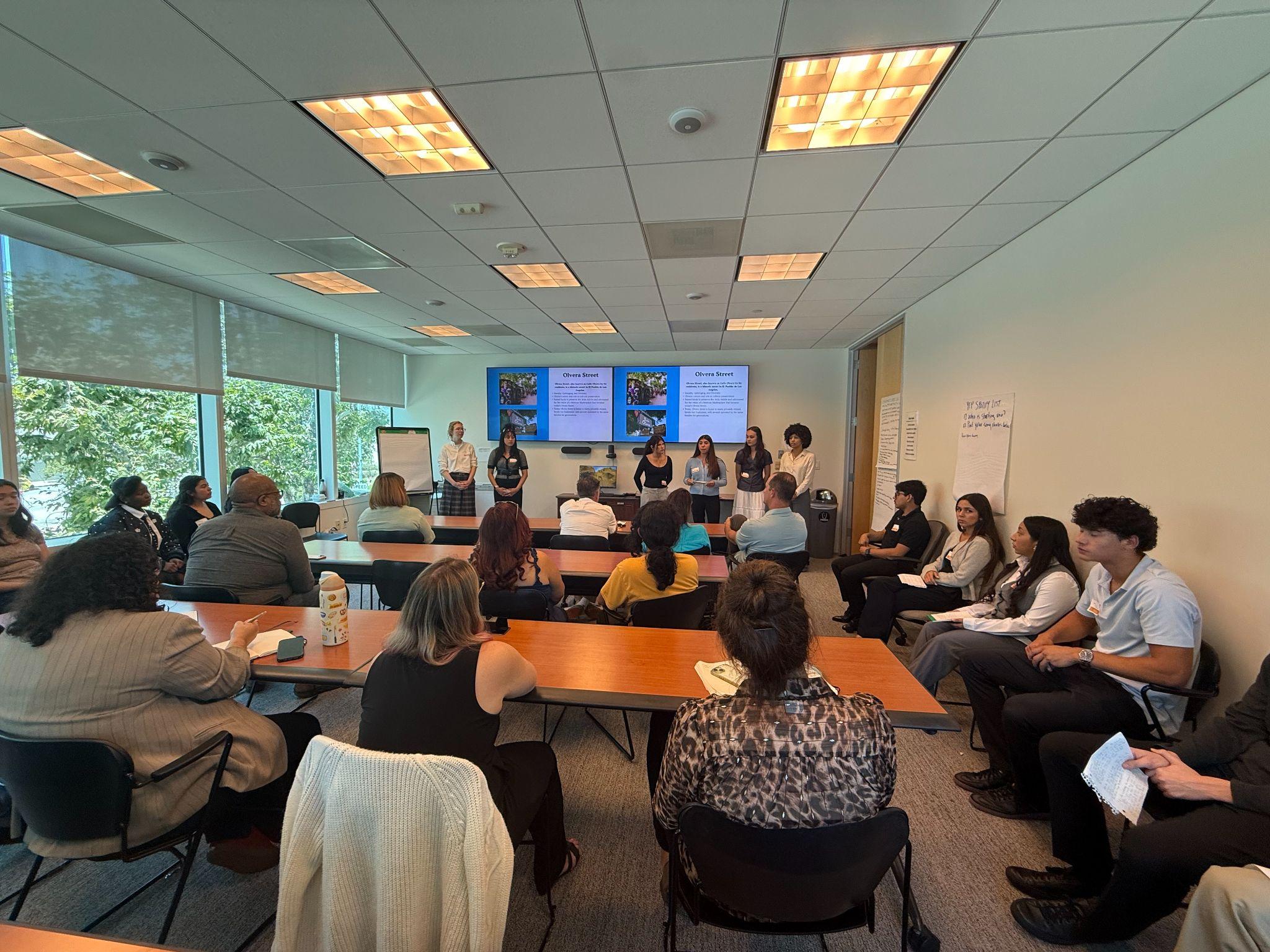
Coro California’s Youth Fellows Program is a six-week intensive introduction to civic systems and leadership skill-building for civic participation and evaluation. It was developed because we noticed that adults in our programs often mentioned they wished they’d learned some of the core concepts and frameworks we build into our curriculum, earlier. A challenge we face in designing the Youth Fellows Program is not asking them to be adults, but not treating them like children. To meet their skill level with expectations that they can meet their potential.
Over the next six weeks, our cohort of 20 Fellows will learn how local systems work, then put that knowledge into practice through leadership seminars, professional internship placements, and deep dives into timely community issues.
Not knowing the answer might be the most brave and leader-y thing we can admit in search of new perspectives that expand our understanding of what’s really going on.
We use the program in part as a way to point out how resistant we all are to challenging norms of how Leadership (note the capital “L”) is practiced. Much of the curriculum encourages thorough self-awareness, asking better questions to challenge our assumptions, being comfortable with ambiguity, gathering more data, and exploring new areas of discovery over confirming what we know and affirming our own competence. Pushing against the academic training that asks them for competency and efficiency over curiosity and a diagnostic mindset is hard — for the student and the teacher.
Civic systems need more tolerance of that kind of leadership. Adults need to see where the systems they participate in (and potentially perpetuate) have room for growth. Where applying a lens of genuine curiosity could reveal opportunities for shared values and goals to drive new types of collaboration. Where not knowing the answer might be the most brave and leader-y thing we can admit in search of new perspectives that expand our understanding of what’s really going on — and how to make progress on complex issues that need all of us to engage in the solution-finding process.
Back to positive youth development for a moment. The six anchor skills for thriving youth are: Emotion Management, Empathy, Initiative, Responsibility, Team Work, and Problem Solving. Is it possible that seeing ourselves as youth-in-development could help reframe our own leadership journey as a continuum? And, as we run youth programs, while yes, we are guiding them from a perspective of more experience, knowledge, and insights gained with our years, we aren’t the ultimate experts — We are the system-designers and the gatekeepers.
What might we design differently if we opened up both just a little more to include our youth as partners in our collective growth?
About Coro California’s summer youth leadership programs
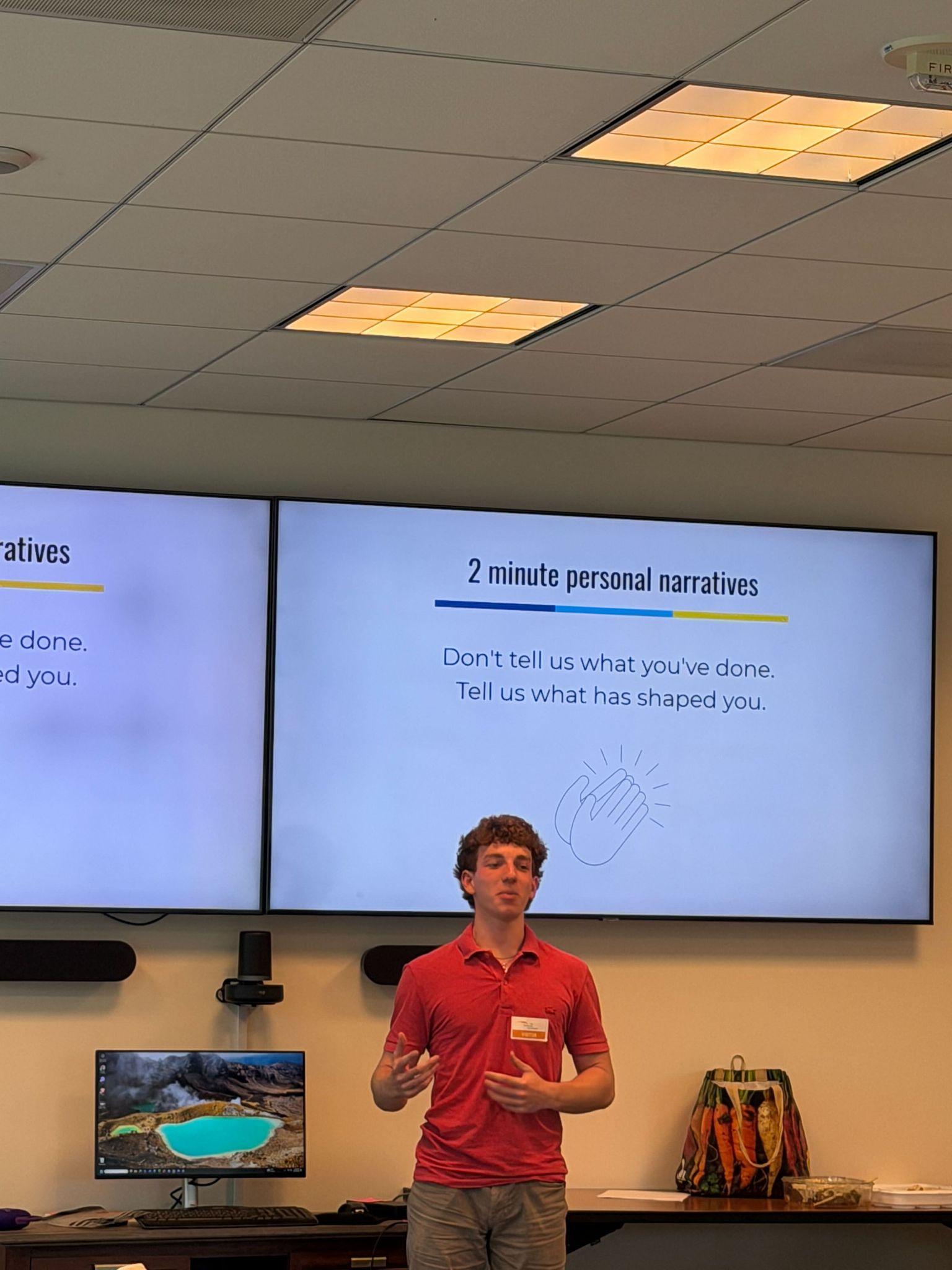
Coro California has three summer youth leadership programs offered to high schoolers across the state.
The Youth Fellows Program gives high schoolers in Los Angeles a hands-on introduction to how civic life actually works. Across six weeks, twenty Fellows dig into the inner workings of local institutions, then apply what they’ve learned through leadership seminars, real-world internship placements, and close examination of pressing issues facing their communities. Learn more.
The Youth Climate Fellowship provides an opportunity for high schoolers passionate about climate action to explore climate issues affecting Southern California, visit organizations across sectors, and discover career pathways in sustainability, policy, advocacy, and environmental justice. Learn more and meet this year’s cohort.
Exploring Leadership helps high school students in the Bay Area train in critical thinking and facilitation, while they complete an internship and work on community projects. Meet this year’s cohort and what they hope to learn through the program.
Learn more about our summer youth leadership programs
Every summer, Coro California’s youth leadership programs give young people a front-row seat to how civic systems actually work. Whether you’re a parent, educator, or community partner, there’s a place for you in helping shape what comes next.
Ready to get involved? Learn more about our youth leadership programs, schedule a call with our team, or submit an interest form to start the conversation.

Kaya Haig
Ready to strengthen your leadership impact?
Explore programs designed to equip leaders with the skills to drive change.