
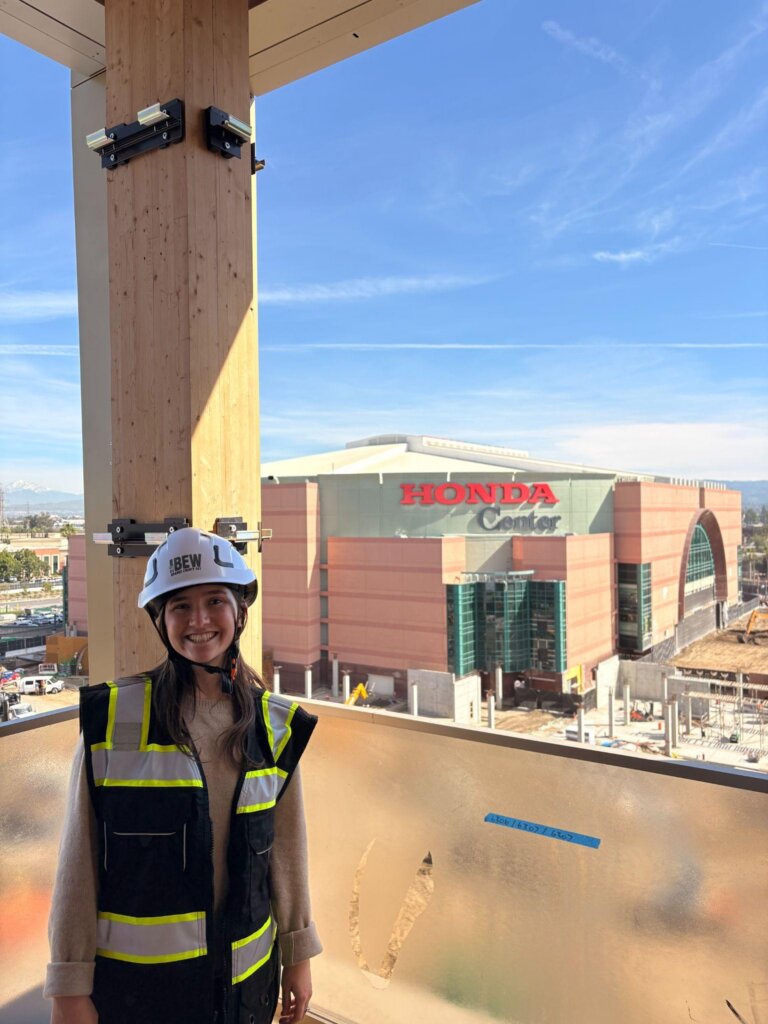
What I was searching for: the journey to a public policy fellowship at Coro
Before Coro, I was working on a small team at an environmental advocacy nonprofit. On paper, it checked a lot of boxes: it was in the environmental field, a mission-based organization, and gave me flexibility in my role. In practice, I felt passive. I didn’t feel like I was growing professionally, and I could not see a clear path forward or next steps for myself. More than anything, I felt like I was not making the kind of difference I had set out to make.
It was hard for me to see the impact that our online advocacy was having, but I didn’t know what other organizations were doing to become influential. I am naturally mission-driven. I knew that I wanted to be a part of the work and effort towards making California more climate resilient in an environmentally just way. I did not know yet what making that difference would actually look like for me.
I applied to Coro’s Fellows Program in Public Affairs to figure out the “how” behind my “why.” I knew I cared about environmental issues and had an interest in law, but I did not really understand careers existed at the intersection of the things I cared about. I was hoping Coro would help me connect some of those dots, and it did, in ways I did not expect.
One of the frameworks that shifted my thinking most was the PESTLE analysis, which helped me situate law within the broader ecosystem of policy, education, technology, and social change. It sounds like a small thing, but for someone who had been thinking about a career in law as a narrow path rather than a set of tools for addressing problems, it reframed everything. I stopped asking “what kind of lawyer do I want to be?” and started asking “what kinds of problems do I want to spend my life working on?” That felt like a much better question.
What Los Angeles taught me during Coro’s public policy fellowship

I came into this fellowship with more cynicism about institutions than I realized. One specific example: housing and homelessness in Los Angeles can feel insurmountable, and throughout my life, it has been an ever-present crisis that makes it easy to assume the people responsible for addressing it are either indifferent or incompetent. I did not think I held that assumption, but I did.
What surprised me, over and over again throughout this year, was how genuinely and deeply the people working on these issues care. Through placements, interviews, and site visits, I met leaders across sectors — government, nonprofit, philanthropy, private — who were working within real constraints, with limited resources and imperfect systems, and still showing up every day with intention and commitment. I never once walked away from a conversation feeling like someone did not care.
That has stayed with me. It did not make me naive about the systems that need to change, but it gave me something I did not know I was missing: genuine empathy for the people working inside those systems. You cannot collaborate across sectors without that type of understanding, and you cannot build the kind of coalitions that actually move things without first believing that the people across the table from you are trying.
Finding representative leaders and mentors
I could lead through care, through listening, through making people feel seen, and that could be enough.
Before this year, most of the leadership models I had encountered required me to perform a version of leadership that did not feel like me. Confident in a way that felt loud. Authoritative in a way that felt hard. I had absorbed the idea, somewhere along the way, that to be taken seriously as a leader, I would need to become someone different than I was.
Then I met Rupam Soni, my supervisor during my government placement at the Metropolitan Water District. Rupam leads with relationships at the center of everything she does. She is not the loudest in the room, but she is one of the most effective people I have encountered this year. She is caring, thoughtful, and genuinely invested in the people around her, and she has navigated many of the same self-doubts and challenges that I have been working through.
What she offered me was something I did not know I needed: proof that the kind of leader I naturally am is a real and effective kind of leader. I did not have to pretend to be louder or harder or more certain than I felt. I could lead through care, through listening, through making people feel seen, and that could be enough. Watching Rupam in her role gave me a model to aspire to that I could actually see myself in, and that changed how I think about my own leadership path.
What comes next: building bridges
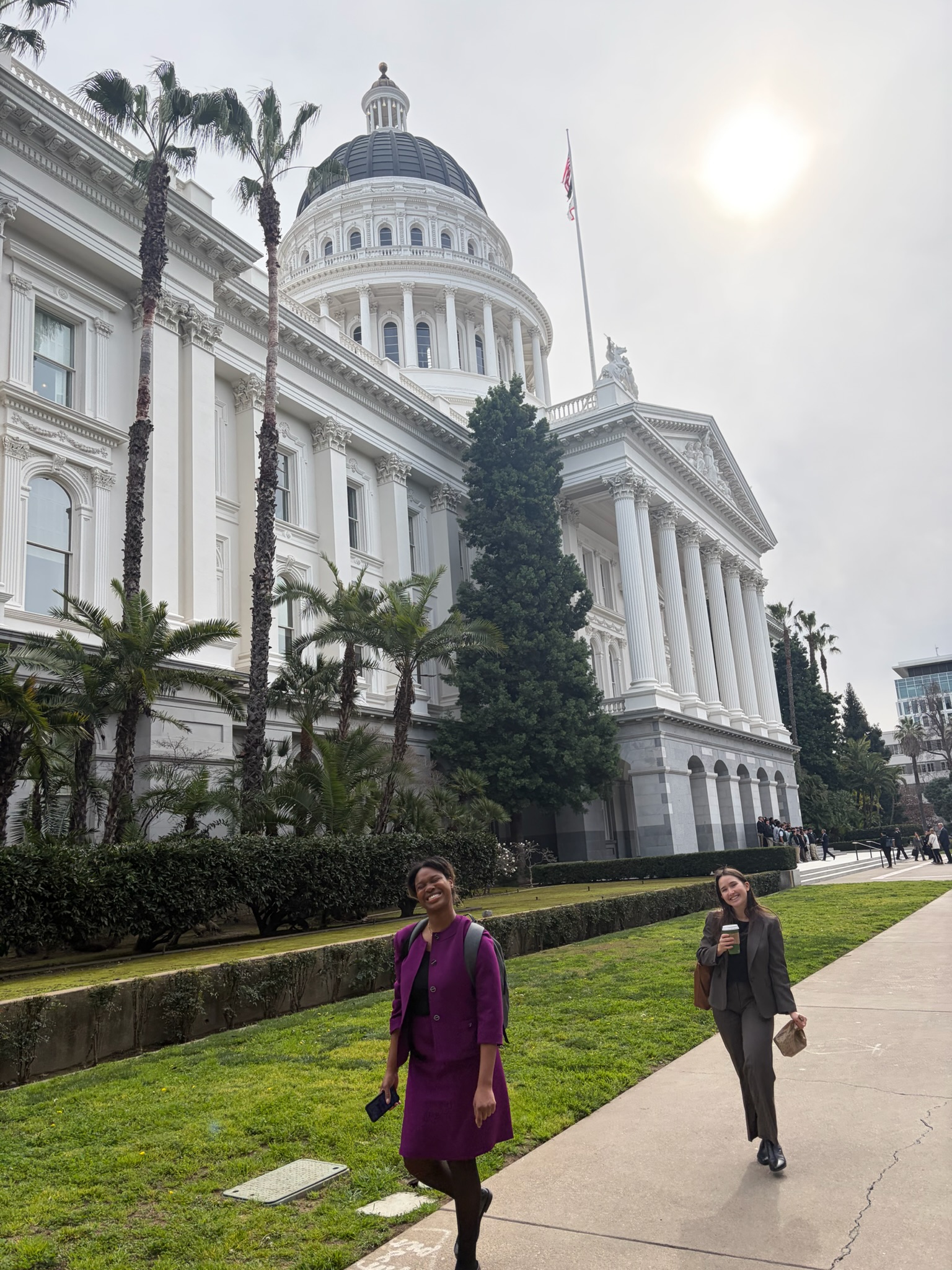
I hope to be someone who bridges gaps: between sectors, between communities, between the people who make policy and the people it affects. Coro did not give me a roadmap, but it gave me something better: a clearer sense of the problems I want to spend my life working on.
In August, I will be starting at Berkeley Law. I came into this fellowship knowing I wanted to pursue law, but not entirely sure why, or what I wanted to use it for. Coro helped me answer that.
One phrase that has stuck with me from this year is “fall in love with the problem, not the solution.” Before Coro, I was thinking about my legal career in terms of outcomes: what did I want the end result of my efforts to be? Coro has complicated the issues I care about, and now I think about my future career differently. What problems do I want to be in proximity to every day? What issues am I willing to sit with for the long haul, even when progress is slow and the path is unclear?
For me, those problems live at the intersection of law, water policy, and climate resilience in California and the American West. Coro exposed me to practitioners working in water law, an area I had never considered before this year, and I came away genuinely excited about it in a way I have not felt about a career path in a long time. The barriers that exist at the intersection of legality, policy, and environmental access are real, and I want to help navigate them.
In the longer arc, I hope to be someone who bridges gaps: between sectors, between communities, between the people who make policy and the people it affects. Coro did not give me a roadmap, but it gave me something better: a clearer sense of the problems I want to spend my life working on, and the conviction that the way I naturally show up in the world is not something to overcome on the way to doing that work. It is the foundation of it.
About Coro’s public policy fellowship
Few leadership experiences ask as much — or give back as much — as Coro’s Fellows Program in Public Affairs. This full-time public affairs fellowship, run in both Los Angeles and the San Francisco Bay Area, has spent more than eight decades preparing people to lead with clarity and integrity in public life. Fellows don’t observe how cities, agencies, and institutions function from a distance; they rotate through real placements across business, nonprofit, government, labor, and electoral politics, take on consequential assignments, and answer for the results. Woven around those placements are Focus Weeks that pull apart the region’s hardest problems, frank leadership interviews with people shaping the public square, and weekly seminars that build a durable leadership toolkit.
By the end — nine months in LA, seven in the Bay Area — Fellows have produced individual and cohort projects, including Spring Projects delivered to partner organizations, and earned credentials with weight behind them. Just as lasting is the company they keep afterward: a 15,000-strong Coro alumni network whose members include U.S. Senators, elected officials, and community leaders across every sector. Explore the program here.
Learn more about Coro’s leadership development programs.
Apply or nominate a future Fellow
Cost shouldn’t be the thing that holds a great candidate back, and here it isn’t: the fellowship is tuition-free, with need-based monthly stipends and health insurance allowances available to support participation. Coro is looking for recent graduates and early-career professionals who care about ethical leadership and want to help strengthen democracy through civic engagement.
Applications open in early September and the deadline is mid-January — a short window for a decision that can shape a career. If you’re ready to grow, or you know someone who’s ready, don’t wait to take the next step.

Kristin Gabriel
Ready to strengthen your leadership impact?
Explore programs designed to equip leaders with the skills to drive change.