
The best leaders I encountered this year were not always the loudest people in the room. Often, they were the people listening the hardest.
What surprised me most during the Fellowship was realizing how much of Los Angeles runs on relationships that the public never sees.
Before Coro, I understood institutions mostly from the outside. Government agencies, labor organizations, utilities, nonprofits, and private firms all felt like separate worlds with separate interests. This year showed me how interconnected everything actually is. I saw negotiations where years of trust mattered more than titles. I watched public agencies balance political pressure with operational realities. I sat in rooms where decisions affecting millions of people were being shaped not through grand speeches, but through careful conversations, compromise, and an understanding of what every stakeholder could realistically carry.
One moment that stays with me happened during our examination of our region’s water and power. Like many people, I had always thought about utilities as background infrastructure. You turn on a faucet and water comes out. You flip a switch and the lights work. Simple. But after spending time learning directly from the people responsible for maintaining those systems, I started to understand the immense historical, environmental, and human complexity underneath everyday life in Los Angeles.
I learned how deeply questions of water, energy, labor, housing, and development are all tied together. I learned that infrastructure is not abstract. It shapes neighborhoods, public health, economic opportunity, and even who gets to feel secure in their own community. That kind of understanding cannot be learned from a textbook or a headline. It comes from being physically present, asking questions, and hearing directly from the people doing the work.
Public policy fellowship reflections: what makes a good leader?
Leadership is not always about dramatic speeches or symbolic gestures. Sometimes leadership is remaining dependable even when nobody fully sees the weight you are carrying.
The Fellowship also changed my understanding of leadership.
Before Coro, leadership mostly meant management to me. It meant setting goals, creating buy-in, and directing people toward outcomes. I still think those things matter, but now I think leadership begins somewhere else. Leadership begins with understanding.
Before proposing solutions or cutting a path forward, real leadership requires understanding the context around a problem. What is the actual goal? What pressures are people carrying? What motivates them? What limitations exist that are invisible from the outside? The best leaders I encountered this year were not always the loudest people in the room. Often, they were the people listening the hardest.
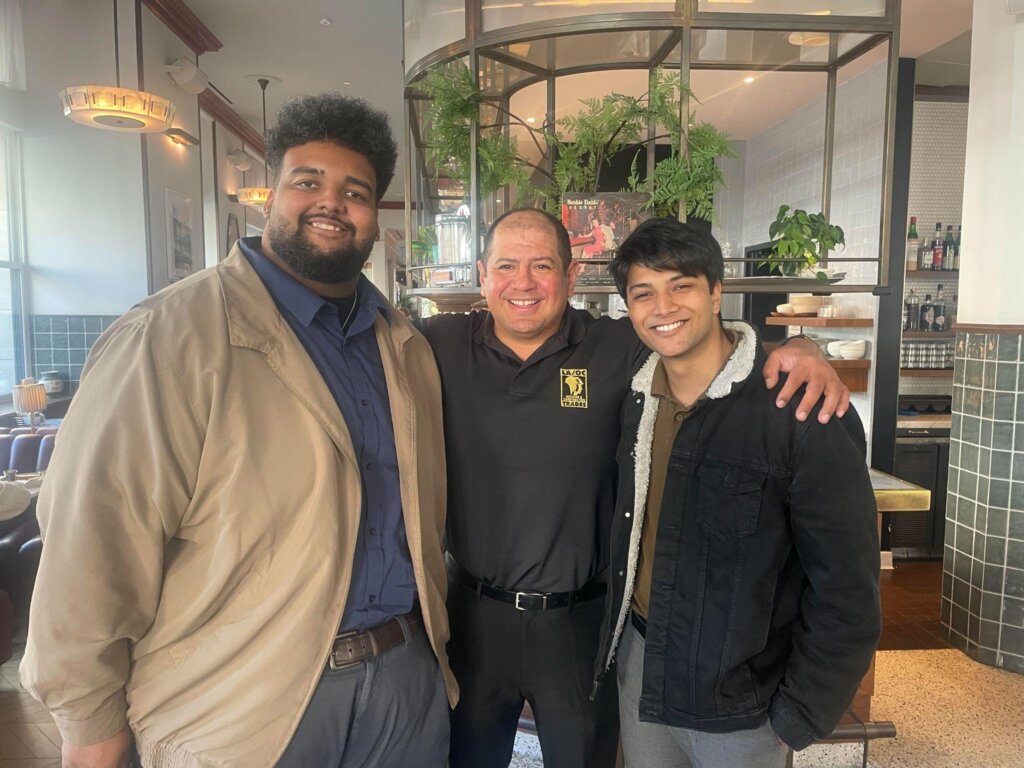
One person who deeply influenced that understanding was Eddie Alvarez from the LA/OC Building Trades. Eddie demonstrated a kind of steadiness that I had not fully appreciated before. Throughout the time I knew him, he carried enormous personal challenges while continuing to show up fully for the people and responsibilities depending on him.
At the same time, he never treated vulnerability as weakness. During conversations with us, especially during long drives between meetings, he spoke honestly about hardship, responsibility, and what it means to continue moving forward even when life becomes overwhelming.
What impacted me most was not simply his ability to endure difficulty. It was the way he balanced honesty with accountability. When I asked what we could do to support him, his answer was simple: follow through on your responsibilities. Come through on your deliverables. At that moment, I realized leadership is not always about dramatic speeches or symbolic gestures. Sometimes leadership is remaining dependable even when nobody fully sees the weight you are carrying.
That lesson changed the way I think about professionalism, teamwork, and care for others. It taught me that resilience and vulnerability are not opposites. The strongest people I met this year were often the most honest about uncertainty, difficulty, and responsibility.
The power of making mistakes
One misconception people often have about public affairs programs is that they exist solely as pipelines into government or elected office. My experience at Coro challenged that idea completely.
Another thing Coro gave me was confidence through experimentation. Throughout the Fellowship, there were countless moments where I became aware of my own instincts, strengths, or weaknesses in real time. Everyone experiences moments of awareness, but Coro pushed us one step further. It challenged us to actually act on that awareness.
The program became an experimentation ground. We were constantly being placed into unfamiliar environments, high pressure situations, and conversations outside our comfort zones. At first, that can feel intimidating. You become hyperaware of your mistakes, your gaps in knowledge, or the possibility of failure.
But eventually I realized something important: Coro is intentionally built to let Fellows learn through attempts. That safety net changed the way I approached challenges. Instead of trying to appear perfect, I started viewing mistakes as part of the process. I became more willing to ask difficult questions, test ideas, and trust my own judgment. Exposure builds confidence, but only if you allow yourself to participate fully in the experience.
Lessons for future Fellows: Coro is for everyone
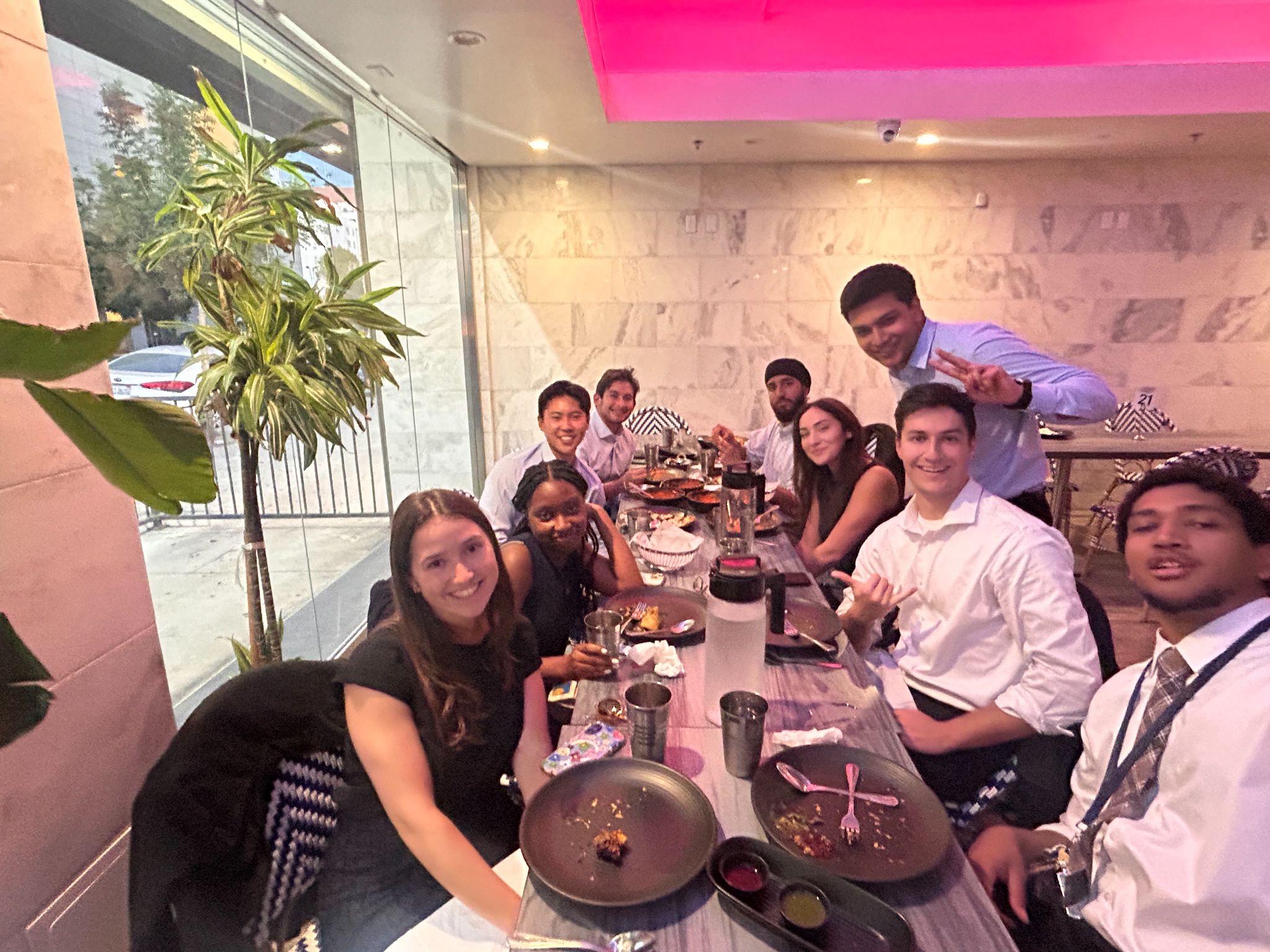
If a future Fellow is reading this, I would want them to know this: do not let fear stop you from experimenting. The program rewards courage far more than perfection. Some of the most valuable growth happens when you take a risk, stumble a little, and learn from it in real time.
One misconception people often have about public affairs programs is that they exist solely as pipelines into government or elected office. My experience at Coro challenged that idea completely.
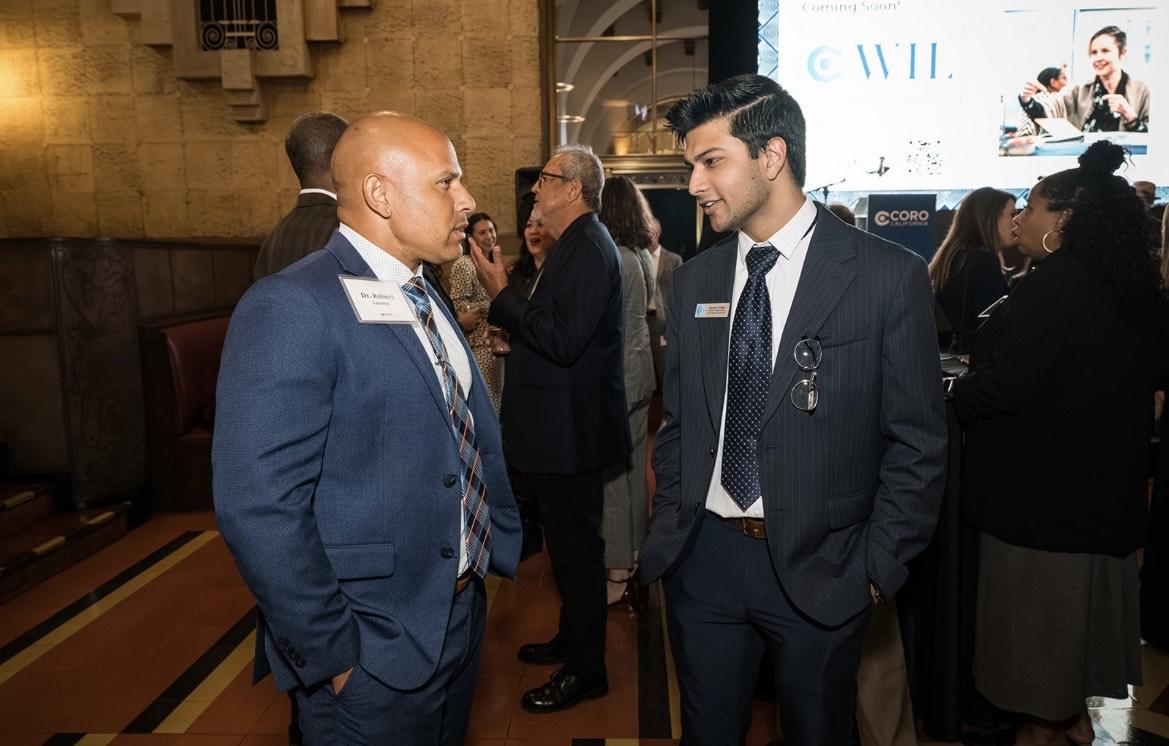
The Fellowship prepares people for far more than one sector or career path because it exposes Fellows to how interconnected every sector really is. During my placements, I gained firsthand exposure to finance, economics, labor, public administration, and emerging technology. I worked with the LA City Bureau of Contract Administration while also engaging with conversations around AI startups and economic systems. During our Focus Week explorations, I gained perspectives that fundamentally changed how I understand the region itself.
What makes Coro unique is not that it prepares people for one profession. It prepares people to navigate complexity. It teaches Fellows how to move between institutions, understand competing perspectives, and operate in environments where no single issue exists in isolation.
For me, that experience strengthened my long-term goal of pursuing a career in law. Before Coro, I knew I was interested in law, but I had a less developed understanding of what that actually meant in practice. This year clarified the deeper reason behind that goal. I want to use law as a tool to confront injustices that often go unnoticed, normalized, or ignored because they are embedded into systems people stop questioning.
Coro sharpened my awareness of how institutions shape everyday life, both positively and negatively. It also showed me how much change depends on people willing to ask difficult questions and challenge accepted norms. That understanding strengthened my sense of purpose far more than any specific technical skill could have.
Most importantly, the Fellowship reminded me that meaningful work always begins with people.
Behind every negotiation, policy, infrastructure system, or institution are human beings carrying responsibilities, fears, pressures, and hopes that are often invisible from the outside. Coro taught me to approach those realities with more curiosity, more humility, and more care. That lesson will stay with me long after the Fellowship ends.
About Coro’s public policy fellowship
The Fellows Program in Public Affairs is Coro California’s signature public policy fellowship, and for more than 80 years it has done one thing exceptionally well: turn promising people into capable leaders. Offered in the Greater Los Angeles Area and the San Francisco Bay Area, it’s a full-time commitment — nine months in LA, seven in the Bay Area — built entirely around doing rather than watching. Fellows rotate through professional placements in business, nonprofit, government, labor, and electoral politics; examine regional challenges up close during Focus Weeks; sit across from influential leaders in candid interviews; and refine their leadership instincts in weekly facilitated seminars.
That hands-on design is what makes the program stick. Fellows take on high-profile assignments, complete individual and cohort-wide projects — among them Spring Projects for partner organizations — and walk away having actually led, not just learned about leading. They leave with esteemed credentials, a portfolio of real work, sharper political and policy judgment, and a permanent place in a 15,000+ alumni network that counts United States Senators, elected officials, and changemakers among its ranks. Learn more.
Apply or nominate a future Fellow
Participation is fully funded — there’s no tuition — and need-based monthly stipends and health insurance allowances are available so Fellows can focus on the work. The ideal candidates are recent graduates and early-career professionals committed to ethical leadership and to strengthening democracy through civic engagement.
Could the next cohort have your name on it, or the name of someone you’d recommend without hesitation? Applications open in early September and close in mid-January.

Raiyan Kalam
Ready to strengthen your leadership impact?
Explore programs designed to equip leaders with the skills to drive change.