
People often say that life is about who you know, not what you know. But I think that Coro strengthened both.
Something that’s baked into the Coro experience is an understanding of how interconnected public affairs really are. Issues overlap, sectors influence one another, and learning about one topic often opens the door to many others. That was one of the biggest lessons I took from the program: even when you are not an expert in a specific area, you can still engage thoughtfully if you understand how systems connect.
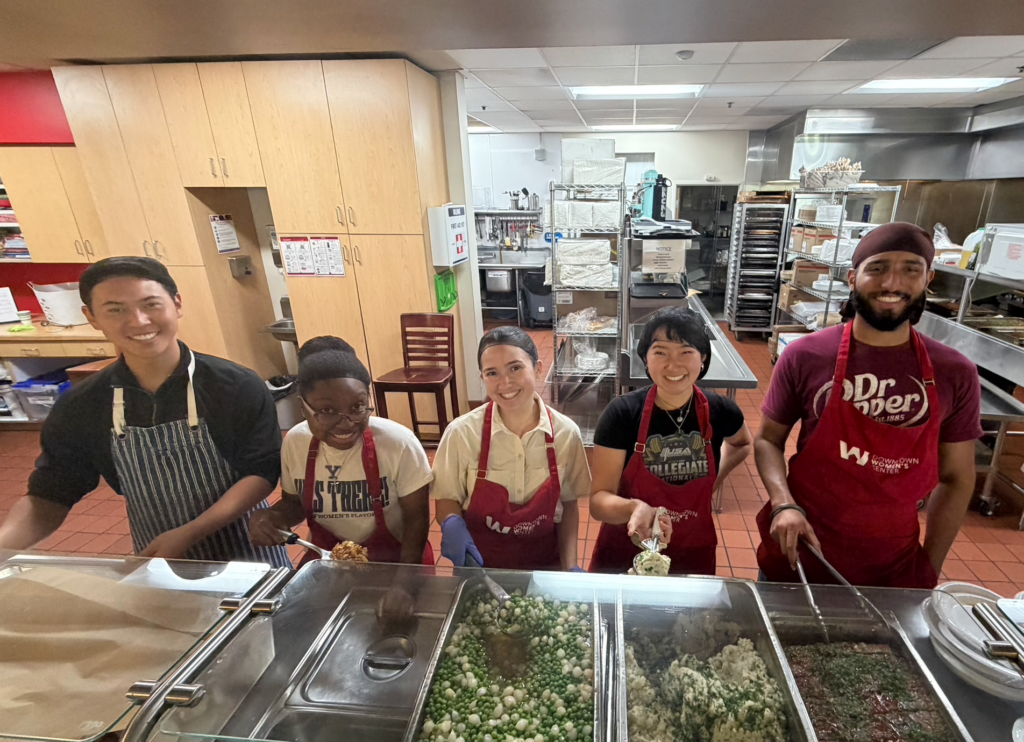
For example, I was once invited to a nonprofit’s holiday party, and not wanting to trail behind the person who invited me all night, I pushed myself to start conversations on my own. At one point, I began talking with someone from the Downtown Women’s Center. At the time, I did not know much about housing and homelessness policy, but we had just completed our Transportation Focus Week. Because of that, I was able to talk about things like density bonuses for affordable housing and even connect the conversation back to employees at public transportation agencies we both had interacted with. I may not have come in with deep expertise in housing policy, but I had enough understanding of a related issue to have a real, meaningful conversation, that in turn, taught me more about homelessness assistance efforts.
That moment gave me a boost of confidence. Before Coro, it did not always come naturally to me to talk with people outside my own lane. The program taught me how learning the language of public affairs helps you meet people on common ground. Once you understand the jargon, the systems, and the relationships between issues, it becomes much easier to join conversations, ask better questions, and connect with people whose work may be different from your own.
Coro also prepares you for networking in a very practical way. Through countless interviews, new placements, and the many events Fellows are required to attend, you get used to walking into unfamiliar spaces and building connections. Most of the time, you are the only Coro Fellow in your placement, which means you quickly learn how to introduce yourself, talk to strangers, and find common interests. And in public affairs, that kind of experience matters just as much as anything you can put on a resume.
Key Coro connections through the public policy fellowship
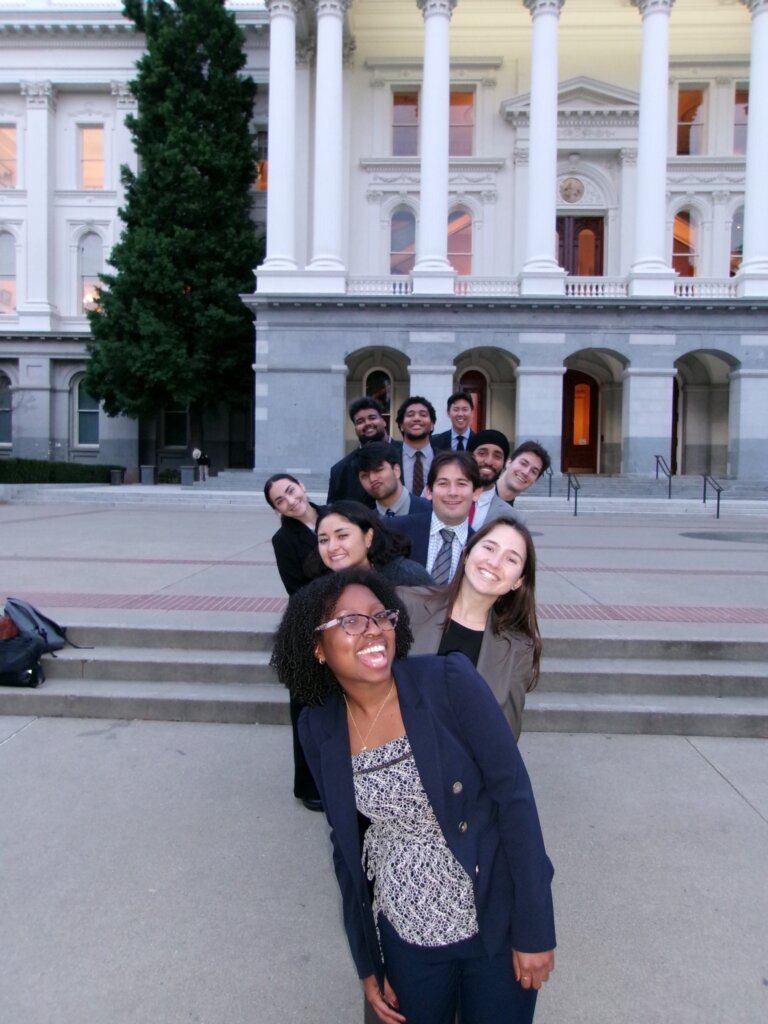
The more you lean into one another’s differences, the stronger you become as a group.
Through Coro, we have met countless people, been mentored by many experienced individuals, and built meaningful professional relationships with people across industries. But, I think that some of the connections that have impacted me most have been the ones I formed with my fellow Fellows.
For example, I spent many hours carpooling with John and Mike, and those rides were sometimes the highlight of my day.
John always impressed me with the depth of his analysis; of people, situations, and the world around him. He is one of the smartest people I know, and I learned so much from him about the political landscape of Southern California. I also learned a great deal about myself through the thoughtful and layered way he approaches reflection and conversation.
Mike brings a genuine passion for both people and politics. Watching him evolve through the fellowship, and experiencing his love for intellectual back-and-forth (whether about the ethics of celebrity culture or the 2026 mayoral race) was always entertaining. He pushed me to feel more comfortable with debate, and I always felt encouraged by the confidence he had in both me and some of the people around him.
Kristin led one of our Fellows-led workshops, and I was deeply inspired by the way she balanced so many moving parts while remaining grounded, collaborative, and thoughtful. She knew how to solicit feedback, learn from her team, and be a route setter. She is a deeply empathetic leader, and I always felt welcome around her to be honest about my emotions and work through them. To me, she embodies what ethical leadership looks like.
Anya and I carpooled together often, and we also had the chance to shadow our Assemblymember’s office in Sacramento. Between the silly moments and the serious ones, we had many thoughtful conversations about leadership, initiative, and navigating team dynamics. Those were the kinds of conversations that stay with you, and I hope we get to keep having them for years to come.
From Tajvir, I learned a lot about composure and intentionality in leadership, and about how to balance seriousness with levity. I admire his ability to be both a strong team player (ask him about the OINKY Method) and someone who can step up and effectively lead a group project. That balance is rare, and I think all of us benefited from watching him model it.
I also admire Grant’s passion for politics and for learning itself. He is someone who seeks knowledge for the pure love of it, and his seemingly endless social battery makes him especially gifted at networking. That willingness and curiosity is something I hope to continue building in myself, and he has definitely modeled it.
I have learned a lot from Raiyan, both as a friend and as a Fellow. He has always treated me with the kind of candor and respect that pushes and supports you at the same time. I will always appreciate the advice he offered on leadership and the genuine investment he showed in my growth, as well as in the growth of others in our cohort.
I also deeply admire Bella’s ability to run our cohort meetings with both efficiency and care. I remember always feeling relieved when she was facilitating, because we knew the meeting would be organized and end on time. I also appreciated the way she engaged with the research Fellows prepared for interviews. She took the time to read and show that she was engaging in the way we needed her to.
Eli is someone I admire for his flexibility and his ability to ask thoughtful questions. I tend to be a pretty Type A person, so I learned a lot from the calm he brings when things do not go according to plan, especially when he is the one leading. He has a gift for setting the tone in a room, and I often learned from the way he framed questions during interviews and discussions.
Julian is someone I have learned a great deal from simply by being around him. We attended many political and community events together, and I have always admired his ability to debate topical issues with industry giants while balancing humility with confidence in his own knowledge. That combination is not easy to achieve, and he carries it well.
Through our Spring Project together, our work as PMs for the closing retreat, and many smaller group collaborations, I learned so much from Sofia about what it means to be a strong teammate. Time and time again, she offered exactly the right insight or push toward action to help recenter the group and move us forward. She is the kind of person any team would be lucky to have in their corner.

What would you want from a public affairs fellowship?
I found Coro through a Google search, and when I started the program, I had no real idea what to expect. Looking back, one of the biggest things I wish someone had told me is that you do not need to be an expert in everything.
That is part of the point. There is a reason there are 12 of you. Each person brings a different perspective, set of life experiences, strengths, and areas for growth. You do not need to come in knowing everything about transportation, politics, housing policy, or elections. It is okay to feel unfamiliar with some of those topics. In fact, that openness is part of what makes the experience so valuable. There is something deeply rewarding about being able to look back and realize how much you have learned.
Some Fellows will come in with deeper knowledge in certain sectors. Others will have strengths in particular skills. That is by design. Each cohort is built with a mix of experiences, knowledge gaps, and abilities so that Fellows can challenge, support, and learn from one another.
Because of that, it is important to take the time to understand the backgrounds of the people around you. Learn the strengths and weaknesses of your team. Figure out how to become an interwoven blanket of abilities rather than a loose tangle of overlapping strings. The more you lean into one another’s differences, the stronger you become as a group.
And even if you do not fully understand yourself yet, that is okay too. Whether you want to or not, you will learn a lot about yourself in Coro.
About Coro’s Fellows Program in Public Affairs
Coro California’s Fellows Program in Public Affairs is the organization’s flagship public policy fellowship, with cohorts in both the Greater Los Angeles Area and the San Francisco Bay Area. For more than 80 years, it has advanced civic engagement and propelled the careers of exceptional leaders. The fellowship is full-time and demanding by design, shaping emerging civic leaders who go on to strengthen the character and integrity of their communities, institutions, and country.
Across the program — nine months in Los Angeles and seven in the Bay Area — Fellows take on rotating professional placements spanning business, nonprofit, government, labor, and electoral politics; dig into the region’s most pressing challenges during immersive Focus Weeks; meet candidly with influential cross-sector leaders in leadership interviews; and sharpen a practical leadership toolkit through weekly facilitated seminars. They also deliver individual and cohort-wide projects — among them curated Spring Projects for partner organizations — that translate classroom learning into real organizational impact.
The power of the program lies in how its pieces fit together, not in any one of them. Rather than studying systems from the outside, Fellows step inside them, shoulder high-profile assignments, and put their own leadership to the test in real time. They come away with respected credentials, a portfolio of tangible work, a deeper grasp of policy and politics, and lifelong membership in a network of 15,000+ Coro alumni whose ranks include United States Senators, elected officials, and changemakers across the country.
Join the next Fellows Program in Public Affairs
There’s no tuition to participate: the fellowship is fully funded, and need-based monthly stipends plus health insurance allowances are available to help Fellows take part. The program looks for recent graduates and early-career professionals who are serious about ethical leadership and want to help strengthen democracy through civic engagement.
The next cohort might include you — or someone you’d point to in a heartbeat. The application window opens in early September and closes in mid-January. Whether you’re an emerging leader ready to bet on your own growth or you know exactly who belongs in this community, this is the moment to act.

Tommie Lee
Ready to strengthen your leadership impact?
Explore programs designed to equip leaders with the skills to drive change.