
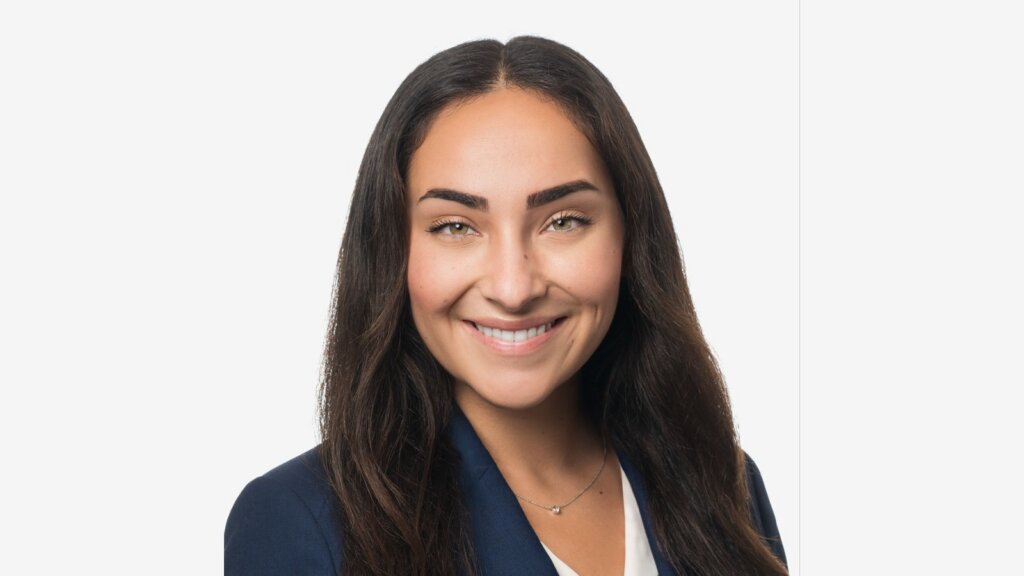
Some fellows arrive at Coro already sure of what they want to learn. Others arrive with a question they can't quite name yet—and let the year answer it for them. Sofia’s reflection is a study in the second kind: an experience in Coro’s Fellows Program in Public Affairs that started as curiosity about how government actually works, and ended as a quiet, hard-won transformation in how they show up in every room they enter.
“Coro gave me access not just to institutions, but to the human reasoning and competing pressures inside them.”
Why I chose a public affairs fellowship
Take us back to the moment you decided to apply for the program. What were you searching for — in your career, your community, or yourself — and what did you hope the program would help you find?
Starting my professional journey in a statewide nonprofit, I was able to see firsthand the disconnect that can exist between different sectors, especially between government and nonprofit organizations. That cultivated a natural curiosity in me to understand what actually happens inside government institutions: how decisions are made, who influences them, and how priorities are balanced. After gaining experience in government myself, that curiosity only expanded. I wanted to understand not just the government internally, but who else is impacted by it, how different sectors interact with it, and how the government listens to, collaborates with, and sometimes fails the communities and institutions around it.
When I heard about Coro, it felt like a rare opportunity to explore those questions in an intentional and immersive way. I applied without attaching too much weight to the outcome because I believed I would continue pursuing these curiosities no matter where I ended up. There was a part of me that knew this experience would be unlike anything else available to me. I was excited by the idea that this could truly be a once-in-a-lifetime opportunity.
I hoped the fellowship would not only deepen my understanding of public systems and leadership across sectors, but also develop me as a person and leader myself. And honestly, that was the scariest part of applying. It is one thing to analyze institutions and critique systems around you. It is another thing entirely to realize you will also be asked to reflect on yourself with that same level of honesty and discomfort.
What Los Angeles taught me during my public affairs fellowship
Describe a moment during your placement or regional exploration when Los Angeles surprised you. What did you learn about the region and its institutions that you couldn't have learned any other way?
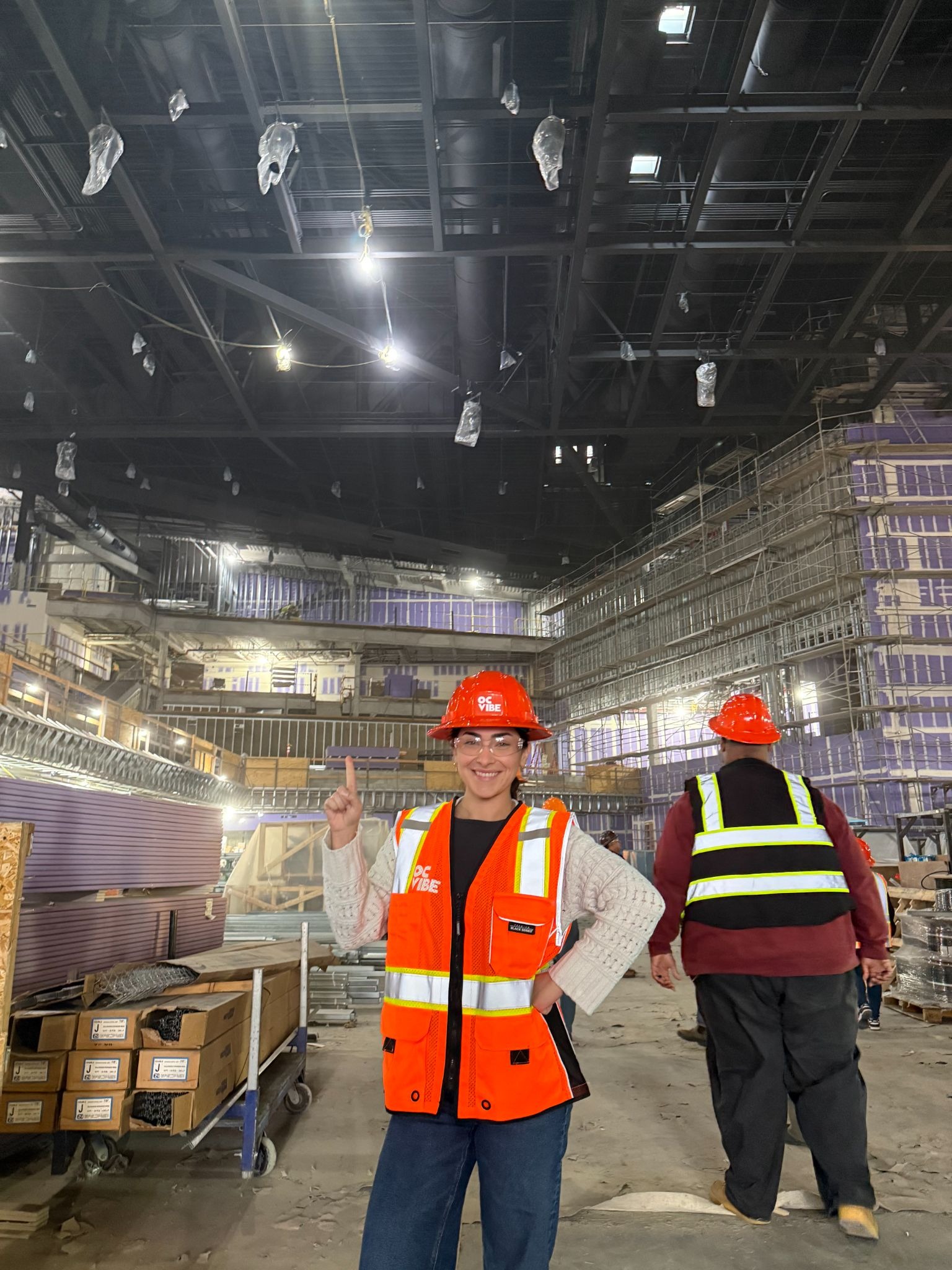
During my government placement at Los Angeles City Hall, I was able to sit in on internal conversations within City Council surrounding a major development project that carried significant financial costs and sparked extensive debate among councilmembers before a final decision was made. I was able to hear firsthand where elected officials were coming from and where many of their priorities lay, particularly around budget responsibility, political accountability, and stewardship of public resources. Whether people agreed with their decisions or not, there was a genuine concern about responsibility to the people of the City and the long-term implications of those choices.
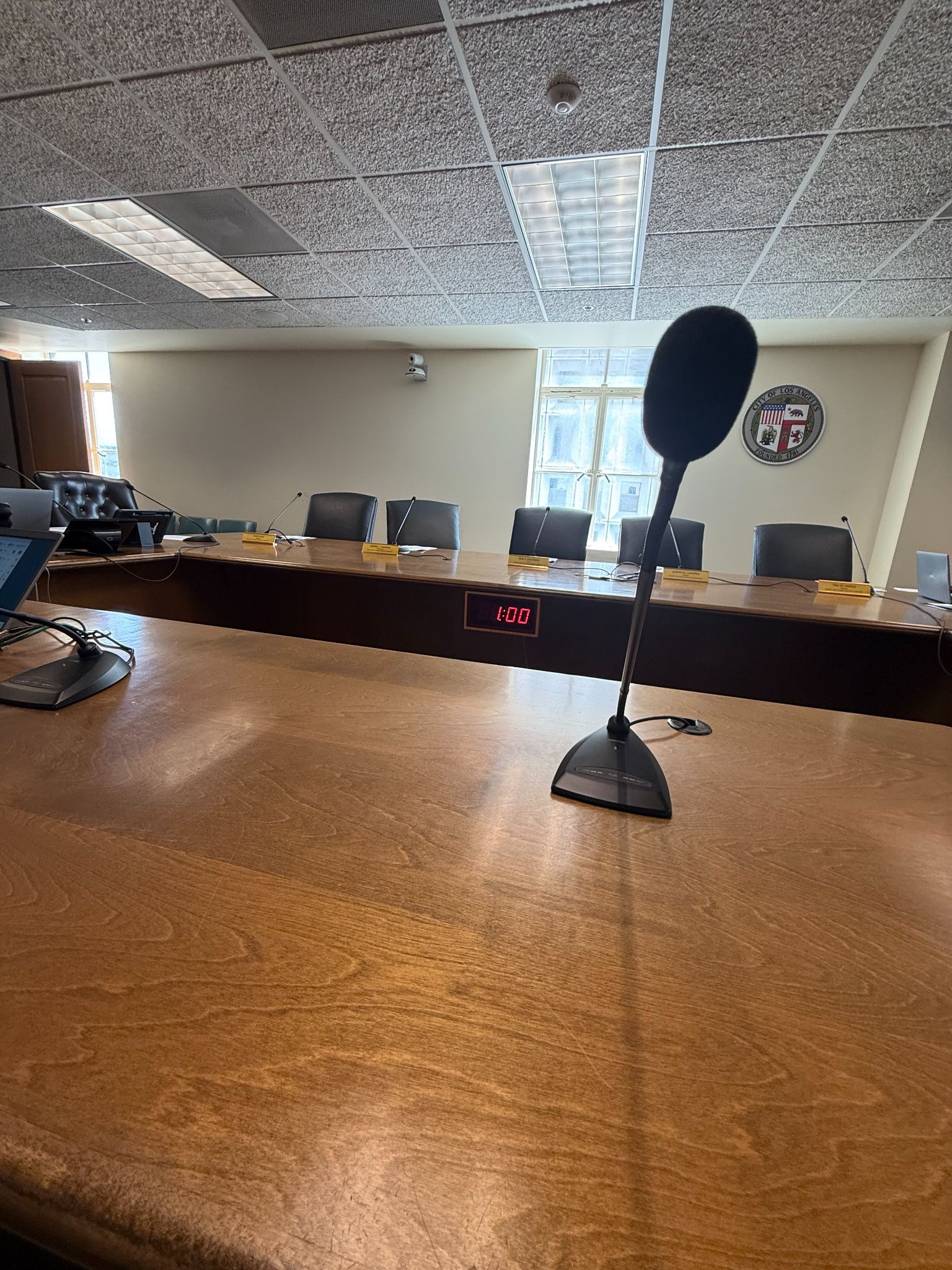
Later that winter, I had a placement with a construction trades council. There, I was exposed to an entirely different perspective on development and infrastructure projects. Conversations centered around job creation, workforce stability, and ensuring union workers had projects secured that could support themselves and their families. The same development project that generated hesitation in one room represented opportunity and security in another.
That experience forced me to reflect on one of the defining tensions within Los Angeles: many sectors are often motivated by the same underlying concerns—economic stability, prosperity, and quality of life for residents—yet those shared concerns can still lead to completely opposing policy positions. Being able to sit in both of those rooms, hear the reasoning directly from the people making the decisions, and genuinely understand both perspectives is something I could not have learned through reading articles, attending panels, or studying policy in a classroom.
The personal growth behind my public affairs fellowship
What's a skill or muscle you built during the program that you didn't expect to — something that isn't on the official curriculum, but that you'll carry with you?
I remember the moment I realized the curriculum was working in a way that was deeply impactful for me personally.
I grew up as a shy and quiet student who only contributed to conversations when I knew I was beyond a doubt correct. My family still playfully laughs about how, when I was younger, waiters at restaurants would ask what I wanted to order and I would immediately look at my mom or grandma to speak for me instead. As I got older, that visibly improved, but the anxiety underneath it remained present in countless situations that probably would not (and honestly should not) plague the average person.
In October, about two months into the program, I was ordering food at a drive-through and felt guilty about how long and detailed my order was. When the cashier repeated the order back and entered one of the meals incorrectly, I corrected them without even thinking about it. No big deal, maybe two extra seconds added to the interaction.
But as I pulled up to the second window, I suddenly realized that even three months earlier, I probably would have let the mistake go uncorrected. I would have worried about burdening the cashier, inconveniencing someone else, or taking up more space than I deserved to. This time, correcting it happened automatically. It was instinctive. There was no spiral of overthinking beforehand and no guilt afterward.
That moment sounds incredibly small, but for me it represented a complete rewiring of thought patterns I had carried for years. And then I started noticing similar moments everywhere: when advocating for myself with my landlord, when speaking up earlier in group conversations instead of waiting until I had the "perfect" thing to say, when asking clarifying questions without apologizing first, when trusting that my perspective deserved to take up space in a room.
Those moments kept accumulating throughout the year. Coro has fundamentally changed the way I move through the world. It preserved the most important parts of who I already was while strengthening the parts of myself that fear and self-consciousness had previously muted. The result is still me, but a more confident, assured, and resilient version.
Advice for future public affairs fellowship applicants
If you were sitting across from someone considering applying to the program, what would you want them to know? What's the thing you wish someone had told you?
When the fellowship makes you uncomfortable, that means it's working.
When you feel exhausted, that means it's working. When you feel scared, drained, uncertain, and like you have absolutely no idea what you're doing, that means it's working too.
It means you are allowing yourself to fully enter situations that challenge you instead of retreating from them. It means the walls people often build to avoid discomfort, vulnerability, failure, or embarrassment are beginning to come down. Coro has a way of helping you dismantle those walls whether you intended to or not.
I think before applying, I imagined leadership development as something polished and empowering all the time. In reality, growth often feels messy before it feels rewarding. Sometimes leadership development looks like failing publicly. Sometimes it looks like realizing your habits, insecurities, or communication styles are limiting you. Sometimes it means learning how to sit in discomfort long enough to actually change.
And yet, that discomfort became one of the most valuable parts of the experience for me. Because on the other side of it is a version of yourself that is far more adaptable, self-aware, and capable than the person who first entered the program.
When it hurts, that means it's working.
About the Fellows Program in Public Affairs
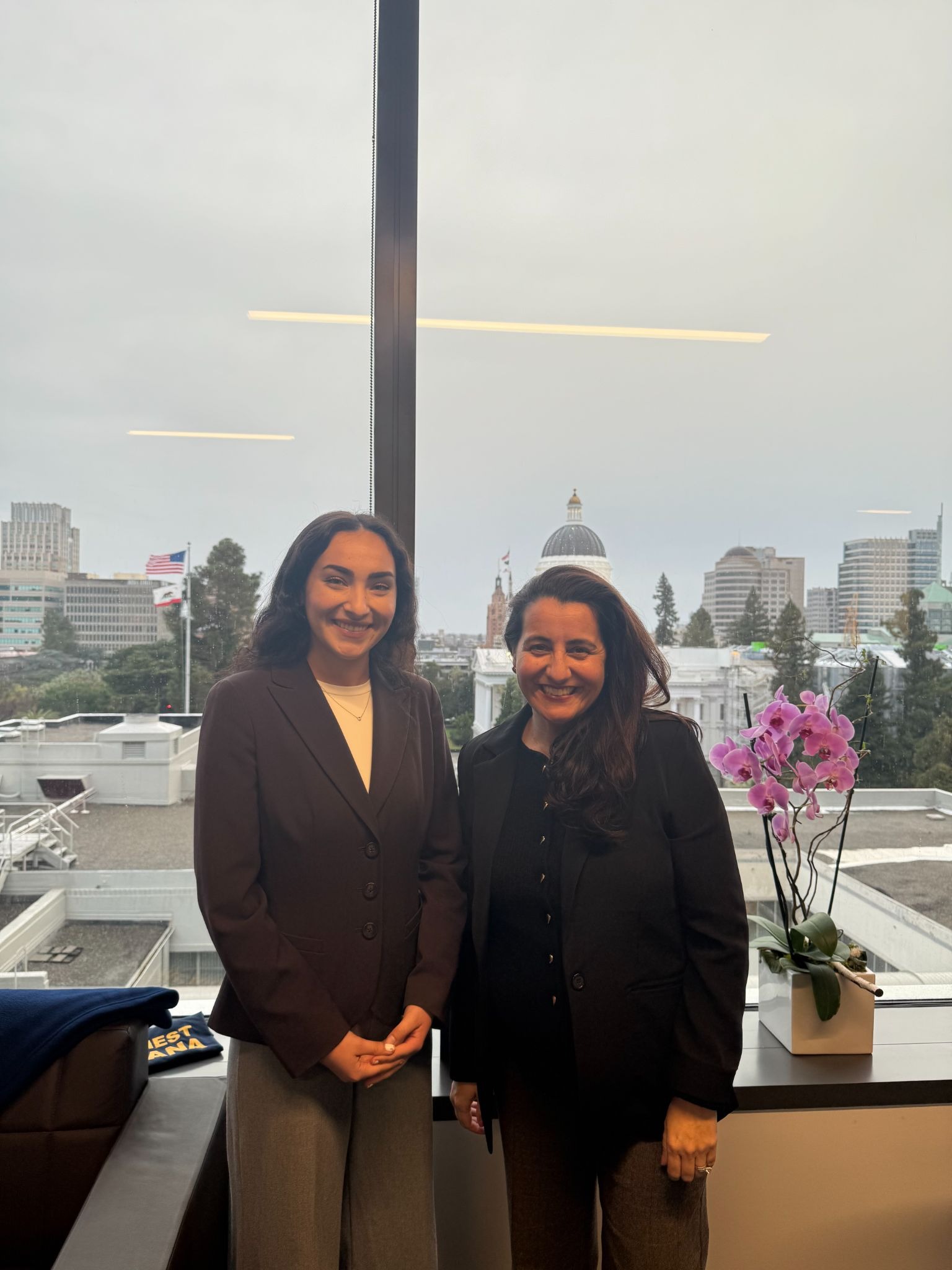
Coro California's Fellows Program in Public Affairs pairs hands-on professional placements with structured self-reflection. Fellows in the Bay Area and Greater Los Angeles rotate through placements across sectors; take part in regional Focus Weeks and closed-door interviews with civic leaders; and build a leadership toolkit through weekly seminars in adaptive leadership, systems thinking, and stakeholder analysis. Fellows leave with a professional portfolio, a nationally recognized credential, and a lifelong network of more than 15,000 Coro alumni.
Applications for the next cohort are open now for both the Bay Area and Los Angeles.
Learn more about Coro California’s leadership development programs.
Sofia Martinez
Ready to strengthen your leadership impact?
Explore programs designed to equip leaders with the skills to drive change.