
After the fires tore through Altadena, Isabella didn’t just watch the recovery from a distance — she got to work. In this Q&A, she reflects on what the Fellows Program in Public Affairs taught her about leadership, relationship building, and what it really takes to help a community rebuild.
Effective leadership requires more than organization and strategy; it also requires patience, compassion, and the ability to meet people where they are.
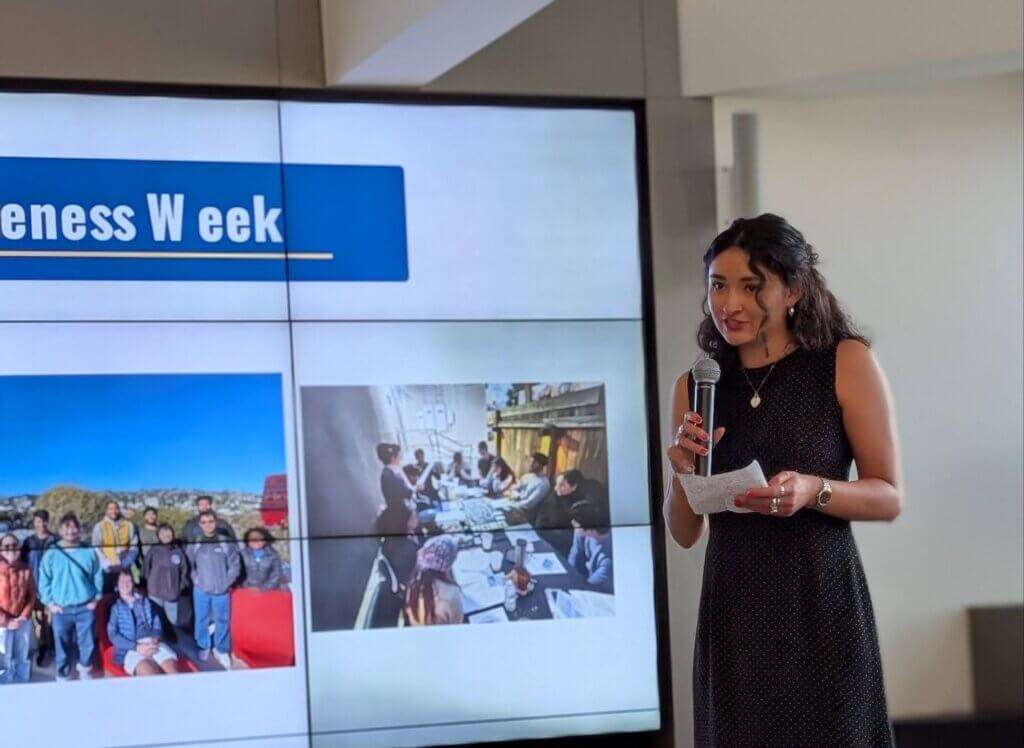
Describe a moment during your regional exploration when Los Angeles surprised you. What did you learn about the region and its institutions that you couldn’t have learned any other way?
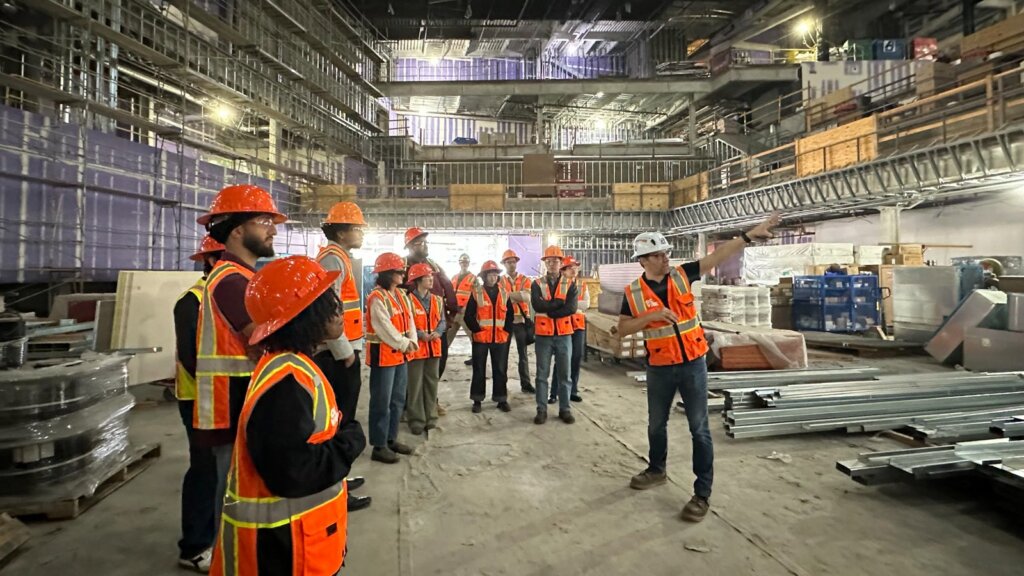
While researching Silicon Beach for one of our assignments, I was surprised by how much aerospace and manufacturing activity still exists throughout LA. Before starting the research, I mostly associated LA with entertainment, media, and tourism, but quickly learned that the region has a deep connection to engineering, aviation, defense, and other advanced technologies. I found it especially interesting how these industries continue to thrive and adapt even as the city changes and grows.
One of the main reasons aerospace and manufacturing companies have remained successful in LA is due to the amount of physical space and industrial infrastructure that already exists, especially on the west side. Many companies have been able to repurpose older warehouses, factories, and industrial buildings into spaces for production.
Compared to Silicon Valley, which is more focused on software, Silicon Beach has developed a reputation for industries that require large-scale manufacturing, testing, and engineering. Companies in the region are working on technologies related to rockets, satellites, electric vehicles, aircraft, robotics, and transportation systems. I found it interesting how the physical geography and history of a place can shape the types of industries that develop there.
Another aspect I enjoyed learning about was the rich history of neighborhoods like Venice and the surrounding westside communities. Many areas that are now known for startups, tech offices, and creative spaces were once centers of rich lively diverse communities and often these communities slowly become displaced and disappear entirely.
How the public affairs fellowship led to supporting Altadena
Tell us about a Coro connection you met through the program who played a key role in your personal or professional development. What did they offer you that you didn’t know you needed?
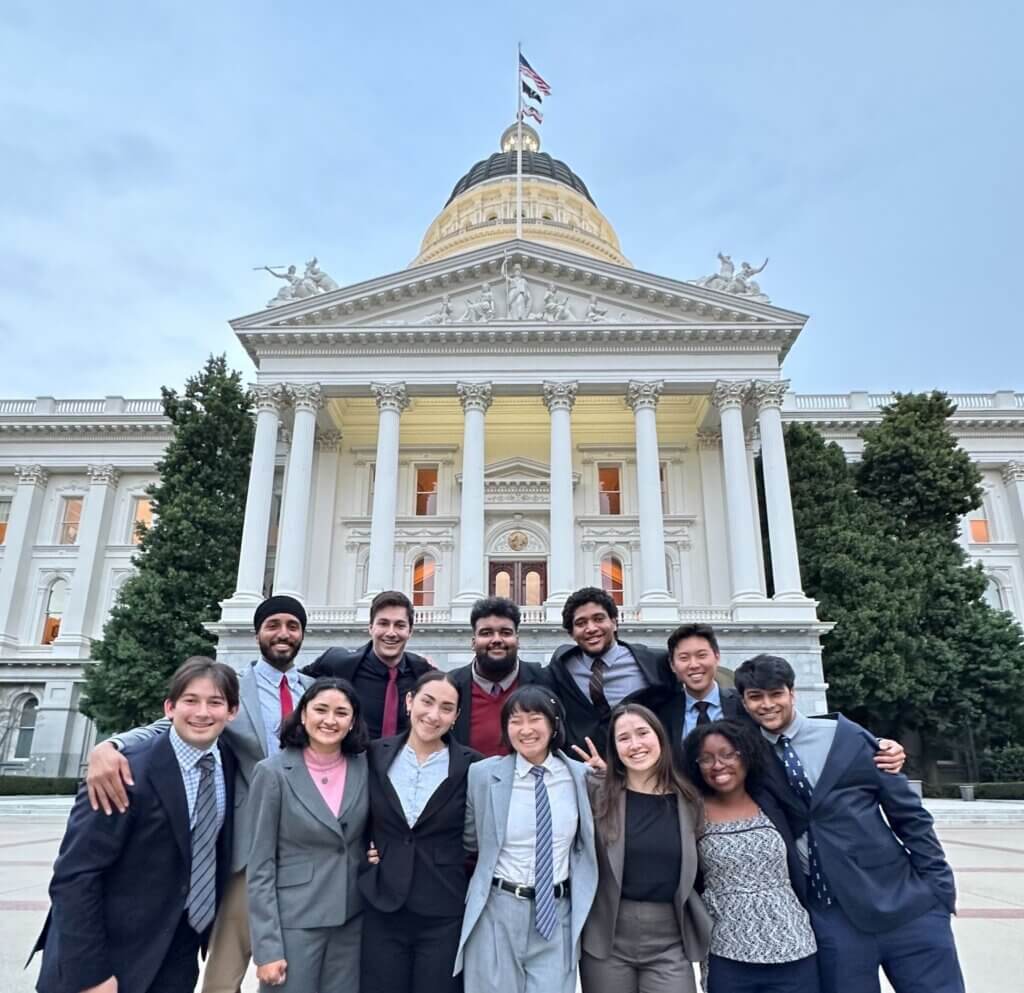
One Coro connection that has played a key role in my year was my supervisor at my nonprofit placement, Department of Angels. Christine Kwon is the current head of the organization, which has been deeply involved in supporting fire recovery efforts in Altadena and the Pacific Palisades.
Throughout my placement, Christine became someone I learned from not only professionally, but personally as well. Watching the way she leads during moments of crisis and uncertainty showed me what thoughtful and community-centered leadership can look like.
This placement was especially meaningful because of my personal connection to Altadena. Being able to contribute to recovery efforts in a place that means so much to me and my fellow neighbors made this feel extremely meaningful. This placement also allowed me to meet with homeowners (similar to my parents who are total loss survivors), community leaders, nonprofit partners, volunteers, and other local advocates who are all working toward rebuilding and supporting my community.
These relationships gave me a much deeper understanding of how interconnected recovery work really is. I was able to hear directly from fellow residents about their experiences, frustrations, and hopes for the future, which made the work feel human instead of just administrative.
Going beyond this great placement, Christine showed me the importance of balancing empathy with action. In disaster recovery work, many people are overwhelmed, grieving, frustrated, or uncertain about their future. I learned from her that effective leadership requires more than organization and strategy; it also requires patience, compassion, and the ability to meet people where they are. She demonstrated how to advocate for communities while still navigating complicated systems and bureaucratic challenges.
What’s a skill or muscle you built during the program that you didn’t expect to — something that isn’t on the official curriculum, but that you’ll carry with you?
One skill I have built during the program that I did not expect to develop was the ability to “herd cats.” Throughout the Fellowship, this became the analogy I used to describe the challenge of coordinating people, priorities, and personalities that are all moving in different directions at the same time. Whether it was working on group projects, managing interpersonal connections, or trying to navigate fast moving community recovery efforts, I realized that leadership is often less about controlling situations and more about guiding people through uncertainty and competing priorities.
This analogy reflects the frustration I sometimes felt trying to bring structure and momentum to situations where everyone had different goals, communication styles, or timelines. At first, I thought leadership meant being organized and having clear solutions, but Coro taught me that much of public affairs work is messy. Progress often depends on your ability to manage relationships, adapt quickly, and keep people moving toward a shared goal even when there is disagreement or ambiguity.
I think “herding cats” also taught me the importance of balancing persistence with empathy. People work differently, carry different pressures, and respond to leadership in different ways. Instead of becoming frustrated when things did not move perfectly, I learned to focus on relationship building, trust, and finding common ground. That is a skill I know I will carry with me long after the Fellowship, especially as I continue working in community and housing recovery spaces where collaboration across many groups is essential.
What’s next after the public affairs fellowship
What’s next for you — immediately after the program, and in the longer arc of the change you want to make? How has the Fellowship shaped the “why” behind that work, not just the “what”?
I want to be part of creating systems and programs that make people feel supported during moments of uncertainty rather than overwhelmed by bureaucracy and barriers.
Immediately after the Fellowship, I will be continuing my work in Altadena as the Housing Program Manager for Altadena Land Initiatives. I am incredibly excited for this next step because it allows me to continue supporting my community that I care deeply about while also building on the work I began during my Coro placement (this was my Spring Project placement).
Through my experiences this year, I discovered how meaningful it is for me to work directly with communities navigating recovery, displacement, and housing insecurity. In this role, I will continue helping homeowners and residents navigate the rebuilding and recovery process after the fires. Housing recovery is deeply complicated and emotional work because it affects people’s sense of stability, identity, and home.
Throughout the Fellowship, I learned that recovery is not only about rebuilding structures, but also about rebuilding trust, relationships, and a sense of belonging within a community.
Long term, I hope to continue working at the intersection of housing, community development, and public service. I want to help create more equitable systems that allow communities, especially historically overlooked communities, to remain stable, connected, and resilient during times of crisis and change.
The Fellowship strengthened my understanding that meaningful change requires collaboration across sectors, whether that is nonprofits, government agencies, advocacy groups, or residents themselves. Through Coro, I was able to meet people from many different backgrounds and leadership styles, which expanded my understanding of what effective leadership can look like.
About the Fellows Program in Public Affairs
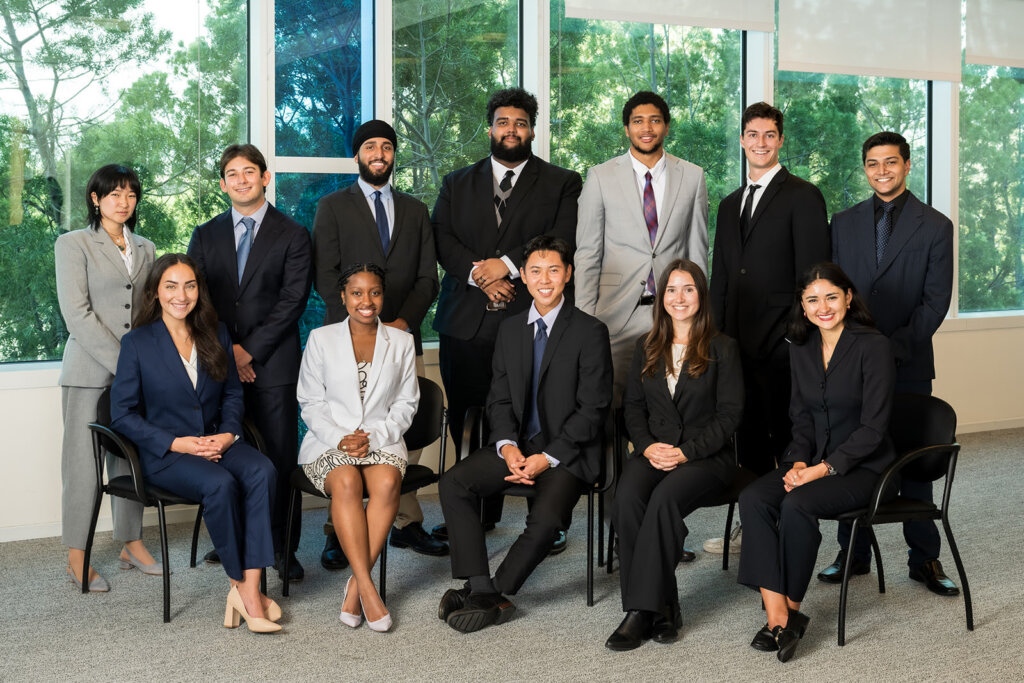
The Fellows Program in Public Affairs is Coro California’s flagship fellowship, immersing emerging civic leaders in the institutions, sectors, and challenges shaping California communities. Through professional placements, regional explorations, and leadership training, Fellows build the skills and networks to turn what they learn into lasting community impact — whether that’s in housing recovery, government, nonprofits, or beyond.
Start your leadership journey
Nominations and applications for the next Fellows Program in Public Affairs cohort — in both the Bay Area and Los Angeles — open in mid-September. Nominate a candidate or learn more and apply.
Learn more about Coro California’s leadership development programs.
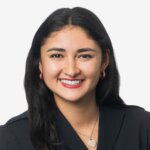
Isabella Mendoza
Ready to strengthen your leadership impact?
Explore programs designed to equip leaders with the skills to drive change.