
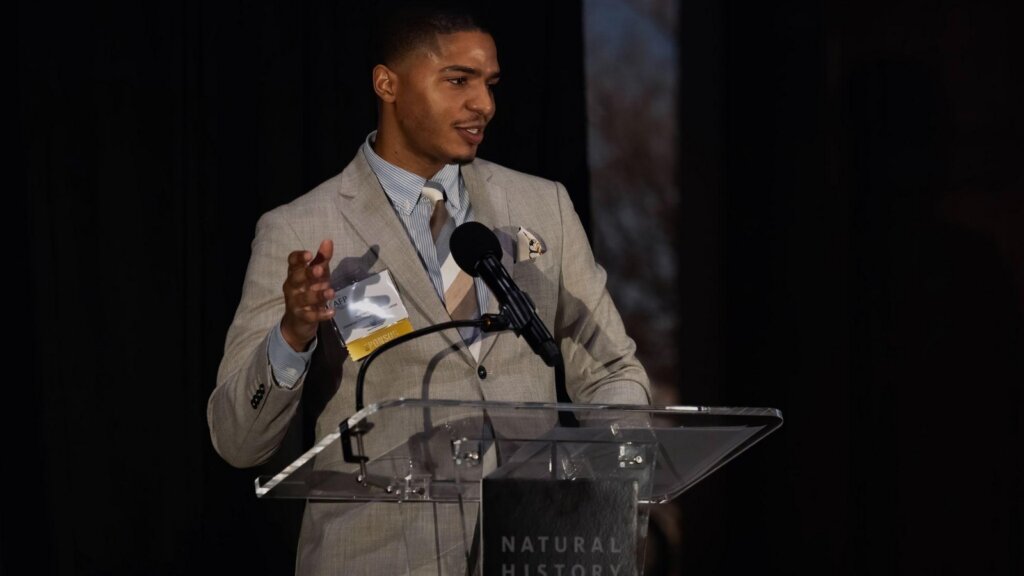
Warren has spent his career sitting at the intersection of health care and advocacy, but it took nine months in Coro California’s Lead LA Fellowship program to help see that connection itself is a leadership skill.
As Senior Manager of Development and Government Relations at Universal Community Health Center (UCHC), Warren raises funds and builds relationships that keep vital services open for nearly 15,000 patients in South Los Angeles.
Below, he reflects on the fellowship, the community he serves, and the leader he became along the way.
A seat at the table, not on the menu
The biggest problems in Los Angeles will not be solved by the smartest person in the room. They will be solved by the person who knows which rooms to build and who belongs in them together.
Start us off with where you are now — your role at University Community Health Center, and the part of the work that has you most energized these days. How would you describe the intersection between health and racial equity, the social determinants of health, and the impact UCHC’s services have on the community?
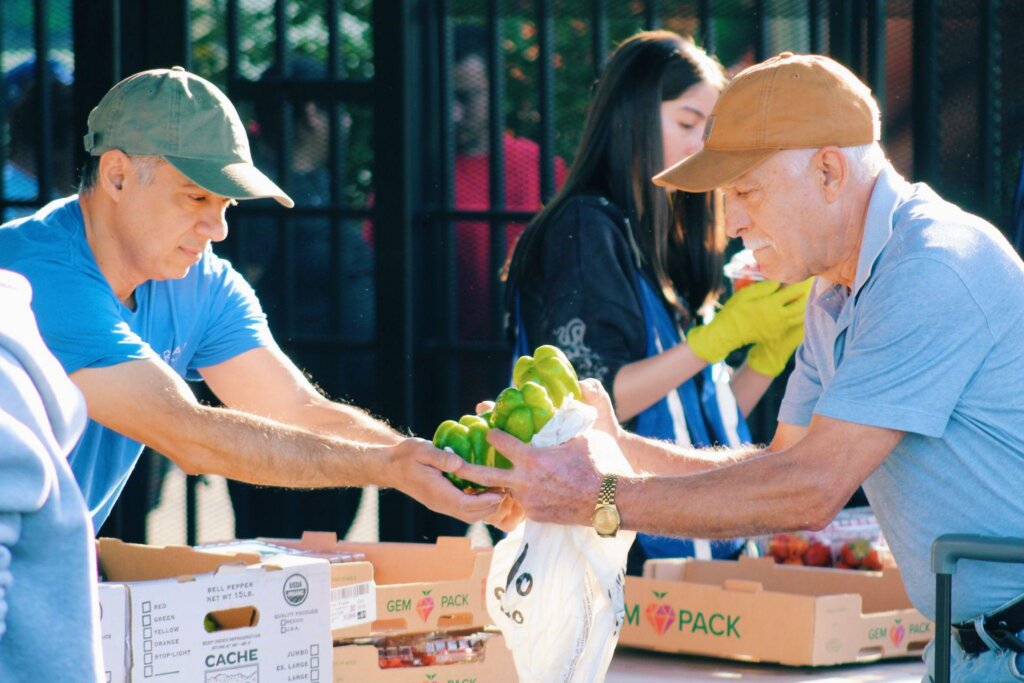
I serve as the Senior Manager of Development and Government Relations at Universal Community Health Center, a Federally Qualified Health Center in South Los Angeles. We provide primary care, dental, behavioral health, OBGYN, and enabling services to nearly 15,000 patients in one of the most underserved areas of the county, where a large share of residents live below 200% of the federal poverty guidelines.
The work that energizes me most right now is the health advocacy program I created at UCHC. It builds patient and staff knowledge of the policy changes happening now and on the horizon, and how those changes directly affect our patients, our community members, and our employees’ families, since many of our staff live in the communities we serve.
To me, the intersection of health and racial equity comes down to access. Our residents deserve high quality care, and they deserve a voice in the decisions that shape it. I always say that if you’re not at the table, you’re on the menu. We see it play out in California every budget cycle. When there’s a shortfall, health care for our most vulnerable communities is the first thing on the chopping block.
Building leadership development skills as a connector
Before Coro, how would you have described yourself as a leader — and what were you wrestling with?
Before Coro, I would have described myself as someone who leads when it’s appropriate, or when I have to. Plenty of people lead loudly and incorrectly right off a cliff. I did not want to be one of them. What I was really wrestling with was confidence. Not whether I knew my stuff, but whether I could lead when uncertainty was in the room, or when I was not the subject matter expert and still had to step up and guide the work.
I walked into Coro assuming it would shape us all into one type of leader. I figured civic problems that big must demand one specific style. I walked out convinced of the opposite. There is no single right way to lead. Some leaders are the loudest voices in the room. Others lead quietly from behind. Every one of them is necessary.
Back then, I sat somewhere in the middle, knowing what I knew but rarely pushing it. Coro gave me language for what I actually am. I am a connector. I lead by building genuine relationships and knowing exactly who in my network needs to be in the room together. I left with the conviction that connection is not a soft skill. It is how the biggest problems get solved.
How Coro’s leadership development programs reshaped his approach
I used to think of relationship building as the thing I did around the real work. Now I understand it is the work.
You joined the Lead LA program to “deepen your leadership practice, gain new tools, and continue showing up in a way that reflects the values you stand for.” What did you learn about the intersection of your values and your leadership practice?
I joined Lead LA saying I wanted to show up in a way that reflects my values. I learned that I had been treating my values and my leadership as two separate things. My values were personal. My leadership was professional. Coro collapsed that wall.
I grew up with limited access to healthcare, and that experience is why I do community health work today. But before this fellowship, I rarely led with that story. I let my technical skills speak for me and kept the personal part quiet, as if it did not belong in professional rooms.
Coro taught me the opposite. The story is the leadership. When I share why this work matters to me, people do not just follow the plan. They follow the purpose. I also learned that my core value, genuine connection with people, is not adjacent to my leadership practice. It is my leadership practice. I used to think of relationship building as the thing I did around the real work. Now I understand it is the work.
The biggest problems in Los Angeles will not be solved by the smartest person in the room. They will be solved by the person who knows which rooms to build and who belongs in them together. So the intersection of my values and my leadership is simple now. I lead as the full version of myself, the kid who sat in a community clinic waiting room and the professional who now raises money to keep those doors open. Coro did not give me new values. It gave me permission to lead from the ones I already had.
Tell us about the cohort. Is there a relationship or a single conversation with a peer that has stayed with you, or led somewhere you didn’t expect? Was there a specific connection you made that has led to something meaningful?
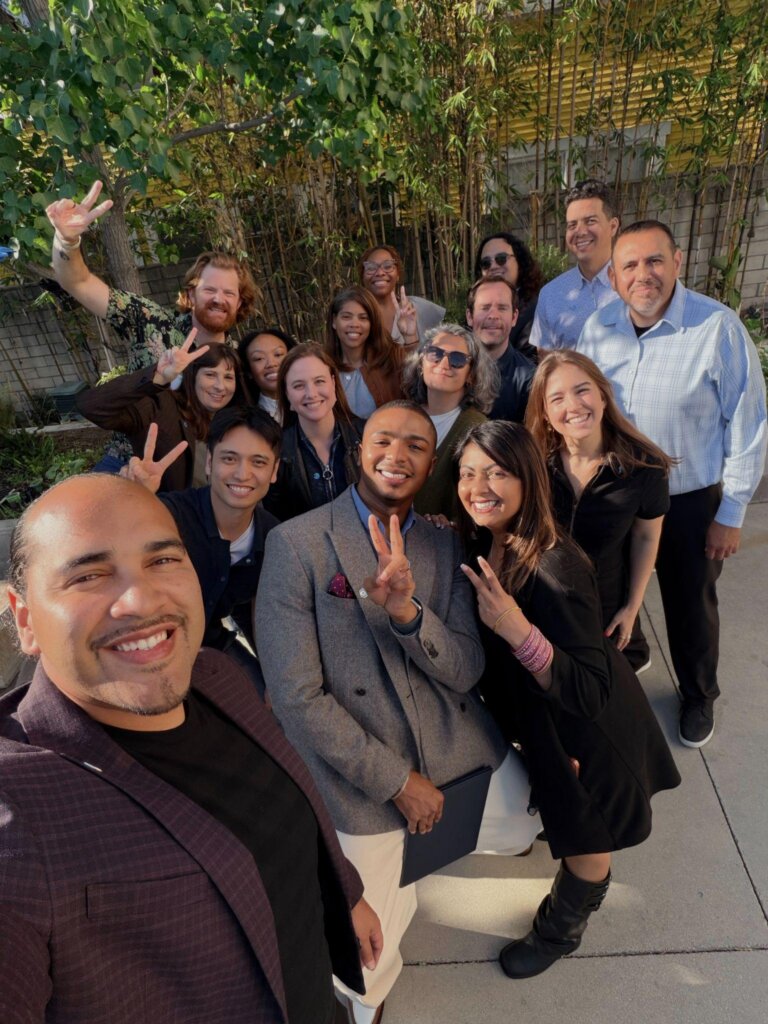
I was fortunate to land the cohort I did, and I credit some early advice for how I approached it. At one of the first Coro alum receptions, an alum told me the program is good and to take it seriously, but the real value is the people. He said fellows from his cohort treated the work like they would be graded at the end, and it put everyone on edge. Nobody made friends. So I decided to lead with connection first, and it gave me some of the best relationships to come out of this year.
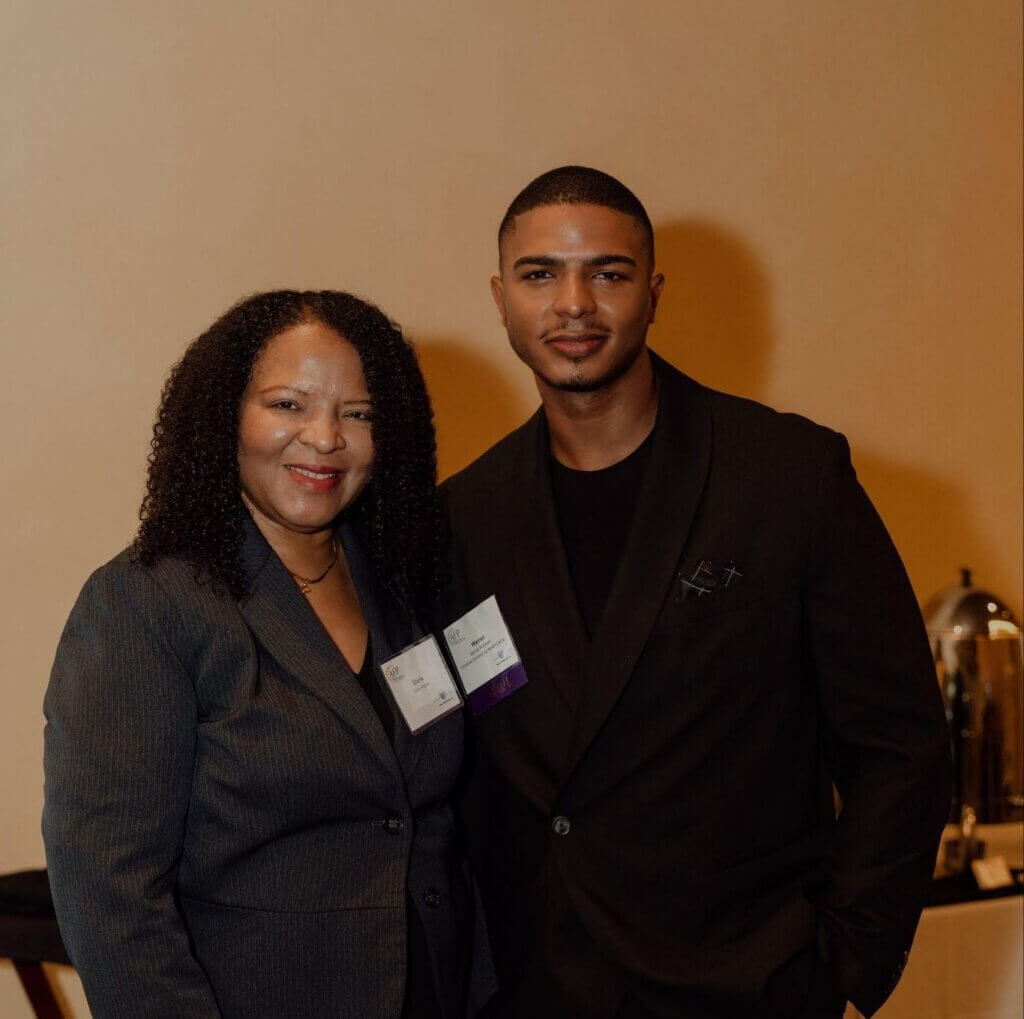
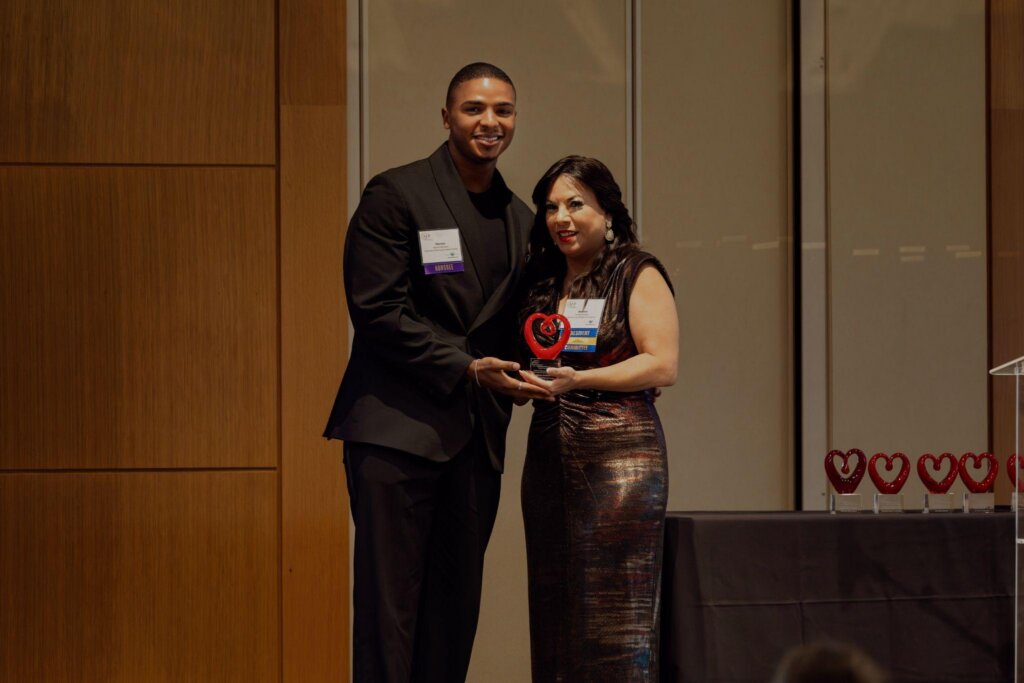
One fellow and I still surf together every month, even now that the program has ended. Another fellow works in fundraising like I do, and she joined me at AFP’s annual conference for professional fundraisers this year. It was her first one, so I spent the day introducing her around, including to the AFP Global president and his wife. That moment stuck with me. A year ago, we were strangers in a cohort room, and now I am opening my professional network to her the way others once opened theirs to me. That is what this fellowship builds when you let it.
What’s your vision for a stronger California, and what role do you see yourself playing in it?
My vision for a stronger California is one that is healthier and safer for our most vulnerable neighbors. No one should have to choose between a meal and their prescription. That decision is being made every day here in California, and I see it up close in South Los Angeles, where I lead development and government relations for a community health center. Our patients are seniors on fixed incomes, parents working two jobs, and kids who show up to school with untreated dental pain. Their stories are not statistics to me. They are the reason I do this work.
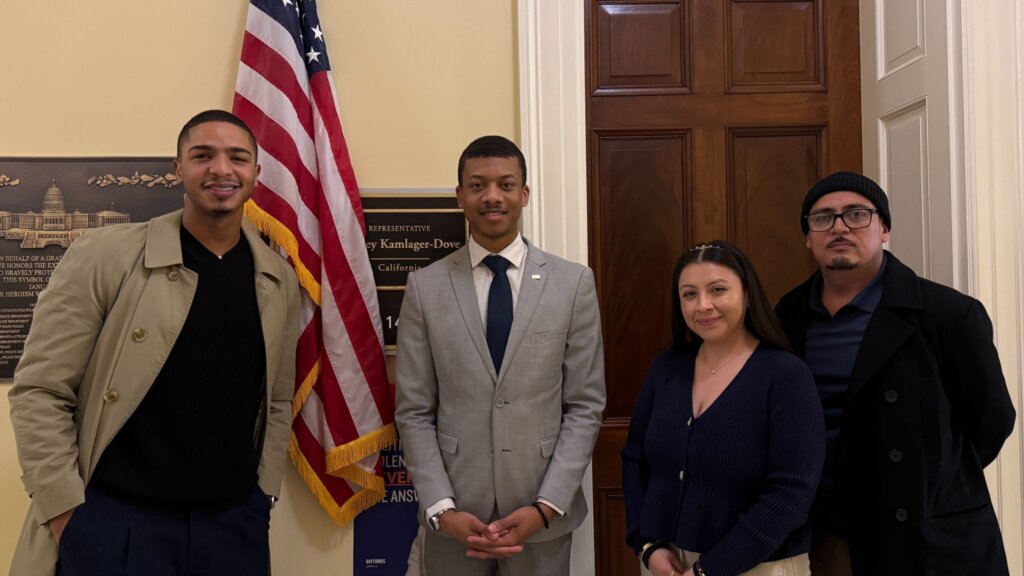
My role in that stronger California is advocacy. I carry patient stories into rooms where decisions get made, whether that is Sacramento or Washington DC, and I keep telling them until this is no longer anyone’s reality. I also see my role as a connector, bringing funders, policymakers, and community health leaders to the same table, because the biggest problems in this state will not be solved by any one sector alone.

For someone on the fence about a Lead Fellowship, what would you tell them — and who do you think this experience is really for? What do you wish you’d known going in?
For someone on the fence about a Lead Fellowship, I would tell them to go for it. This experience is for anyone who wants to take their leadership to the next level. It allowed those of us who had always been the decision makers to step back, listen, and learn from people with different and newer perspectives. And it allowed those of us who were newer to leadership, whether on a board, at an organization, or in a group, to find our footing and be encouraged to become the exact leaders we were always meant to be.
Going into it, I wish I’d known that the value would come from the cohort as much as the curriculum. The sessions were strong, but the real growth happened in the conversations between them, with people I never would have crossed paths with otherwise. I also wish I’d known to arrive with questions instead of answers. The fellows who got the most out of it were the ones willing to be uncertain out loud.
About the Lead Fellowship program
Coro California’s Lead Fellowships bring together professionals from different sectors, backgrounds, and leadership styles to strengthen their civic leadership development skills through hands-on projects, cross-sector dialogue, peer coaching, and engagement with regional leaders. This deepens their understanding of the systems shaping their local communities.
The fellowships are designed for leaders in the Bay Area and Los Angeles, at every stage, whether you’re stepping into leadership for the first time or learning to lead differently than you have before. Fellows leave with sharper tools, a deeper understanding of California’s civic landscape, and relationships that continue to shape their work for years to come.
Ready to build your own leadership development skills? Learn more about the Lead Fellowships or explore all of Coro California’s programs to find the right fit for where you are in your leadership journey.
Gohar Chichian
Ready to strengthen your leadership impact?
Explore programs designed to equip leaders with the skills to drive change.