
When you’re presented with a problem or a blank canvas, do what makes sense to you and do it well. You will be shocked at how effective being yourself really is.
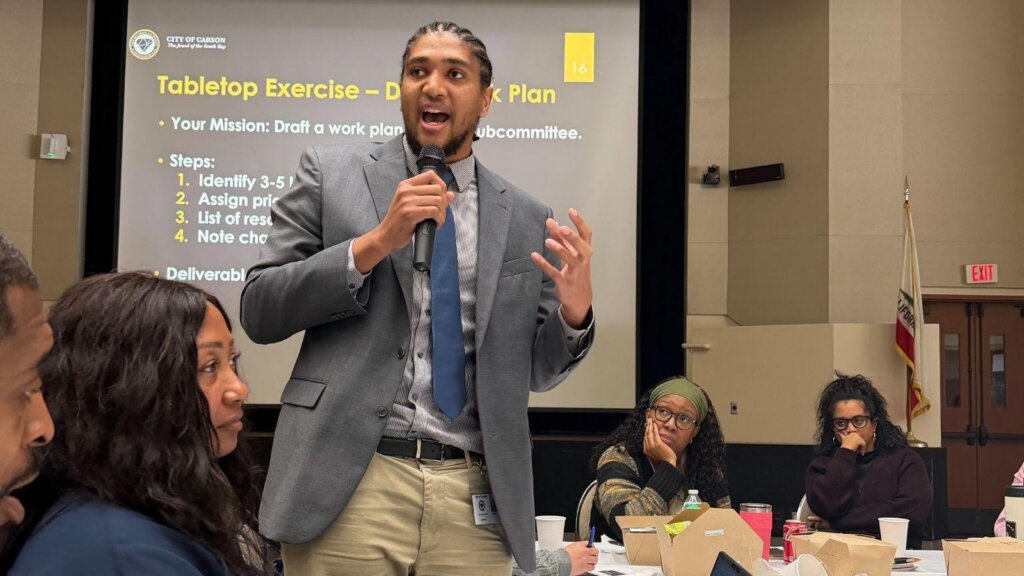
Michael Green II came to Coro California’s Fellows Program in Public Affairs looking for the skills to change the world — and left with something he didn’t expect: a renewed love of curiosity. In this Q&A, Michael reflects on his placement in the Carson city manager’s office, the mentors who reshaped his understanding of leadership, and what’s next as he returns to Our Generation Cares as Executive Director. His answers offer a candid, generous look at what nine months inside a public policy fellowship can teach you about yourself.
Take us back to the moment you decided to apply for the Fellows Program in Public Affairs. What were you searching for — in your career, your community, or yourself — and what did you hope the program would help you find?
I joined the Fellows Program in Public Affairs because I wanted to gain the skills I thought I needed to change the world. Having finished the program, I still have so far to go, but I gained the leadership and technical skills I hoped I would. More than any skill, Coro taught me the value of curiosity. It made me fall in love with learning again because that is the only real way to get things done.
Lessons in leadership from a public policy fellowship
What’s one assumption you held about leadership — or about a sector, community, or issue — that the Fellowship challenged or completely overturned?
One assumption that was slowly debunked over time was that titles matter. We talked to folks who led a lean and impactful team of five who made it seem like they were running the world and people who were responsible for thousands of lives who were as humble as could be. It taught me that a title means close to nothing. All that matters is how you treat other people and if you can achieve the outcomes you are looking for. That’s what success looks like to me now.
Tell us about a Coro connection you met through the program who played a key role in your personal or professional development. What did they offer you that you didn’t know you needed?
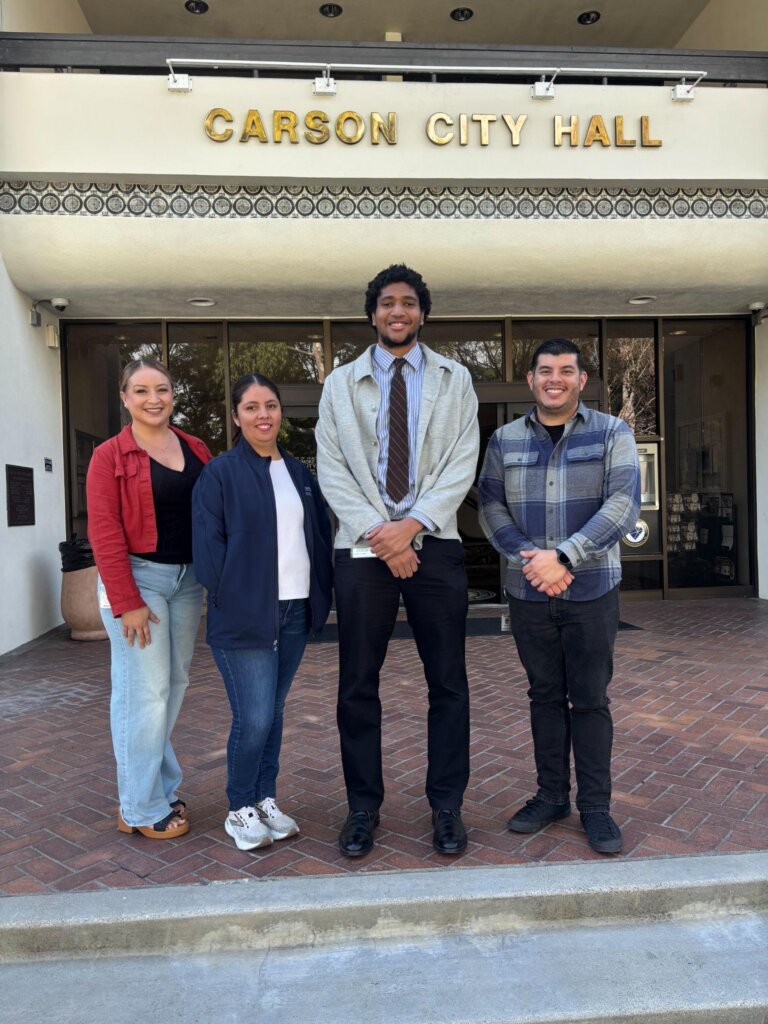
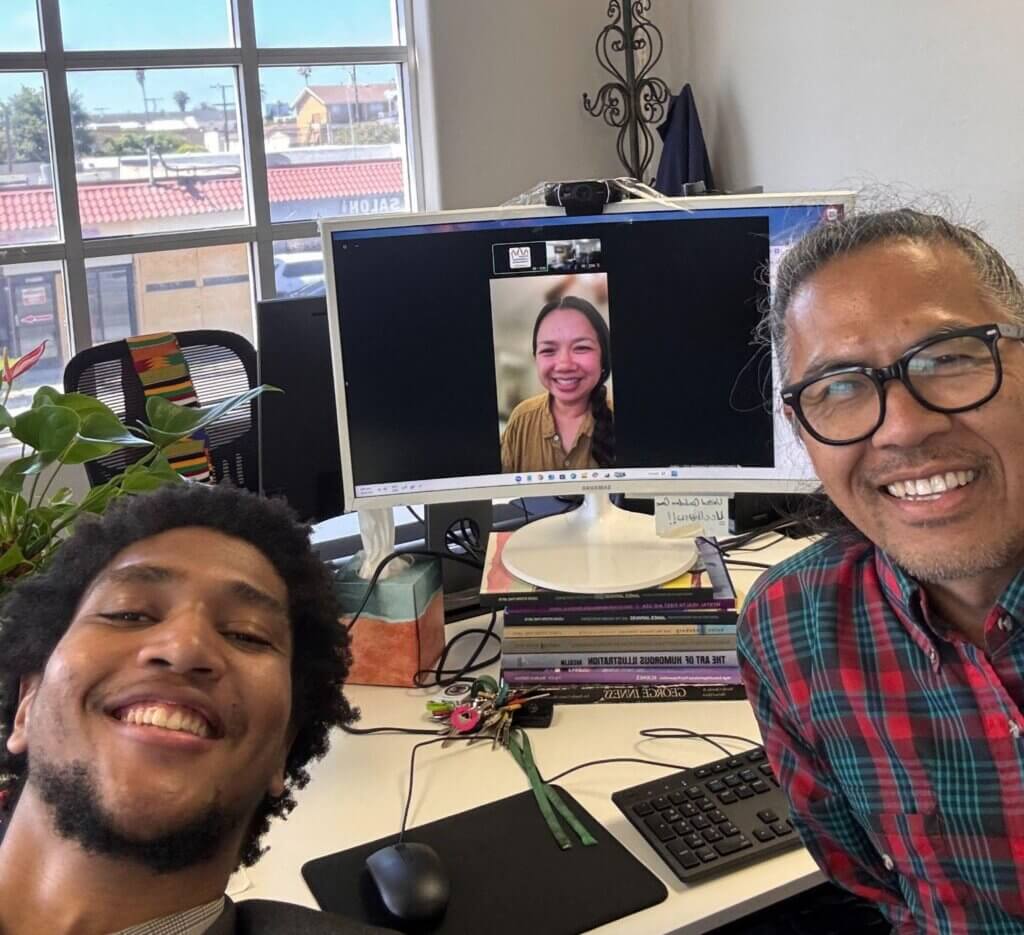
My Government Placement was in the City Manager’s office in the City of Carson. There I met a dynamic and efficient leader named Arminé Chaparyan. As a Deputy City Manager of a growing city, Arminé had dozens of problems to solve at any given moment, a family to take care of, and the challenge of being a woman in a male dominated field. She made accomplishing every task on her list seem absolutely effortless because she was incredibly organized, focused on the highest leverage tasks, and had direct conversations that got to the root of every issue without waiting for it to improve.
She was a manager in job title, but, if and when it was more efficient, she would simply take on the task herself and get it done right the first time. I learned a new level of focus and intention there that has served me well ever since.
Leadership can look like a lot of things — running a meeting, asking a hard question, translating between communities that don’t speak the same language. What does leadership look like for you now, and how has that definition evolved this year?
I used to see leadership as being in charge of people then deciding what to do with that responsibility. Coro taught me to flip that understanding. Leadership means taking ownership over problems, visions, and responsibilities and using whatever is at your disposal to get the job done.
I have learned, or perhaps relearned, that what starts as an idea or a pain point will remain just that until someone does something about it. Regardless of credit or recognition, those people are the ones who keep our world running. Those people are our leaders.
Public affairs often gets read as a pipeline to government or elected office. How would you describe what the Fellows Program actually prepares you for, based on where you and your cohort are headed next?
The Fellows Program in Public Affairs gives you the technical foundation you need to work in public affairs, politics, government affairs, and anything to do with policy and public decision making. More than the technical foundation, it gives you the skills to solve human problems. This is convenient because even in the age of AI, every organization is owned, operated, and regulated by humans that have problems and goals.
Coro teaches you how to analyze situations, get the information you need, and execute solutions faster and more comprehensively than others can. That’s invaluable.
Life after the public policy fellowship
What’s next for you — immediately after the program, and in the longer arc of the change you want to make? How has the Fellowship shaped the “why” behind that work, not just the “what”?
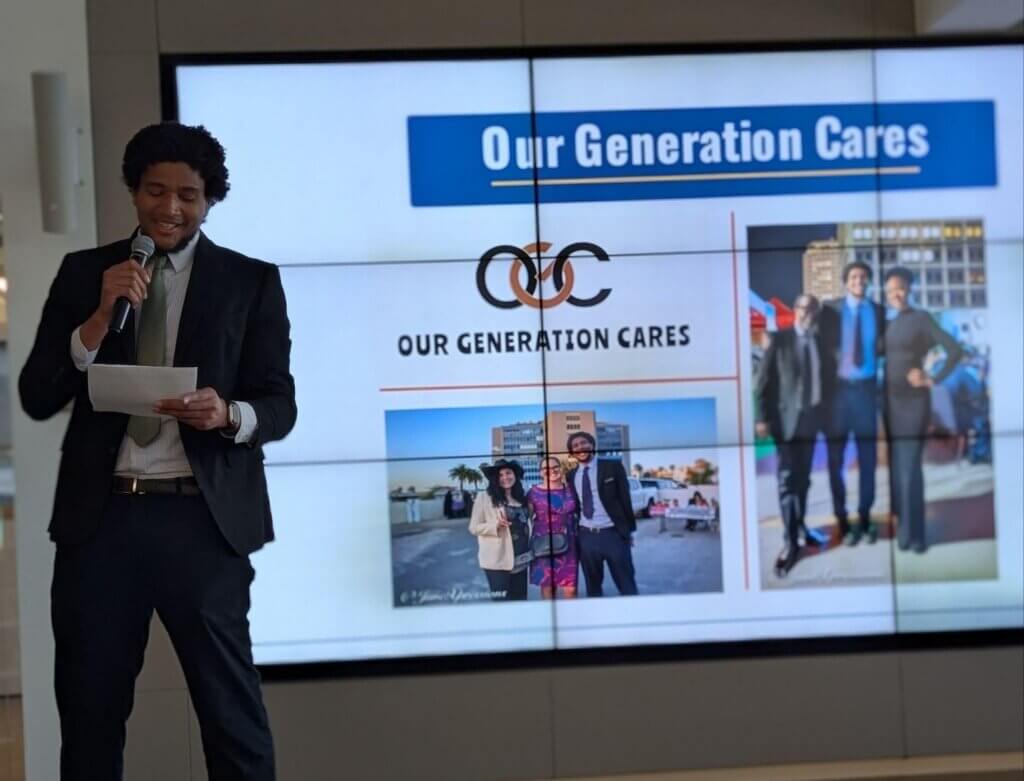
I have no intention of waiting to work towards my goals. Immediately after Coro, I will be rejoining my Non-profit Placement, Our Generation Cares, as the Executive Director to continue providing stability, resources, and opportunity to Southern LA County Youth not so much younger than myself to build the next generation of engaged citizens, leaders, and, hopefully, happy people that this country desperately needs.
I joined Coro because I wanted to gain the skills to make a positive difference in the world. This opportunity allows me to continue serving communities that deserve support, building my executive judgement and skillset, and building the connections I will need to open up opportunities for myself and others down the line. I have Coro to thank for that.
If you were sitting across from someone considering applying to the program — maybe someone from a background or sector underrepresented in civic leadership — what would you want them to know?
Use every single experience you’ve had in your life and turn it into value. Make it a framework, make it a speech, a social media post, reflect on it, use every drop of what makes you, you to be effective. This world is about making things happen, so don’t worry about figuring out the “right answers.” Most of the time they don’t exist.
Most of the time, no one comes up with an answer at all and things are just mediocre. So, when you’re presented with a problem or a blank canvas, do what makes sense to you and do it well. You will be shocked at how effective being yourself really is.
More than any skill, Coro taught me the value of curiosity. It made me fall in love with learning again because that is the only real way to get things done.
About Coro’s public policy fellowship
Coro California’s Fellows Program in Public Affairs is structured to do something most leadership programs only promise: place you at the center of the action. The fellowship is offered in Greater Los Angeles and the San Francisco Bay Area.
Its four pillars work in concert. Rotating professional placements give Fellows real responsibility across business, nonprofit, government, labor, and electoral politics. Focus Weeks turn pressing regional issues into hands-on study through site visits, expert interviews, and independent research. Leadership interviews open candid windows into how influential people actually navigate their work. And weekly seminars steadily assemble a practical leadership toolkit.
Tying it together is a series of individual and cohort-wide projects — including Spring Projects curated for partner organizations — that convert what Fellows learn into tangible results. With more than 80 years behind it, the program has produced leaders who leave with serious credentials, a portfolio of work, sharpened policy judgment, and entry into a 15,000+ Coro alumni network that includes United States Senators, elected officials, and changemakers nationwide. Learn more about applying.
Apply or nominate someone for Coro’s public policy fellowship
There is no cost to participate — the fellowship is fully funded — and need-based monthly stipends and health insurance allowances are available to support those who need them. Coro is searching for recent graduates and early-career professionals devoted to ethical leadership and to strengthening democracy through civic engagement.
The next cohort could be the start of something for you or for someone you know. Mark the dates: applications open in early September, and the deadline is mid-January. Don’t let the window pass.

Michael Green II
Ready to strengthen your leadership impact?
Explore programs designed to equip leaders with the skills to drive change.